
 Ronny Sianturi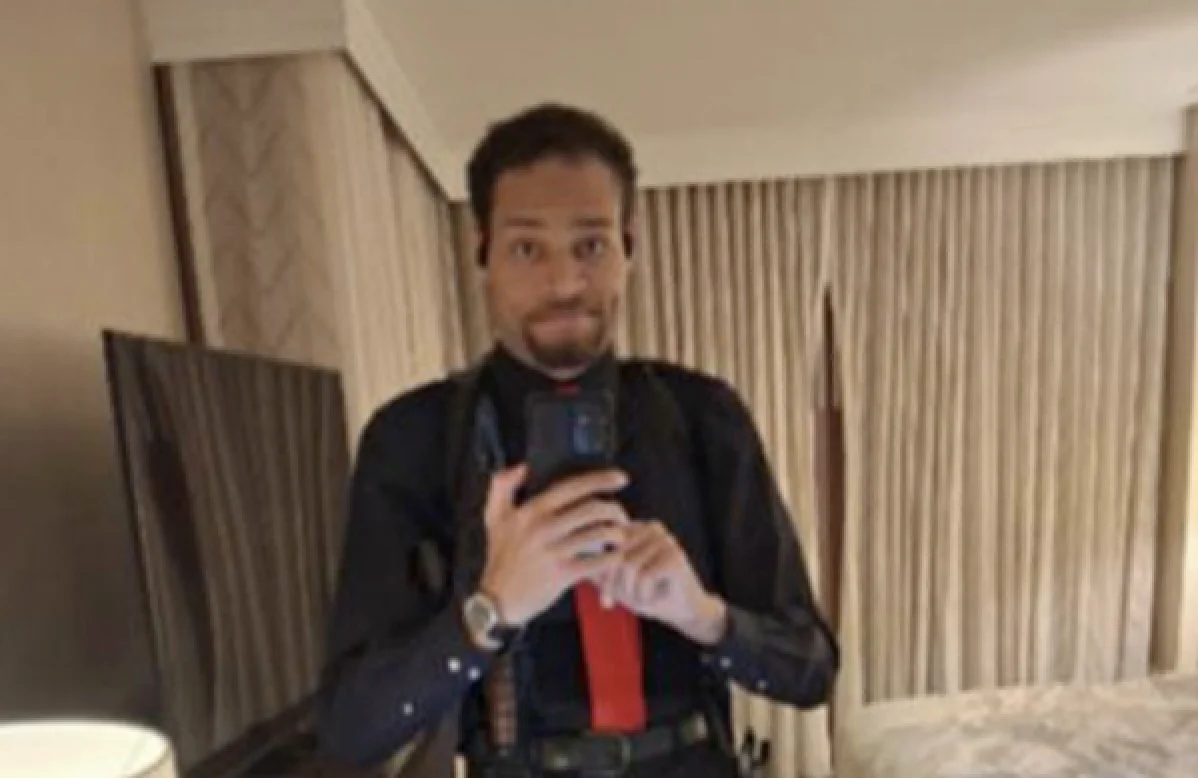
Alleged Assassination Attempt at Prestigious Washington Event
Cole Tomas Allen, a 31-year-old Cat Tech graduate, appeared before Federal District Court in Washington, visibly exhausted and restrained, to formally enter his plea. He faces four serious charges stemming from an alleged incident on April 25th, when he is accused of breaching security and firing shots while attempting to access the White House Correspondents’ Association dinner. The event, a prominent fixture in the nation’s capital, draws a significant number of high-ranking government officials, journalists, and political figures.
The charges leveled against Allen are severe, including attempting to assassinate the President of the United States, assaulting a federal officer with a deadly weapon, the interstate transportation of a firearm and ammunition with the intent to commit a felony, and discharging a firearm during a crime of violence. The most serious charge, attempting to assassinate the President, carries a potential sentence of life imprisonment.
Defense Challenges Prosecutorial Involvement
During his court appearance, Allen’s federal public defender, Eugene Ohm, lodged a formal request seeking the recusal of acting Attorney General Todd Blanche and U.S. Attorney Jeanine Pirro from the case. Ohm argued that their prior attendance at the White House Correspondents’ Dinner rendered their involvement as prosecutors "wholly inappropriate," citing the potential conflict of interest in them prosecuting a case where they might consider themselves victims. This legal maneuver highlights the high-profile nature of the event and the potential for perceived bias in the judicial proceedings.
A Planned Assault with Political Grievances
According to court documents and statements from the Department of Justice, Allen’s alleged plan was meticulously conceived. He is reported to have traveled from California to Washington D.C. with the express intention of attending the annual dinner at the Washington Hilton. The choice of venue is particularly noteworthy, as it is the same hotel where President Ronald Reagan was the victim of an assassination attempt by John Hinckley Jr. in 1981.
Allen reportedly booked a room on the 10th floor of the Hilton, from which he intended to breach security and enter the dinner. His alleged objective was to use a shotgun and pistol to kill as many Trump administration officials as possible, driven by political grievances. The Justice Department has indicated that evidence presented in court includes emails from Allen to friends detailing a hierarchy of administration officials he planned to target, as well as a lengthy manifesto sent to his family. In this manifesto, he reportedly referred to himself as a "Friendly Federal Assassin" and elaborated on his motivations.
Security Thwarts the Attack
Fortunately, Allen’s alleged assassination attempt was thwarted by the swift action of security personnel on the night of the dinner. He was apprehended before he could gain access to the main banquet hall. However, the Department of Justice stated that prior to his apprehension, Allen discharged his firearm, striking a Secret Service agent in their ballistic vest. The agent, a testament to the protective gear worn by law enforcement, survived the incident.
Security Concerns and Broader Political Ramifications
The incident has inevitably raised significant questions regarding the security protocols in place for such a high-profile event, particularly given the proximity of the alleged perpetrator to the attendees. The presence of the President and numerous high-ranking government officials at the dinner underscores the critical importance of robust security measures.
In the aftermath of the alleged assassination attempt, former President Donald Trump and many of his political allies and media supporters have amplified calls for the construction of a much-discussed ballroom at the White House. They argue that such a facility would offer a more secure environment for official events. However, this proposed construction project has faced significant hurdles, including a judicial decision that halted the plans due to a lack of Congressional approval. This development suggests a broader political debate is unfolding, intertwining national security concerns with domestic political agendas.
Background of the White House Correspondents’ Dinner
The White House Correspondents’ Association Dinner, often dubbed "nerd prom" or "Washington’s Super Bowl," is an annual event that typically takes place in late April. It serves as a significant gathering where members of the White House press corps, along with elected officials, members of the administration, and various prominent figures from the worlds of politics, media, and entertainment, come together. The dinner is traditionally marked by speeches from the President and a featured comedian, often characterized by lighthearted roasting of political figures, including the President himself.
Established in 1920, the dinner has evolved from a modest gathering into a major media event, often broadcast live and attracting significant media attention. Its primary purpose is to celebrate the role of a free press in a democracy and to raise funds for scholarships for aspiring journalists. However, in recent years, the event has also become a focal point for political commentary and has sometimes been a stage for presidential addresses on critical policy issues. The presence of a sitting president is a longstanding tradition, though not always guaranteed. In the case of the April 25th event, President Trump was in attendance, making the alleged assassination attempt particularly alarming given the security implications.
Timeline of Events
- Late April (prior to April 25th): Cole Tomas Allen allegedly plans his trip from California to Washington D.C., booking a room at the Washington Hilton and acquiring a shotgun and pistol for the intended attack. He reportedly emails friends and sends a manifesto to family detailing his intentions.
- April 25th, approximately 8:30 p.m. EDT: As the White House Correspondents’ Association Dinner is beginning at the Washington Hilton, Allen allegedly attempts to breach security.
- April 25th, during the security breach: Allen allegedly fires shots, striking a Secret Service agent in their ballistic vest. Security personnel intervene and apprehend Allen before he enters the main banquet hall.
- Following the incident: The Department of Justice initiates an investigation. Allen is taken into custody.
- Subsequent weeks: Investigations continue, and Allen is formally charged with four counts, including attempted assassination of the President. Media reports and political commentary emerge regarding the security of the event and broader political implications.
- Monday morning (date of article publication): Cole Tomas Allen makes his second appearance in Federal District Court in Washington D.C. for arraignment. He pleads not guilty to all four charges. His defense attorney files a motion to recuse specific prosecutors from the case.
Supporting Data and Contextual Information
The charges against Allen carry significant weight. Attempting to assassinate the President of the United States is a federal crime under 18 U.S. Code § 1751, punishable by imprisonment for any term of years or for life. Assaulting a federal officer with a deadly weapon, under 18 U.S. Code § 111, also carries substantial penalties, potentially including fines and imprisonment up to 20 years. The interstate transportation of firearms with intent to commit a felony falls under 18 U.S. Code § 922(a)(3), and discharging a firearm during a crime of violence is covered by 18 U.S. Code § 924(c), both of which can add considerable time to any sentence.
The fact that a Secret Service agent was struck by gunfire underscores the real and present danger posed by Allen’s alleged actions. The survival of the agent due to protective equipment highlights the importance of ongoing training and the effectiveness of tactical gear in mitigating harm to law enforcement personnel.
The historical parallel to the 1981 assassination attempt on President Reagan at the same hotel is a chilling reminder of the vulnerability of public figures, even with significant security measures in place. John Hinckley Jr.’s actions, driven by an obsession with actress Jodie Foster, resulted in severe injuries to the President and his press secretary, James Brady, and sparked widespread debate about mental health and gun control in the United States.
Broader Implications and Analysis
This alleged assassination attempt at a high-profile event like the White House Correspondents’ Dinner has several significant implications. Firstly, it raises immediate concerns about the security of presidential protection and the effectiveness of security protocols at public gatherings. The ease with which an individual allegedly managed to bring weapons and firearms into proximity with the event, despite security checks, will undoubtedly lead to a thorough review of existing procedures by the Secret Service and other relevant agencies.
Secondly, the incident is likely to further intensify the political polarization surrounding President Trump and his administration. His allies have already seized upon the event to advocate for increased security measures and to frame the narrative around the need for enhanced protection. This could translate into renewed political battles over funding for security initiatives and debates about the role of the White House in hosting public events.
Thirdly, the legal proceedings against Cole Tomas Allen will be closely watched. The outcome of his trial, including the resolution of the defense’s motion to recuse prosecutors, will set a precedent and reflect the justice system’s response to such a serious alleged offense. The evidence presented, including the alleged manifesto and communications, will offer a glimpse into the mindset of an individual accused of such a grave act.
Finally, the incident serves as a stark reminder of the persistent threats faced by public officials in the United States. It underscores the critical role of law enforcement and intelligence agencies in safeguarding national leaders and the importance of a vigilant and informed public. The intersection of political grievances and acts of violence remains a significant challenge for domestic security.








