Ferry Irwandi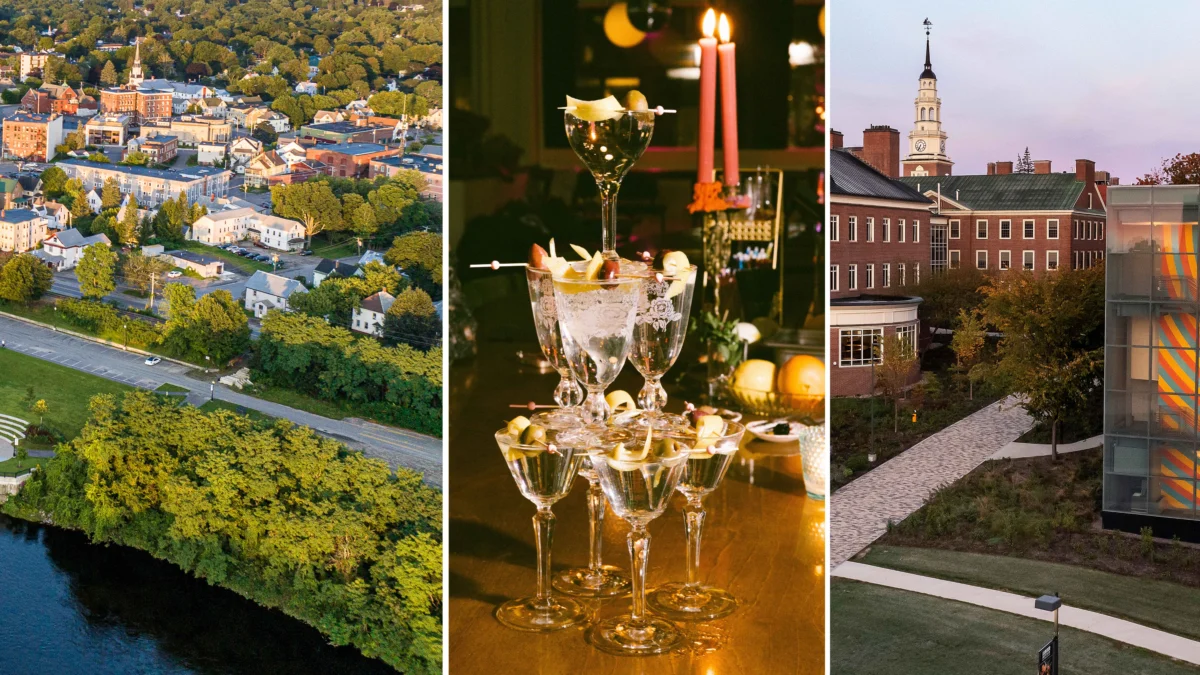
The state of Maine has long occupied a unique position in the American imagination, defined by a rugged coastline and a vast, untamed interior. However, a significant shift is occurring in how the state’s cultural and natural assets are being presented to the world. Beyond the seasonal congestion of its famous beach towns, a sophisticated "Mid-Maine Fine Arts Trail" has emerged, linking the state’s interior lakes and revitalized mill towns to the artistic hubs of the mid-coast. This corridor represents a deliberate synthesis of nature and the arts, offering a curated experience that avoids the "over-tourism" typical of mid-summer coastal destinations. By leveraging the resources of elite academic institutions, private foundations, and local conservation groups, Maine is redefining its identity as a year-round destination for high culture.
The Evolution of Maine’s Cultural Landscape
Maine’s relationship with the arts is not a modern invention but a continuation of a legacy that dates back to the 19th century. The state’s landscapes have served as a canvas for some of the most significant figures in American art history, including Winslow Homer, Edward Hopper, and the Wyeth family. Historically, these artistic movements were centered in seasonal colonies. Today, however, the infrastructure of the arts in Maine is becoming permanent and institutionalized.
The development of the Mid-Maine Fine Arts Trail is characterized by significant capital investment. In Waterville alone, the "arts ecosystem" has been fueled by tens of millions of dollars in philanthropic and institutional funding. This transition from a resource-based economy—once dominated by timber and textiles—to a knowledge- and culture-based economy is a strategic move to ensure the long-term viability of Maine’s inland communities.
A Chronology of the Trail: From Lake Kezar to the Atlantic
The trail follows a logical geographic progression, beginning in the west and moving toward the Atlantic, blending performing arts with visual masterpieces and historical conservation.

Lovell: The Intersection of Performance and Pristine Waters
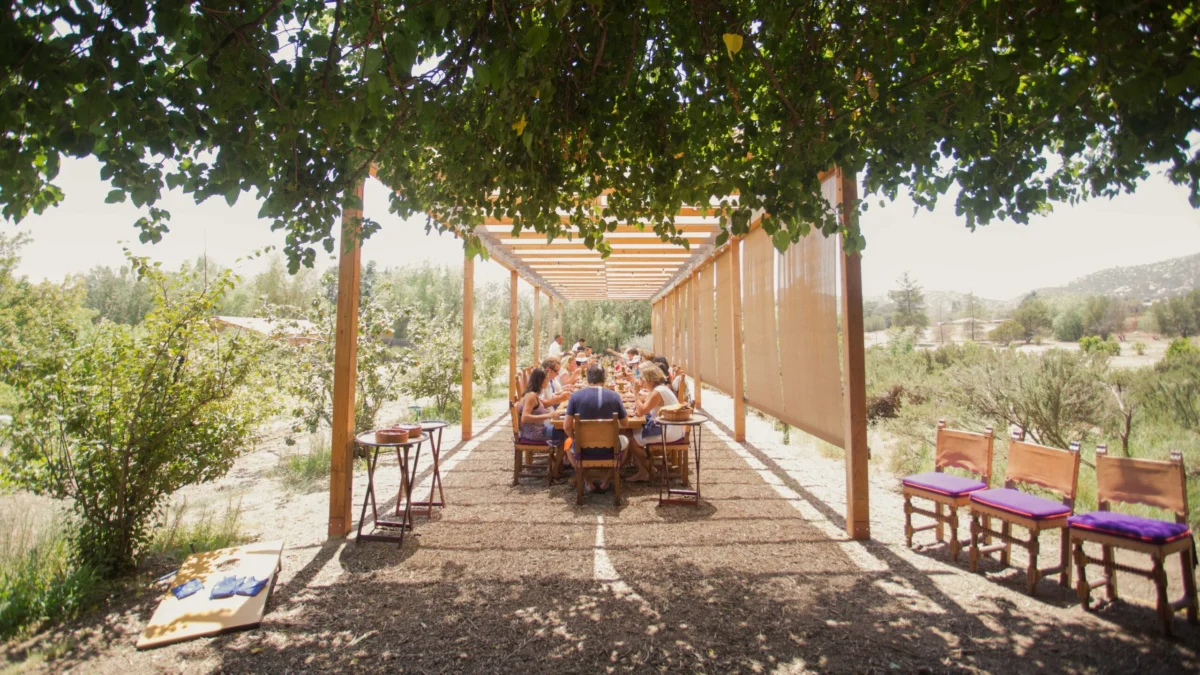
The journey begins in Lovell, where the Quisisana Resort on Lake Kezar serves as a unique model for the performing arts. Unlike traditional resorts, Quisisana functions as a performance-oriented camp where the staff is comprised of internationally recruited talent from the worlds of opera, Broadway, and classical music.
The resort’s recent addition of a modern performance venue allows for chamber music and piano concerts to be staged against the backdrop of the White Mountains. The programming for the current season reflects a sophisticated range, including productions of The Light in the Piazza and Nice Work If You Can Get It, alongside family-oriented performances such as The Pirates of Penzance. This model of "unplugged" luxury, where guests interact with performers who also serve as resort staff, represents a rare symbiosis of labor and art in a secluded natural setting.
Waterville: The Creation of an Urban Arts Ecosystem
Moving eastward, Waterville stands as the most prominent example of Maine’s cultural revitalization. Once a thriving mill town, Waterville has undergone a transformation spearheaded by Colby College. The college has invested heavily in the city’s downtown, moving beyond the confines of its campus to create what it terms an "arts ecosystem."
Central to this effort is the Paul J. Schupf Art Center, an $18-million complex designed to integrate visual arts, film, and theater. The center houses the Joan Dignam Schmaltz Gallery of Art and serves as the primary venue for the Maine International Film Festival. The presence of world-class performers—ranging from Elvis Costello to Bela Fleck—indicates the center’s ambition to compete with major metropolitan venues. Furthermore, the Greene Block + Studios provides a space for artists-in-residence to engage with the public through free lectures and exhibitions, ensuring that the "ecosystem" remains accessible to the local population.
Brunswick: Academic Excellence and Ancient Antiquities
Further south and east, the town of Brunswick serves as a bridge between the interior and the coast. The Bowdoin College Museum of Art is the anchor of this community. Its collection is remarkably deep for a regional institution, featuring Assyrian relief sculptures that are frequently compared to those in the British Museum.

The museum’s holdings also include works by Old Masters such as Rembrandt and Rubens, alongside pivotal American painters like Mary Cassatt. The presence of such a collection in a bucolic college town underscores the role of Maine’s academic institutions as stewards of global heritage. Brunswick’s development has mirrored this academic rigor, with the town’s dining and hospitality sectors evolving to cater to a more discerning, culturally motivated demographic.
Rockland and Cushing: The Epicenter of the Wyeth Legacy
The trail culminates in Rockland and the nearby village of Cushing, which together form the heart of Maine’s visual arts identity. The Farnsworth Art Museum in Rockland is dedicated specifically to Maine’s role in American art, housing a definitive collection of works by three generations of the Wyeth family: N.C., Andrew, and Jamie.
Adjacent to the Farnsworth is the Center for Maine Contemporary Art (CMCA). Designed by renowned architect Toshiko Mori, the glass-enclosed building is an architectural marvel intended to capture Maine’s famous natural light. The CMCA focuses on living artists with a connection to the state, providing a forward-looking counterpoint to the historical collections found elsewhere on the trail.
Conservation and Public Access: The Wyeth Foundation’s Strategic Donation
A pivotal moment in the trail’s recent history occurred in Cushing at the Olson Field Preserve. This 16-acre property was the setting for Andrew Wyeth’s 1948 masterpiece, Christina’s World, one of the most recognized American paintings of the 20th century. While the painting itself resides at the Museum of Modern Art in New York, the site that inspired it has been the subject of intense conservation efforts.
Recently, the Wyeth Foundation donated the Olson Field Preserve to the Georges River Land Trust. This move ensures that the land—including its shoreline access, tide pools, and active osprey nests—will remain open to the public for year-round recreation. The Land Trust has partnered with local artists, such as 2026 Maine Arts Commission Visual Arts Fellow Lihua Lei Farley, to host multifaceted performances on the grounds. This initiative represents a successful merger of land conservation and public arts programming, providing a blueprint for how historic artistic sites can serve modern communities.

Culinary Arts as an Extension of the Fine Arts Trail
The "Fine Arts Trail" is not limited to galleries and theaters; it extends into the region’s culinary landscape. In Waterville, the restaurant Front and Main acts as a cultural showcase, featuring Wabanaki basketry and woodwork reclaimed from the Penobscot River. The menu focuses on hyper-local ingredients, such as buckwheat from Maine Grains in nearby Skowhegan, framing Maine’s agricultural heritage as a form of culinary art.
In Rockland, the restaurant Primo, led by multi-James Beard Award-winning chef Melissa Kelly, operates on a "full-circle" farm-to-table philosophy. The restaurant is surrounded by its own farmland, emphasizing the connection between the land and the plate. Similarly, in Brunswick, establishments like The Abbey and Ritual Bakehouse & Patisserie offer meticulously crafted food that mirrors the precision of the visual arts found in the nearby Bowdoin Museum.
Strategic Hospitality: Integrating Art into the Guest Experience
The hospitality sector along the trail has also embraced this artistic mission. The Lockwood Hotel in Waterville, owned by Colby College, features a curated art collection that highlights the work of local artisans and Maine granite. In Brunswick, the newly renovated Brunswick Hotel displays original paintings by Maine artists like Sam Chappell, whose work focuses on the state’s coastlines and inland trails.
In Rockland, the 250 Main Hotel uses reclaimed and vintage decor to create a modern aesthetic that reflects the city’s industrial and maritime history. These hotels do not merely provide lodging; they function as extensions of the galleries themselves, offering guests a continuous cultural narrative from the moment they check in.
Broader Economic Implications and Future Outlook
The formalization of the Mid-Maine Fine Arts Trail has significant implications for the state’s economy. According to data from the National Endowment for the Arts, the creative economy contributes billions to Maine’s GDP and supports tens of thousands of jobs. By branding these disparate locations as a unified "trail," stakeholders are encouraging longer stays and higher per-visitor spending.

Moreover, this movement addresses the challenge of seasonal volatility. While the beach towns of the mid-coast struggle with capacity in July and August, the Fine Arts Trail is designed to be particularly accessible in the spring and fall—the "shoulder seasons." This timing aligns with the academic calendars of Colby and Bowdoin and the seasonal shifts in Maine’s natural landscape, such as the spring thaw and the autumn foliage.
The success of the trail also highlights the importance of public-private partnerships. The collaboration between the Wyeth Foundation, the Georges River Land Trust, and academic institutions demonstrates a sophisticated approach to cultural tourism. By focusing on conservation, education, and high-quality performance, Maine is positioning itself as a leader in the national trend of "intentional travel," where visitors seek out experiences that are both intellectually stimulating and environmentally responsible.
In conclusion, the Mid-Maine Fine Arts Trail represents a masterclass in regional branding and cultural preservation. It proves that the "true glories" of Maine are found not just in its physical beauty, but in the enduring masterpieces that beauty has inspired. As the state continues to invest in its "arts ecosystem," the trail is likely to become a permanent fixture of the American cultural landscape, offering a serene and sophisticated alternative to the traditional summer vacation.