Ronny Sianturi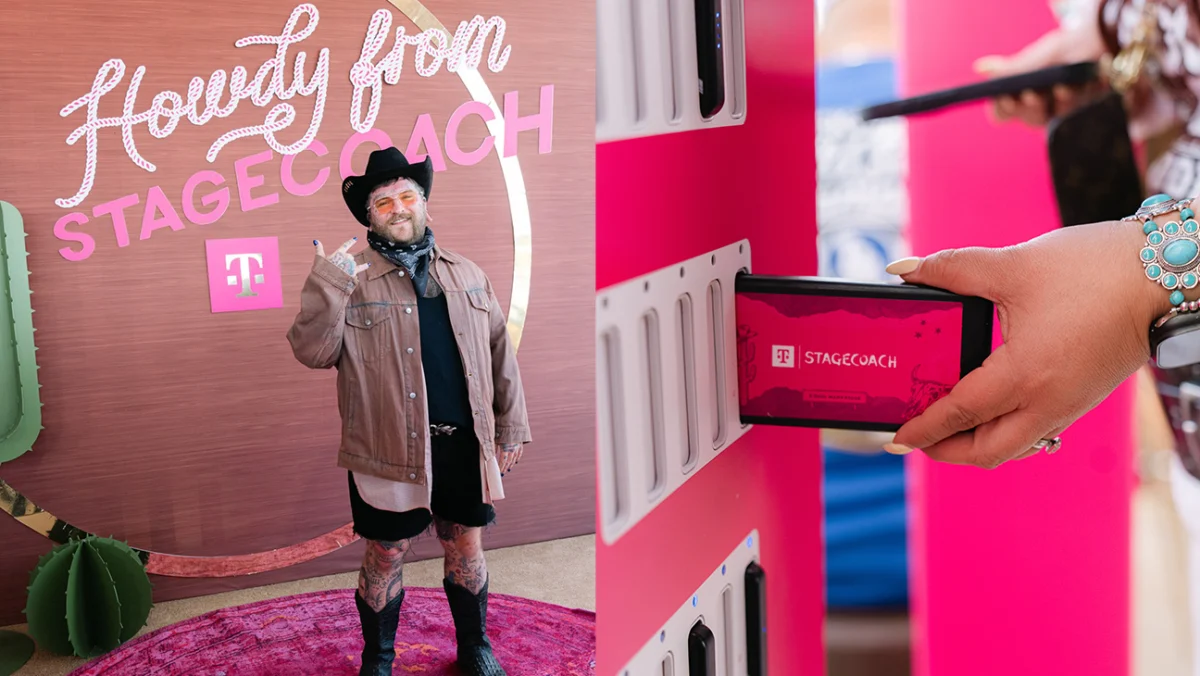
In a bold strategic move to capture and retain customers within the fiercely competitive telecommunications landscape, T-Mobile has redefined its approach by extending its brand presence beyond traditional mobile services and into the vibrant world of live entertainment and sports. This innovative strategy, centered around the exclusive "Club Magenta" lounges, offers T-Mobile subscribers a premium, VIP-like experience at some of the nation’s most sought-after events, effectively transforming customer loyalty into a tangible, real-world benefit.
The initiative, launched in February 2024, is a cornerstone of T-Mobile’s "Magenta Status" loyalty program. This program, which is free for all T-Mobile customers, aims to cultivate a deeper connection with its user base by providing exclusive access and perks that go far beyond standard mobile plan offerings. Club Magenta serves as the physical embodiment of this commitment, creating dedicated, invitation-only spaces designed to offer a sanctuary of comfort and enhanced enjoyment for T-Mobile patrons amidst the bustling energy of major events.
The Genesis and Evolution of Club Magenta
The concept of Club Magenta emerged as T-Mobile sought to differentiate itself in an industry often characterized by price wars and incremental service upgrades. Recognizing that customer engagement could be significantly amplified through experiential marketing, the company began establishing a physical footprint at large-scale gatherings. This began with high-profile music festivals, such as Lollapalooza and Austin City Limits, and expanded to include major sporting spectacles like the Las Vegas Grand Prix, the PGA Championship, and the MLB All-Star Week. The recent presence at the Stagecoach festival further underscores the breadth of this experiential strategy.
The evolution of Club Magenta has been marked by a consistent focus on delivering value and exclusivity. Initially conceived as a comfortable respite, the lounges have progressively incorporated more sophisticated amenities and unique activations. The core offering remains a private, air-conditioned space that provides a stark contrast to the often crowded and weather-dependent conditions of outdoor festivals and sporting venues. Within these havens, T-Mobile customers can enjoy premium views of the action, access to a private bar with exclusive discounts, and complimentary amenities designed for comfort and convenience.
A Deeper Dive into Club Magenta’s Offerings
The appeal of Club Magenta extends beyond mere physical comfort; it is intricately woven into the fabric of the event experience itself. Members gain access to a curated selection of exclusive activations that are designed to create memorable moments and reinforce their connection with the T-Mobile brand. These include opportunities for artist meet-and-greets, personalized gifting stations, dedicated photo opportunities that encourage social sharing, and themed events that align with the spirit of the host venue or festival.

A prime example of this experiential approach was witnessed at Stagecoach. T-Mobile hosted a "Teddy Swims Takeover" within Club Magenta, featuring a unique "Teddy’s Tattoo Shop." Here, airbrush artists recreated the singer’s signature tattoos on enthusiastic fans, offering a playful and interactive way to connect with the artist and the brand. The festival weekend also saw a custom cowboy hat station, where Club Magenta members could personalize their own hats with a variety of embellishments, further enhancing their festival attire and creating a unique memento. Such activations are meticulously planned to resonate with the specific audience and theme of each event, ensuring relevance and engagement.
Beyond the immediate event-day perks, Club Magenta membership also unlocks valuable pre-event benefits. This includes access to T-Mobile Tickets, an exclusive online platform where customers can purchase discounted tickets and secure special seating arrangements for various events. This integrated approach to event access, from planning and purchasing to on-site enjoyment, creates a seamless and highly desirable experience for T-Mobile customers.
Strategic Expansion and Future Outlook
T-Mobile’s strategic deployment of Club Magenta is not confined to a select few events; the company has demonstrated a commitment to broad reach. Following its successful activation at Stagecoach, Club Magenta was slated to appear at the PGA Championship at Aronimink Golf Club near Philadelphia, and subsequently at Lollapalooza in Chicago. The company’s footprint has also extended to other significant cultural and sporting landmarks, including Austin City Limits, BottleRock, Summerfest, MLB All-Star Week, and the SEC Football Championship. This widespread presence indicates a deliberate effort to embed the T-Mobile brand within the fabric of American entertainment and sports culture.
The underlying strategy appears to be a multi-faceted approach to customer acquisition and retention. By offering tangible, high-value perks at events that resonate with a broad demographic, T-Mobile incentivizes potential customers to switch carriers. For existing customers, these benefits serve as powerful motivators to remain loyal, especially in an environment where switching costs can sometimes be perceived as high. The "Club Magenta Pass," available exclusively to T-Mobile plan holders, acts as a gatekeeper to these exclusive experiences, reinforcing the value proposition of their mobile service.
Data-Driven Engagement and Competitive Analysis
While specific data on the direct impact of Club Magenta on customer acquisition and churn rates has not been publicly disclosed by T-Mobile, the carrier’s consistent growth in market share over the past several years suggests the efficacy of its customer-centric strategies. Industry analysts point to T-Mobile’s aggressive expansion of its 5G network and its innovative marketing initiatives as key drivers of its success. The Club Magenta program can be viewed as an extension of this forward-thinking philosophy, leveraging experiential marketing to build brand equity and foster deeper customer relationships.
In the competitive landscape, where carriers like Verizon and AT&T are also vying for consumer attention, T-Mobile’s focus on creating unique, tangible benefits sets it apart. While competitors may offer various promotions and discounts, the consistent presence and premium nature of Club Magenta provide a recurring and highly visible demonstration of T-Mobile’s commitment to its customers. This approach shifts the focus from purely transactional relationships to one based on shared experiences and perceived value.

The success of this strategy is also rooted in its ability to generate organic buzz and social media engagement. Attendees at these events often share their experiences at Club Magenta, creating a powerful form of word-of-mouth marketing that can reach a wider audience than traditional advertising campaigns. The visually appealing nature of the lounges and the unique activations lend themselves well to social media sharing, further amplifying T-Mobile’s brand visibility.
Broader Implications for the Telecommunications Industry
The Club Magenta initiative represents a significant trend in how major corporations are seeking to connect with consumers. In an era where consumers are increasingly seeking authentic experiences and brands that align with their lifestyles, T-Mobile’s strategy of integrating its brand into the cultural zeitgeist of popular events is particularly resonant. This approach moves beyond simply providing a service to becoming an integral part of the customer’s overall enjoyment and lifestyle.
The implications for the broader telecommunications industry are noteworthy. As the market becomes increasingly saturated with similar service offerings, differentiation through customer experience and loyalty programs will likely become even more critical. T-Mobile’s success with Club Magenta may prompt other carriers to explore similar experiential marketing strategies, potentially leading to a more engagement-focused competitive environment.
Furthermore, the program highlights the growing importance of partnerships between telecommunications companies and major event organizers. These collaborations create a symbiotic relationship where T-Mobile gains access to a highly targeted audience, while event organizers benefit from the enhanced experience and amenities provided to attendees. This model of partnership is likely to become more prevalent as companies seek innovative ways to reach and engage consumers.
In conclusion, T-Mobile’s Club Magenta program is a testament to the company’s innovative spirit and its deep understanding of customer engagement in the modern era. By transforming its mobile service into a gateway for exclusive live event experiences, T-Mobile is not just attracting and retaining customers; it is actively enhancing their lives and building a stronger, more resonant brand in the process. The continued expansion and evolution of Club Magenta suggest that this experiential marketing strategy will remain a key pillar of T-Mobile’s customer-centric approach for the foreseeable future.