Ronny Sianturi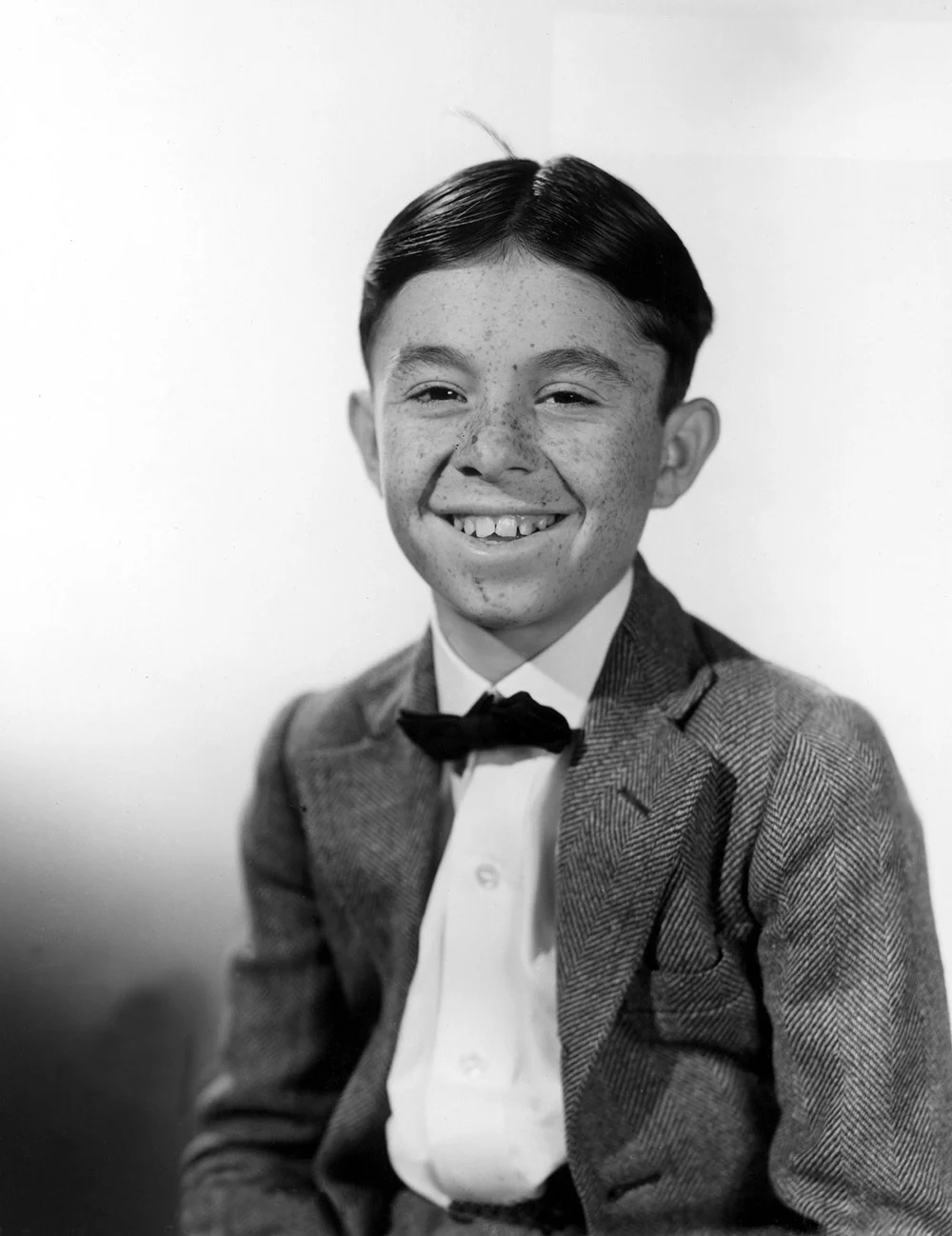
The unsealed documents pertaining to the late financier Jeffrey Epstein have unveiled a trove of unsettling details, but among the darker revelations, a peculiar and recurring theme has emerged: a notable fixation with the beloved children’s comedy troupe, The Little Rascals. This unexpected thread, woven through the labyrinthine files, offers a disquieting glimpse into the private lexicon of a man whose life and alleged crimes continue to reverberate through society. The connection first garnered significant public attention in July 2019, mere weeks before Epstein’s death, when a handwritten note, purportedly penned by him while in custody at the Metropolitan Correctional Center in Manhattan, was unsealed by a federal judge.
The note, discovered following a suspected suicide attempt, concluded with a poignant and seemingly out-of-place phrase: "Whatcha want me to do – Bust out cryin!!" This specific line has been definitively traced to a 1931 Our Gang short film titled Little Daddy. In that classic episode, the character Stymie delivers the memorable dialogue upon learning that he and a close friend are about to be forcibly separated, a moment of childhood distress and impending loss. The visual and auditory evidence of this exchange can be accessed via a publicly available link, highlighting the direct origin of Epstein’s chosen words.
This was not an isolated instance of Epstein employing this particular phrase. Earlier releases of documents, made public under the Epstein Files Transparency Act, revealed that Epstein had utilized the identical expression in at least three prior email communications. These included exchanges with his brother in 2016 and with a childhood friend in 2017, demonstrating a consistent, albeit cryptic, pattern of communication. The presence of this recurring phrase in his private correspondence, particularly in the context of his legal entanglements, lent a layer of unsettling familiarity to the final note.

An Earlier, Stranger Obsession: The Alfalfa Connection
However, a deeper dive into the vast collection of unsealed files uncovers an even earlier and arguably more peculiar manifestation of Epstein’s engagement with The Little Rascals. In a communication dated December 2, 2014, an email was sent to Joi Ito, who at the time served as the director of the MIT Media Lab. Ito would later resign from his position in 2019, following widespread revelations concerning the extent of his financial ties to Epstein. In this particular email exchange, Epstein was responding to a photograph that Ito had evidently sent him.
Intriguingly, Ito’s initial message indicated he had already corrected himself regarding a misidentification of a character in the photograph. He wrote, "Wait, what was I thinking? This is Alfalfa, not Squiggy." Ito’s intended reference was to Alfalfa, the iconic, cowlick-sporting character from The Little Rascals shorts, famously portrayed by Carl Dean Switzer. He had mistakenly initially referenced Andrew "Squiggy" Squiggman, a character brought to life by David Lander in the popular television sitcom Laverne & Shirley. Ito’s follow-up observation, "Even older, but I guess it dates me that I remember Little Rascals," underscored the nostalgic and perhaps slightly self-deprecating nature of his comment.
Epstein’s reply, however, did not engage with the flattering implications of being compared to Alfalfa or address whether he found the comparison agreeable. Instead, his response pivoted to a different, rather esoteric question: "is there a Japanese symbol that when pronounced =AO sounds like AL-fa=fa," he inquired, seemingly seeking a way to translate his perceived new nickname, "Alfalfa," into Japanese characters for Ito’s benefit. This indicates a level of engagement that went beyond a casual remark, suggesting an active interest in how this persona might be represented or understood through a different linguistic and cultural lens.
The Alfalfa Nickname and its Roots
In a subsequent, separate message, Epstein provided Ito with a direct link to an image of Carl Dean Switzer on IMDb. The link pointed to image 55 of 82 on the actor’s page, featuring a black-and-white publicity still captured around 1935. The photograph depicted the young Switzer grinning broadly, clad in suspenders, with his signature cowlick defiantly curling upwards towards the sky. Epstein’s accompanying message to Ito was a simple, yet loaded, question: "any resemblance?"

This exchange, viewed in isolation, might appear as a trivial piece of banter, the kind of lighthearted joshing that often occurs between individuals who consider themselves friends. It could be dismissed as a fleeting moment of shared humor, perhaps referencing a perceived physical likeness or a shared appreciation for classic entertainment. The casual nature of the comparison, coupled with Ito’s self-aware comment about his own age and memory, suggests a relaxed and informal dynamic between the two men.
However, when placed within the broader context of the Epstein files and the circumstances surrounding his death, this seemingly innocuous exchange takes on a more significant and unsettling dimension. It moves beyond a simple anecdote to become a data point, strongly suggesting that Epstein’s invocation of The Little Rascals in his final note was not a random, incidental occurrence. Instead, it points to a genuine, recurring, and deeply ingrained element of his private vocabulary and self-perception. This recurring theme indicates that his affinity for the Our Gang series, and specifically for the character of Alfalfa, had been a consistent fixture in his personal communications for several years.
Implications and Analysis
The repeated use of The Little Rascals references, particularly the Alfalfa nickname and the "Bust out cryin’" quote, raises profound questions about Epstein’s state of mind and his communication strategies. While the exact nature of his psychological state remains a subject for forensic analysis, the evidence strongly suggests a deliberate choice to employ these familiar phrases.
Timeline of Little Rascals References:

- December 2, 2014: Epstein emails Joi Ito, responding to a photo and discussing a potential Japanese translation for "Alfalfa," questioning the resemblance to Carl Dean Switzer. He sends a link to Switzer’s IMDb photo.
- 2016: Epstein emails his brother, using the phrase "Whatcha want me to do – Bust out cryin’!!"
- 2017: Epstein emails a childhood friend, again using the phrase "Whatcha want me to do – Bust out cryin’!!"
- July 2019: Approximately three weeks before his death, Epstein writes a handwritten note in jail that concludes with the phrase "Whatcha want me to do – Bust out cryin’!!", a quote from the 1931 Our Gang short Little Daddy.
The implications of this recurring motif are multifaceted. Firstly, it provides a concrete chronological record of Epstein’s engagement with this specific cultural touchstone. This timeline helps to establish the depth and longevity of this peculiar fixation, moving it from a singular event to a persistent pattern.
Secondly, the use of these phrases in different contexts – a lighthearted exchange with a friend, a communication with his brother, and a final note from a prison cell – suggests a deliberate application of language that held personal meaning for him. Whether this meaning was intended to be understood by others, or was purely for his own internal reference, remains a subject of speculation. However, the consistency of the "Bust out cryin’" quote in different communications suggests it was a phrase he felt represented a particular emotional state or reaction.
The question of whether this recurring reference makes the final note more or less likely to be authentic is one that forensic analysts will ultimately need to address. The presence of a consistent private vocabulary, demonstrated through these Little Rascals connections, could be interpreted as evidence supporting the authenticity of the note, as it aligns with his established communication patterns. Conversely, the seemingly whimsical nature of the references in the context of a suicide note could also be a point of scrutiny.
What is undeniably established, however, is that Jeffrey Epstein was, for an extended period, a fan of The Little Rascals. Furthermore, the evidence strongly suggests that he may have, in his own mind, identified with or adopted the persona of Alfalfa. This personal connection to a seemingly innocent and nostalgic element of popular culture, juxtaposed against the gravity of his alleged crimes and his eventual demise, adds another layer of enigma to the complex and disturbing legacy of Jeffrey Epstein. The unsealed files continue to offer these unexpected glimpses into the private world of a man whose public actions left an indelible mark of pain and controversy. The Little Rascals connection, while seemingly trivial, serves as a stark reminder that even in the darkest narratives, there can be moments of peculiar, and perhaps deeply unsettling, human idiosyncrasy.