Ana Megawati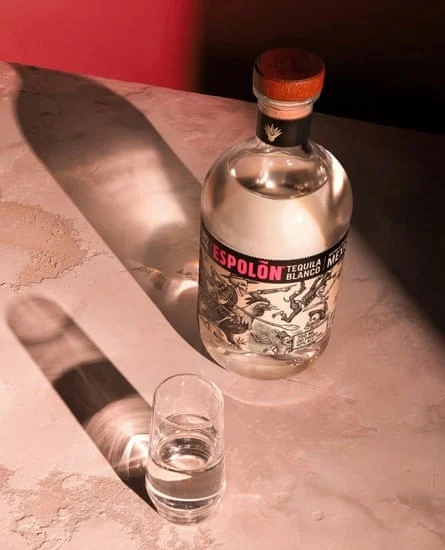
The world of tequila, once stereotyped as a party shot, has undergone a profound transformation, evolving into a sophisticated spirit cherished by connoisseurs and casual drinkers alike. For those seeking to navigate this rich landscape, identifying high-quality tequila requires a discerning eye, starting with key indicators found directly on the bottle’s label. These clues are not mere marketing ploys but vital seals of authenticity and craftsmanship, guaranteeing a superior drinking experience.

The Bedrock of Authenticity: Understanding the NOM Designation
The first and arguably most crucial identifier of a high-quality tequila is the presence of the letters "NOM" on its label, which stands for Norma Oficial Mexicana (Official Mexican Standard). This seemingly small detail carries immense weight, signifying that the tequila has been produced at a government-registered distillery within Mexico, adhering to stringent national regulations. The NOM is essentially a stamp of approval from the Mexican government, confirming that the spirit inside the bottle meets the official standards set for tequila production. Each NOM number corresponds to a specific distillery, allowing consumers and experts alike to trace the tequila’s origin and verify its production practices. This transparency is a cornerstone of the tequila industry, designed to protect both the consumer and the integrity of the spirit.
The regulatory body overseeing tequila production is the Consejo Regulador del Tequila (CRT), or Tequila Regulatory Council. Established in 1994, the CRT is responsible for ensuring compliance with the Official Mexican Standard of Tequila (NOM-006-SCFI-2012), which dictates everything from agave cultivation and harvesting to distillation, aging, and bottling. This framework enforces the Protected Designation of Origin (DO) for tequila, a status similar to that enjoyed by Champagne in France or Cognac, meaning that true tequila can only be produced in specific regions of Mexico. While five Mexican states are legally permitted to produce tequila (Jalisco, Guanajuato, Michoacán, Nayarit, and Tamaulipas), Jalisco remains the undisputed heartland, producing the vast majority of the world’s tequila. The NOM number on a bottle provides a direct link to the distillery’s physical location and operational standards, offering unparalleled traceability in the spirits world.
The Pure Heart: The Significance of 100% Blue Weber Agave
Beyond the NOM, a second critical indicator of superior tequila is the phrase "100% Blue Weber agave" (or Agave Tequilana Weber Azul). This declaration distinguishes authentic, premium tequila from "mixto" tequilas. Mixtos are permitted to contain up to 49% other sugars (typically cane sugar or corn syrup) in their fermentation process, with only 51% needing to come from the agave plant. While legally still "tequila," mixtos often result in a less pure, harsher flavor profile that can lead to the unpleasant experiences often associated with cheap tequila.
True tequila, made exclusively from the Blue Weber agave, offers a cleaner, more complex, and authentic taste. The Blue Weber agave plant itself is a marvel, taking between 7 to 10 years to mature before its core, the piña, can be harvested. This lengthy cultivation cycle underscores the dedication and patience required in tequila production. Expert farmers, known as jimadores, meticulously harvest the piñas, hand-trimming the sharp leaves (or pencas) to reveal the succulent core. The sugars locked within this piña are then extracted, fermented, and distilled. Tequilas explicitly stating "100% Blue Weber agave" ensure that every drop of fermentable sugar comes solely from this precious plant, preserving its distinctive earthy, sweet, and often fruity or peppery notes. This commitment to a single, high-quality ingredient is fundamental to crafting a truly exceptional spirit.
Jalisco: The Soul of Tequila Production
The historical and geographical heart of tequila production lies within the state of Jalisco. While the NOM designation covers production across designated regions, a tequila proudly listing Jalisco as its origin often implies a deep-rooted tradition and adherence to classic methods. Jalisco’s diverse terroir, particularly the distinction between the "Highlands" (Los Altos) and the "Lowlands" (El Valle), profoundly influences the character of the agave and, consequently, the tequila.
Highland agaves, grown in nutrient-rich red clay soil at higher altitudes, tend to be larger and develop sweeter, fruitier, and more floral notes. Lowland agaves, cultivated closer to the town of Tequila in volcanic soil, often produce tequilas with earthier, spicier, and more herbaceous characteristics. This regional variation allows for a remarkable spectrum of flavors, offering enthusiasts a journey through Jalisco’s distinct microclimates with every sip. The deep cultural connection between Jalisco and tequila is palpable, with generations of families dedicating their lives to mastering the art of distillation, making it an integral part of Mexico’s heritage and economy.
Tequila’s Ascent: Market Dynamics and Consumer Evolution
In recent years, tequila has witnessed an unprecedented surge in popularity, shedding its reputation as a mere party spirit in favor of a sophisticated, versatile, and premium beverage. Global tequila sales have seen consistent growth, with premium and ultra-premium categories leading the charge. Data from market research firms like IWSR (International Wine and Spirit Research) indicate double-digit growth in these segments, outpacing many other spirit categories. For instance, the U.S. market, a major consumer, has shown a significant shift towards sipping tequilas and craft cocktails, reflecting a broader trend of consumers seeking higher quality and more authentic experiences.
Several factors underpin this rise. The burgeoning cocktail culture has embraced tequila as a primary base for inventive and classic drinks, extending far beyond the ubiquitous margarita. Health-conscious consumers are also drawn to 100% agave tequila, appreciating its natural sugars and often gluten-free status. Furthermore, the "celebrity tequila" phenomenon, while sometimes met with skepticism, has undoubtedly introduced the spirit to a wider audience, prompting many to explore beyond entry-level options. However, discerning drinkers often look past celebrity endorsements to the core quality indicators like NOM and 100% agave, understanding that true excellence stems from tradition and meticulous production, not just star power. The COVID-19 pandemic also played an unexpected role, as increased at-home cocktail consumption spurred interest in crafting quality drinks, further driving demand for premium spirits like tequila.
A Spectrum of Styles: Decoding Tequila Types
Tequila comes in various classifications, each defined by its aging process and resulting flavor profile. Understanding these types is crucial for appreciating the spirit’s versatility:
- Blanco (Silver/Plata): This is the purest expression of agave, unaged or aged for less than two months in stainless steel or neutral oak barrels. It is crystal clear and showcases the raw, vibrant flavors of the agave, often characterized by notes of citrus, pepper, herbs, and earth. Blancos are excellent for cocktails where the agave flavor is meant to shine.
- Reposado (Rested): Aged for a minimum of two months but less than one year in oak barrels. The wood imparts a softer hue and introduces notes of vanilla, caramel, oak, and often a hint of spice, complementing the underlying agave character. Reposados are incredibly versatile, enjoyable neat, on the rocks, or in elevated cocktails.
- Añejo (Aged): Aged for at least one year but less than three years in oak barrels with a maximum capacity of 600 liters. Añejos develop deeper amber colors and a more complex palate, often featuring flavors of dried fruit, chocolate, tobacco, and intense oak. These are typically enjoyed neat as a sipping spirit, akin to fine whiskies.
- Extra Añejo: Introduced in 2006, this category denotes tequilas aged for a minimum of three years in oak barrels. They are the darkest and most complex, often exhibiting profound notes of rich caramel, toasted nuts, dried dark fruits, and deep woody spices. Extra Añejos are considered ultra-premium sipping tequilas.
- Cristalino: A relatively new and increasingly popular category, Cristalino tequilas begin as aged tequilas (Reposado, Añejo, or Extra Añejo) that are then filtered, typically through activated charcoal, to remove their color while retaining the complex flavors developed during barrel aging. This process results in a clear spirit with the smoothness and nuanced character of an aged tequila, offering a unique sensory experience.
The Craft Resurgence: Valuing Traditional Methods
Amidst the industrialization of spirits production, a significant craft movement in tequila has emerged, emphasizing traditional methods that prioritize quality over volume. This includes practices like using traditional stone tahona wheels for crushing cooked agave, slow fermentation, and copper pot still distillation. These labor-intensive methods are often contrasted with modern, faster techniques such as diffusers or autoclaves, which can strip the agave of its natural complexities. The craft movement appeals to consumers who seek authenticity, sustainable practices, and a connection to the heritage of tequila making. Brands committed to these traditions often produce spirits with unparalleled depth and character, becoming beacons of quality in a competitive market.
A Curated Selection: Exemplary Craft Tequilas
Drawing from these stringent criteria, a selection of craft tequilas stands out, offering diverse profiles for various preferences and occasions. Each embodies the spirit of quality, whether through traditional methods, innovative aging, or exceptional versatility.
The Best Blancos: Unadulterated Agave Expression
-
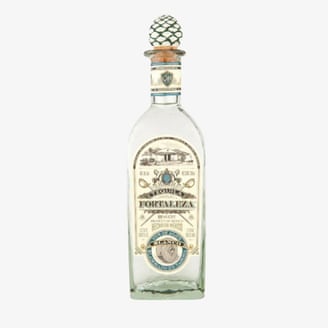
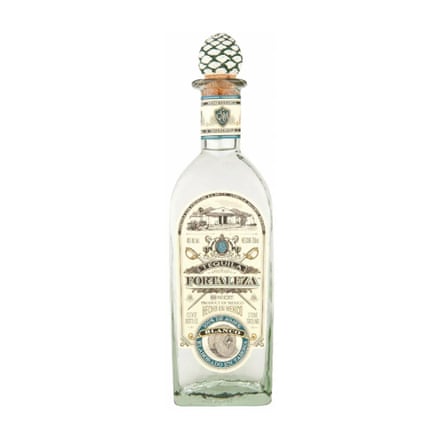
Fortaleza Blanco: Revered by bartenders and connoisseurs, Fortaleza Blanco is a testament to traditional craftsmanship. Its production involves roasting agave in brick ovens, crushing it with a tahona, and fermenting in wooden vats before distillation in copper pot stills. This meticulous process yields an outstanding expression of pure agave, rich with herbaceous notes, a distinctive spiciness, and a vegetal finish. Its relative rarity only adds to its mystique, making the hunt for a bottle a rewarding endeavor for those who appreciate true artisanal quality. Fortaleza’s commitment to ancestral methods ensures a depth of flavor often missing in mass-produced blancos.
-
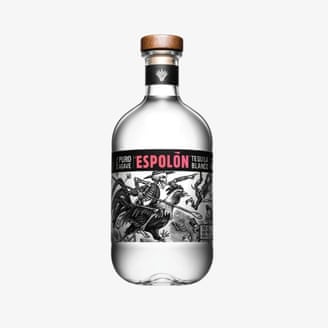
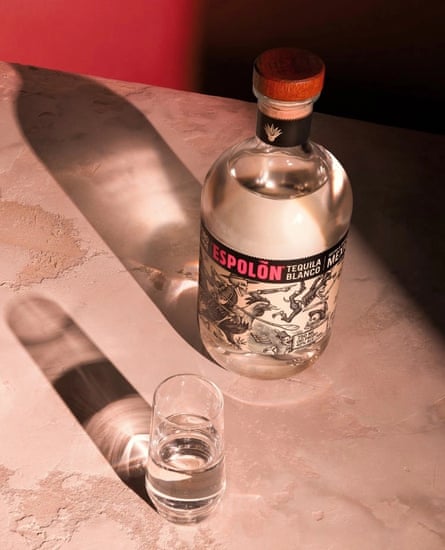
Espolon Blanco: For those seeking an affordable yet high-quality option for a home bar, Espolon Blanco consistently delivers. Typically priced under $30, it represents exceptional value. Its smooth, crisp flavor profile makes it incredibly versatile, serving as an excellent foundation for classic tequila cocktails like margaritas and palomas. Espolon’s widespread popularity and accessibility make it a reliable choice for hosting gatherings or batching mixed drinks, proving that quality doesn’t always come with a premium price tag.
-
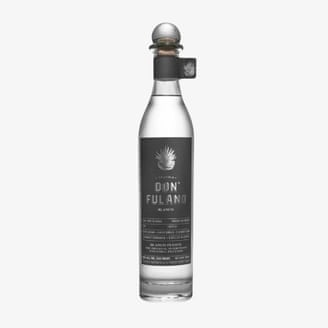
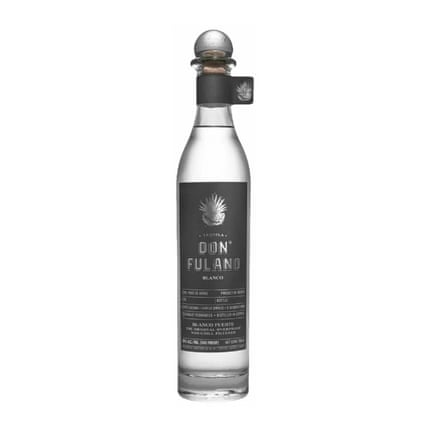
Don Fulano Fuerte: For the adventurous palate, Don Fulano Fuerte offers an intriguing experience. As a "Fuerte" or high-ABV (50%) blanco, it’s designed to deliver an intense, unadulterated agave punch. It evokes the essence of an entire agave field bottled, bursting with bracing notes of cinnamon, freshly ground black pepper, and vibrant mint. This robust flavor profile makes it an ideal candidate for spicy margaritas or palomas, where its unexpected intensity can cut through other ingredients and intrigue experienced tequila drinkers seeking something bold and distinctive. Some enthusiasts even recommend letting it breathe for a few minutes to allow its complex aromas to unfurl fully.
-
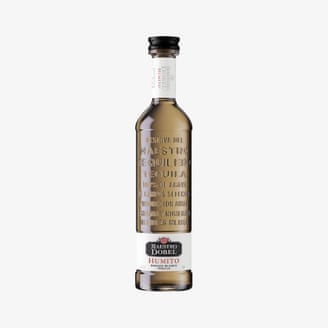
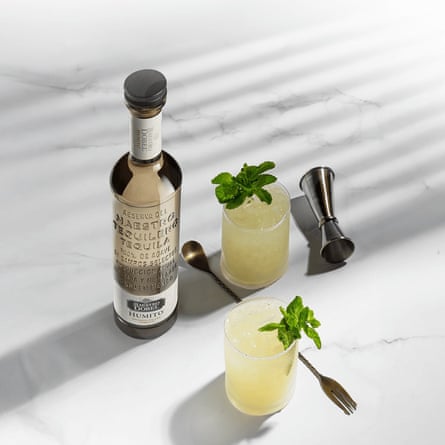
Dobel Humito: Catering to aficionados of smoky spirits, Dobel Humito is a mesquite wood-smoked blanco that bridges the gap between tequila and mezcal. Its delicate smokiness, subtler than that of a typical mezcal, harmonizes beautifully with strong peppery and caramel notes. This unique profile makes it delightful for sipping neat or on the rocks. In cocktails, it offers a sophisticated balance to sweeter ingredients like fruit juices and liqueurs, appealing to those who prefer their drinks with an intriguing smoky backbone without overpowering the palate.
-
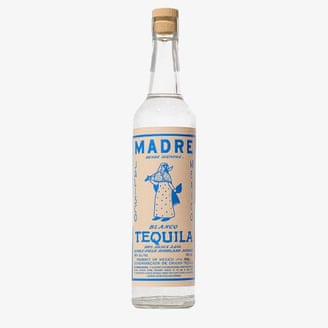
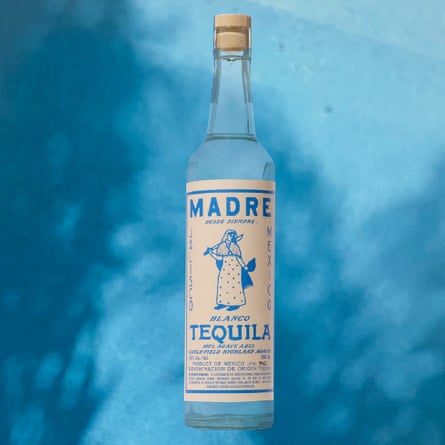
Madre Blanco Tequila: Designed for casual enjoyment, Madre Blanco Tequila comes in a distinctive, travel-friendly flask, perfect for outdoor gatherings. Despite its petite size, it packs a punch with a 48% ABV, higher than many standard tequilas. It features a straightforward, sweet, agave-forward flavor profile that makes it exceptionally easy to mix with simple refreshers like lemonade or orange juice at a backyard barbecue or picnic. Its blend of approachability and potency makes it a versatile choice for relaxed social settings.
-
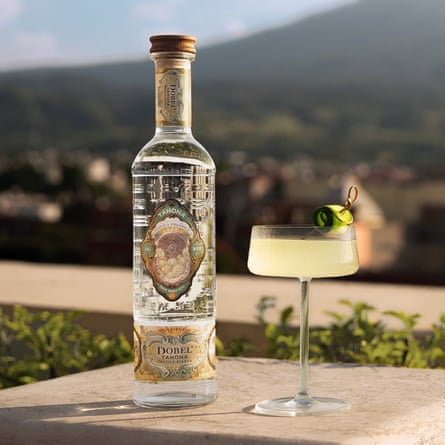
Dobel Tahona Tequila Blanco: A recent and exciting entry, Dobel Tahona Tequila Blanco revives one of the oldest and most traditional methods of agave processing: the tahona. This large, volcanic stone wheel slowly crushes oven-cooked agave, gently extracting its precious liquids. This, coupled with a slow fermentation process, meticulously preserves the agave’s natural sweetness and a spectrum of flavors reminiscent of a wild garden. The result is a surprisingly earthy blanco with a persistent finish of green apple and lime. It’s highly recommended for sipping on the rocks, allowing its intricate, traditional character to be fully appreciated. Its rapid ascent to "best-of" lists highlights a renewed appreciation for ancestral production methods.
The Best Aged Tequilas: Complexity and Nuance
-
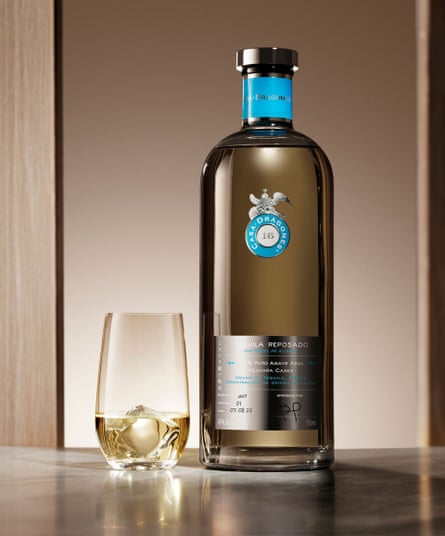
Casa Dragones Reposado: For whiskey enthusiasts looking to explore tequila, Casa Dragones Reposado serves as an ideal bridge. This tequila is uniquely aged in barrels crafted from rare Mizunara oak, traditionally reserved for Japanese whisky. This innovative aging imparts distinct notes of orange blossom and vanilla, which gracefully give way to deeper flavors of coffee bean and star anise. The result is a luxurious, exceptionally smooth reposado with a remarkably long finish, offering a familiar oak-driven complexity that appeals to those accustomed to fine aged spirits.
-
Casamigos Reposado: While the spirits market is saturated with celebrity-backed brands, Casamigos, co-founded by George Clooney in 2013, stands out. It’s largely credited with igniting the celebrity tequila trend, and its Reposado expression remains, for many, the most versatile and enjoyable among its peers. While its sale to Diageo in 2017 removed it from its original "craft" roots, its consistent quality and approachable flavor profile—marked by notes of caramel, vanilla, and soft oak—make it an excellent choice. It creates a surprisingly complex paloma, demonstrating that aged tequila and grapefruit juice are indeed a heavenly match.
-
Mijenta Cristalino: Representing a fascinating sub-category, Mijenta Cristalino offers a unique experience. It begins as a reposado, aged for approximately eight months in American oak barrels, then undergoes a charcoal filtration process. This removes the color while meticulously preserving the rounded character and intricate flavors developed during aging. The result is a clear spirit with the depth of a reposado and the polished finish of a blanco. Mijenta is also notable as the first B Corp-certified tequila producer, highlighting its commitment to social and environmental responsibility. Its Cristalino plays exceptionally well with vermouth and bitters, creating a sophisticated agave-based martini.
-
Laelia Añejo: For those who appreciate a slow, contemplative sipping experience, Laelia Añejo offers a rich and warming profile. Aged for 12 to 14 months in French oak barrels, it develops deep caramelized vanilla and cooked fruit flavors, reminiscent of prunes, apples, and plums, evoking the comforting essence of autumn in a glass. This Añejo is an exceptional candidate for an old-fashioned, where it can be used in place of bourbon to create a super-smooth, complex twist on the classic cold-weather cocktail. Laelia also suggests pairing it with hearty dishes like barbacoa, carne asada, or even dark chocolate, further highlighting its versatility as a culinary companion.
The Future Landscape: Continued Evolution and Appreciation
The journey through high-quality tequila reveals a world of intricate flavors, rich history, and dedicated craftsmanship. The simple clues on a label – NOM, 100% Blue Weber agave, and origin – serve as indispensable guides to discerning exceptional spirits. As consumer palates become more refined and the demand for authentic, well-crafted beverages continues to grow, the tequila industry is poised for further innovation and premiumization. The focus on sustainable practices, traditional production methods, and diverse aging techniques ensures that tequila will continue to command respect as a truly global and sophisticated spirit, inviting drinkers to explore its multifaceted character, one carefully chosen bottle at a time.