Ferry Irwandi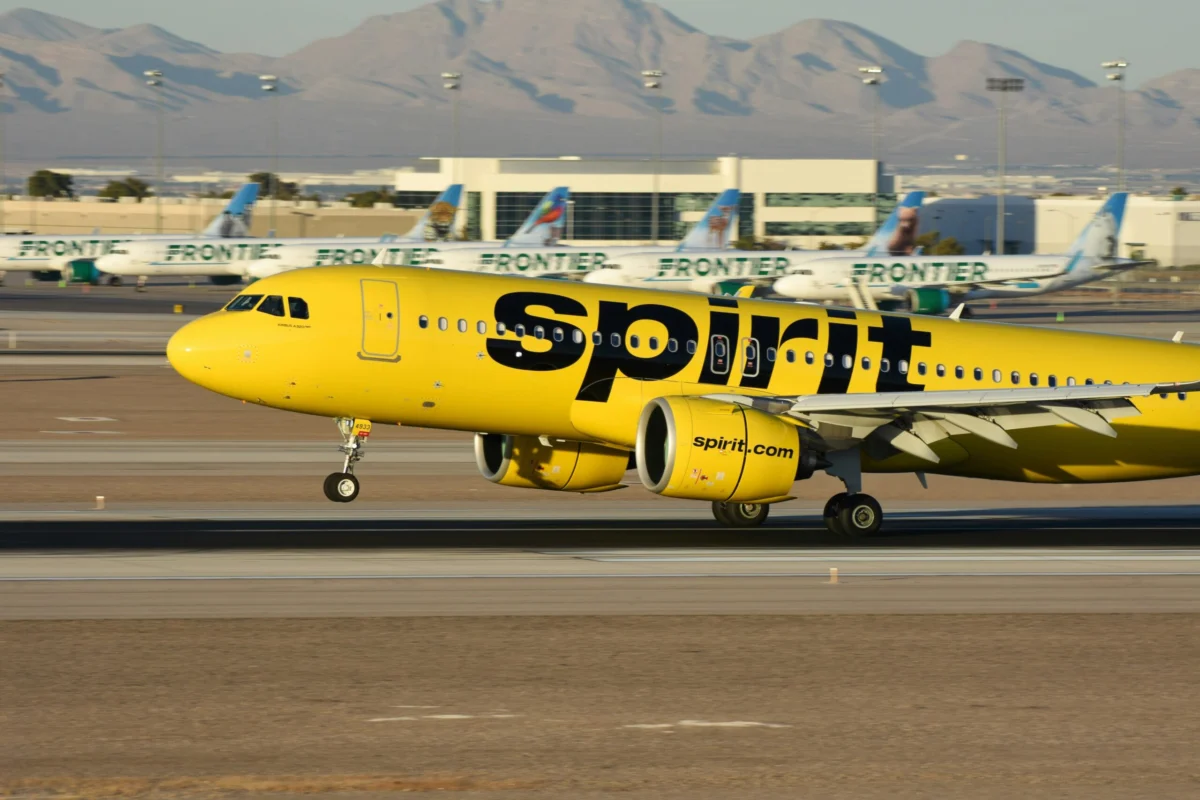
Spirit Airlines, the pioneer of the ultra-low-cost carrier (ULCC) model in the United States, officially shuttered its business on Saturday, May 2, marking a sudden and tumultuous end to one of the most recognizable brands in American aviation. The Miramar, Florida-based airline abruptly ceased all operations, effectively grounding its entire bright-yellow fleet and nixing flight schedules across its domestic network and its extensive international routes in Latin America and the Caribbean. The decision, which came after years of financial instability and a series of failed restructuring attempts, left thousands of travelers stranded and signaled a significant shift in the competitive landscape of the U.S. airline industry.
In an official statement released on the morning of May 2, the carrier advised all ticket holders to avoid traveling to the airport, confirming that all scheduled flights had been terminated with immediate effect. The closure followed an intensive but ultimately unsuccessful period of negotiations between the airline, its bondholders, and federal officials. While Spirit had been operating under the shadow of bankruptcy for some time, the immediacy of the shutdown caught many industry analysts and passengers off guard, leading to chaotic scenes at major hubs such as Fort Lauderdale-Hollywood International Airport, Orlando International Airport, and Las Vegas Harry Reid International Airport.
The Economic Catalyst: Geopolitical Tensions and Fuel Surges
The primary driver for the immediate collapse, according to Spirit’s leadership, was an untenable spike in operating costs. While the airline had been struggling with a debt-heavy balance sheet for years, the recent escalation of the war in Iran created a volatile environment for global energy markets. The conflict led to a sudden and sustained rise in jet fuel prices, which represent the largest variable expense for any airline, particularly those operating on the thin margins characteristic of the budget sector.
Spirit Airlines President and CEO Dave Davis explained in a press release that the economic headwinds proved insurmountable. "The sudden and sustained rise in fuel prices in recent weeks ultimately has left us with no alternative but to pursue an orderly wind-down of the company," Davis stated. He further revealed that the carrier required hundreds of millions of dollars in immediate liquidity to maintain day-to-day operations—capital that Spirit was unable to secure from private lenders or through its existing restructuring framework. The inability to procure this funding made the continuation of the flight schedule a legal and financial impossibility.
A Failed Eleventh-Hour Intervention
The shutdown occurred despite a high-stakes attempt by the Trump administration to intervene. In the final hours leading up to the May 2 deadline, federal officials proposed a $500 million bailout package funded by taxpayer dollars. Under the terms of the proposed deal, the U.S. government would have claimed a 90% equity stake in the carrier, effectively nationalizing the airline to prevent a total collapse of budget competition in the domestic market.
However, this rescue plan was ultimately rejected by Spirit’s bondholders. Financial analysts suggest that the bondholders, who held significant portions of the airline’s $1.1 billion in loyalty-program-backed debt, viewed the government’s terms as unfavorable to their long-term recovery prospects. The rejection of the federal loan left the airline with no remaining paths to solvency, forcing the board of directors to authorize the immediate cessation of all flight activities to preserve what little remaining assets could be liquidated during the bankruptcy process.
Chronology of a Decline: From Growth to Grounding
The downfall of Spirit Airlines was not an overnight occurrence but rather the culmination of several years of strategic setbacks and shifting market dynamics.
- The Post-Pandemic Shift (2022-2023): As the travel industry emerged from the COVID-19 pandemic, consumer preferences began to shift. While Spirit had thrived on a "bare fare" model—where passengers paid a low base price and added fees for everything from carry-on bags to water—travelers increasingly sought more "premium" experiences. Major carriers like Delta and United began offering "Basic Economy" to compete with Spirit’s prices while maintaining the perception of a higher-quality service.
- The Blocked JetBlue Merger (2024): Spirit’s primary hope for long-term survival rested on a $3.8 billion merger with JetBlue Airways. However, the U.S. Department of Justice sued to block the merger on antitrust grounds, arguing it would eliminate a key low-cost competitor and lead to higher fares for consumers. A federal judge ruled in favor of the DOJ in early 2024, a decision that many now view as the beginning of the end for Spirit.
- Repeated Bankruptcies (2024-2025): Following the failed merger, Spirit entered bankruptcy restructuring twice in two years. Each attempt saw the airline shedding routes, selling off aircraft, and renegotiating debt, but none of these measures addressed the core issue of rising labor costs and fluctuating fuel prices.
- The Final Wind-Down (May 2026): Despite a public plan to emerge from its latest bankruptcy by the summer of 2026, the geopolitical crisis in the Middle East and the resulting fuel price surge acted as the final blow, leading to the May 2 shutdown.
Immediate Impact on Travelers and Rescue Operations
The suddenness of the announcement left hundreds of travelers stranded at airports across the Western Hemisphere. In response, several of Spirit’s former competitors have stepped in with "rescue fares" to assist displaced passengers. These fares are generally available to anyone who can provide a Spirit Airlines confirmation number and proof of payment for a canceled flight.
- JetBlue Airways: The carrier is offering $99 one-way rescue fares on overlapping routes through May 6. JetBlue also announced plans to expand its presence in Fort Lauderdale to fill the void left by Spirit’s departure.
- United Airlines: United has capped rescue fares at $199 for most domestic routes, with longer-haul flights capped at $299. These rates are available via a dedicated booking portal through mid-May.
- American Airlines: American has launched special booking sites with fares ranging from $200 to $400, depending on the distance and destination.
- Frontier Airlines: As the last major ULCC remaining in the U.S. market, Frontier is offering a 50% discount on base fares for Spirit customers through May 10, positioning itself to capture Spirit’s former market share.
- Avelo Airlines: The startup budget carrier is offering up to 75% off base fares on select routes through November 17 for those using the promotional code "TRYAVELO."
For those seeking refunds, the process is bifurcated. Spirit has stated that refunds for tickets purchased via credit or debit cards will be processed automatically, though the timeline for these returns remains uncertain given the bankruptcy proceedings. However, customers who booked through third-party travel agents, or those holding travel vouchers, "Free Spirit" points, or credits, will likely face a much more difficult path. These individuals are currently classified as unsecured creditors in the bankruptcy process, meaning their compensation will be determined by the court and could result in only cents on the dollar.
Analysis: The Future of the American Aviation Market
The dissolution of Spirit Airlines raises significant questions about the future of affordable air travel in the United States. For decades, Spirit acted as a "price floor" for the industry; when Spirit entered a market, legacy carriers were often forced to lower their own fares to remain competitive—a phenomenon often referred to by economists as "The Spirit Effect."
With Spirit’s bright-yellow planes no longer in the sky, industry experts warn of a potential "summer of fare hikes." Michael Boyd, an airline consultant at Boyd Aviation International, noted that while Spirit had already been scaling back its influence, its total absence will eventually be felt. "In a few markets, they have been a factor, but not a universal driver of lower ticket prices recently," Boyd observed. He suggested that the immediate impact might be muted because Spirit had already reduced its fleet size significantly over the last six months, but the long-term lack of a major ULCC competitor could allow legacy carriers more pricing power on key leisure routes to Florida and the Caribbean.
Furthermore, the collapse highlights the extreme vulnerability of the ultra-low-cost model to external shocks. The ULCC strategy relies on high aircraft utilization and low operating costs. When fuel prices spike or labor costs rise due to new pilot contracts, the "no-frills" model struggles to absorb those costs without raising fares to a level that alienates its core budget-conscious demographic.
As the industry watches the "orderly wind-down" of Spirit’s assets, the focus turns to Frontier and Allegiant to see if they can maintain the low-cost mantle, or if the U.S. market will consolidate further into a landscape dominated by a few high-cost, premium-focused giants. For now, the "Yellow Fleet" remains grounded, marking a somber milestone in the history of American commercial flight.