Layla Zulfa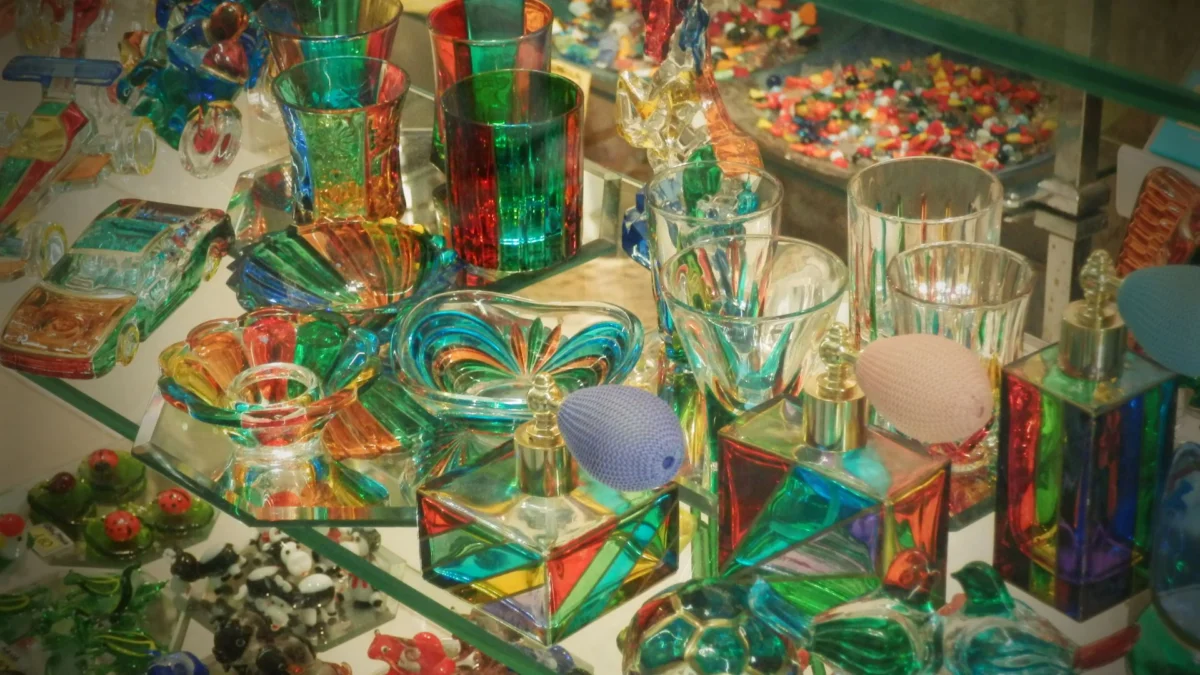
As the retail landscape shifts toward sustainability and personal storytelling, the traditional Mother’s Day gift of fresh-cut flowers is increasingly being supplemented—or replaced—by one-of-a-kind vintage and antique objects. Industry experts suggest that the move toward "pre-loved" items reflects a broader cultural desire for craftsmanship, history, and individuality. According to Michael Diaz-Griffith, CEO of the Design Leadership Network and vice chair of The Winter Show, vintage materials possess a "personality, quirkiness, and character" that resonates with mothers who have lived interesting lives and developed distinct aesthetic points of view.
The appeal of an antique gift lies in its singularity. Unlike mass-produced modern luxury goods, a vintage object carries the weight of history and the thumbprint of its maker. This trend is supported by data from the National Retail Federation (NRF), which indicates that while Mother’s Day spending remains high—reaching an estimated $35.7 billion in 2023—consumers are increasingly seeking "gifts that are unique and different." For many, this search leads to the auction block, the estate sale, or specialized online marketplaces like 1stDibs and eBay.

The Evolution of the Vintage Gifting Market
The market for antiques has undergone a significant transformation over the last decade. Historically, antique shopping was the domain of seasoned collectors and professional interior designers. However, the rise of the "circular economy" and a growing awareness of the environmental impact of new manufacturing have brought vintage shopping into the mainstream.
A 2023 report on the resale market suggests that the secondhand industry is growing 11 times faster than traditional retail. For Mother’s Day, this translates to a demand for items that offer both aesthetic value and investment potential. Experts note that the "Grandmillennial" design trend—which favors floral patterns, needlepoint, and traditional furniture—has further fueled interest in the specific categories of antiques most suitable for gifting.
Establishing Provenance and Authenticity
For those venturing into the world of vintage gifts, the primary challenge is authentication. Richard Wright, president of the Wright auction house, emphasizes that establishing provenance—the history of an object’s ownership—is the essential starting point. "Documentation can offer valuable insight," Wright explains, suggesting that buyers request receipts, old labels, or catalog references from sellers.

To assess the age and origin of an item, buyers should look for "maker’s marks." These symbols, numbers, or letters are typically stamped onto an item to identify its manufacturer. In the case of precious metals, "hallmarks" are used to verify purity. Because markings vary significantly by category and historical period, experts advise a "detective work" approach, utilizing reference catalogs and detailed condition reports to ensure the gift is genuine.
Selecting Reputable Dealers and Online Diligence
The legitimacy of a vintage gift is often tied to the transparency of the seller. Established galleries and auction houses remain the safest entry points for new buyers. "Gallerists are passionate, and they love to educate and talk about the material," says Wright.
However, the convenience of online marketplaces has made them a popular choice. While platforms like eBay offer immense breadth, they require extra diligence. New York-based designer Janine Carendi MacMurray of Area Interior Design recommends reading reviews and requesting high-resolution photos of the underside of pieces. Whenever possible, seeing an object in person—at a fair, shop, or gallery—is preferred to assess its physical integrity and "soul."

19th-Century American Quilts: Labors of Love
Few objects are as symbolically linked to motherhood as the American quilt. Historically crafted by women in communal or solitary settings, these textiles were often intended as family heirlooms. Stella Rubin, a prominent American quilt dealer, notes that these items were "labors of love," making them an ideal tribute for Mother’s Day.
Chronology of Styles:
- Late 19th Century: "Crazy quilts" made of silk and velvet were popular, often featuring intricate embroidery. These are highly decorative but fragile.
- 1880s-1900s: Amish quilts from Pennsylvania (Lancaster County) and the Midwest emerged, known for their bold, geometric patterns and fine wool or cotton construction.
- 1920s-1930s: The "Double Wedding Ring" pattern became a staple of American domestic craft.
Rubin advises buyers to prioritize condition while also looking for patterns that offer a "calming, soothing" aesthetic, such as indigo-and-white designs. Because provenance for textiles can be scarce, the age is usually determined by the fabric type and the specific dyes used.

British Ceramics: Rituals and Cross-Cultural Exchange
British ceramics, particularly 19th-century cups and saucers, offer a functional way to introduce antiques into a mother’s daily routine. Carleigh Queenth, founder of CQ Art Advisory and former head of ceramics at Christie’s, suggests that using an antique cup can transform a morning coffee or tea into a "soothing ritual."
The 19th century was a period of intense innovation in porcelain. Manufacturers like Spode, Minton, and Wedgwood produced vibrant patterns influenced by global trends, including Neo-Gothic, Japonism, and the colorful "Imari" styles of Japan. Queenth recommends checking for handles that may have been previously repaired, as they are prone to breaking again with regular use. Verification of these pieces is often aided by date cyphers and maker’s marks, which can be cross-referenced in databases like Geoffrey Godden’s Encyclopedia of British Pottery and Porcelain Marks.
Sterling Silver: Functional Sculpture
Silver remains a staple of the antique market due to its intrinsic value and durability. Jill Waddell, a certified silver appraiser, notes that 19th- and 20th-century silver from makers like Tiffany & Co., Gorham, and Georg Jensen pushed the boundaries of style.

Unlike many modern gifts, silver often appreciates or maintains its value based on the "spot price" of the metal, though the craftsmanship of a specific maker adds a significant premium. Waddell encourages buyers not to fear "patina"—the soft luster that develops through years of use—or monograms. "Don’t be afraid of engraving; it often makes a piece more personal," she says. For Mother’s Day, she suggests usable, sculptural objects such as punch ladles or pie servers that can "elevate a table" immediately.
Victorian Lockets: The Language of Sentiment
For a gift steeped in unabashed sentimentalism, Victorian jewelry is unparalleled. Ju Kim, founder of Laelius Antiques, explains that in the 19th century, jewelry functioned as a "silent, sophisticated language."
The Language of Flowers (Floriography):

- Forget-me-nots: Symbolized remembrance.
- Ivy: Represented fidelity and friendship.
- Pansies: Derived from the French "pensée," meaning "thought."
Victorian lockets were designed to hold intimate treasures, such as portraits or a lock of hair. When evaluating these pieces, Kim advises looking for high-carat gold and hand-cut gemstones. British hallmarks are particularly useful in this category, as they can reveal the exact year and city of manufacture.
Midcentury Italian Glass: Postwar Optimism and Artistry
If flowers are the traditional Mother’s Day staple, a vintage Murano glass vase offers a permanent vessel of equal beauty. Postwar Italian glass, particularly from the 1950s and 1960s, reflected the era’s interest in Color Field painting and abstract art.
Sara Blumberg, cofounder of Glass Past, highlights makers like Venini and Seguso as leaders in this "vivacious" style. The glass of this period is characterized by its experimental forms and "depth of color." Blumberg suggests that presenting a vase alongside an exhibition catalog—such as those from Le Stanze del Vetro—can enhance the gift by providing educational context. While signatures like the three-line "Venini Murano Italia" stamp are helpful for authentication, buyers are encouraged to study the "control of form" and the weight of the glass to distinguish original works from later reproductions.

Broader Impact and Market Implications
The shift toward vintage Mother’s Day gifting has broader implications for the retail industry and the environment. By choosing antiques, consumers are participating in a "slow consumption" model that reduces the demand for new resource extraction. Furthermore, the antique trade supports a network of small business owners, conservators, and historians who maintain the cultural record.
From a financial perspective, vintage gifts often represent better value than new luxury items. While a new designer handbag or piece of jewelry may lose 20-40% of its value the moment it leaves the store, a well-chosen antique often retains its worth or appreciates as it becomes rarer.
Ultimately, the trend toward vintage gifting is a rejection of the "disposable" nature of modern holidays. As Michael Diaz-Griffith observes, these objects are meant for those who appreciate "history and singularity." For a mother, a gift that has survived a century or more is not just a decorative object; it is a testament to enduring beauty and the lasting nature of family bonds.