Jono Maryono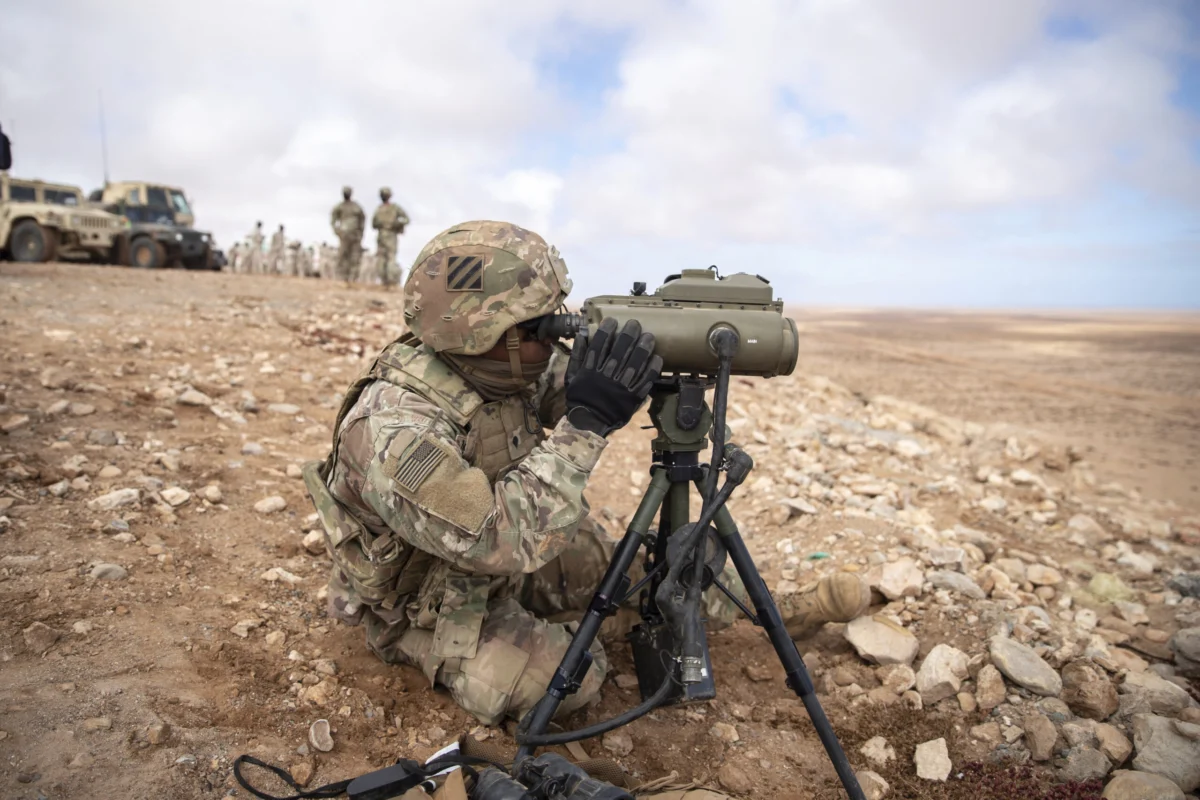
Two United States service members are currently missing while participating in the expansive African Lion military exercise in southwestern Morocco. The incident, which occurred on Saturday, has prompted a comprehensive, multi-agency search and rescue operation involving international partners. The U.S. Africa Command (AFRICOM) confirmed the development on Sunday, emphasizing that investigations are ongoing and all available resources are being deployed to locate the missing personnel.
Search and Rescue Efforts Underway in Cap Draa Region
The U.S. Africa Command (AFRICOM) announced on Sunday that two American service members have gone missing during the annual African Lion military exercise. The incident took place on Saturday near the Cap Draa Training Area, a significant military zone located in the southwestern region of Morocco, close to the city of Tan Tan. This area is known for its challenging terrain and vast desert expanses, which can complicate search operations.
AFRICOM stated that the circumstances surrounding the disappearance are under investigation. The command has mobilized a robust search and rescue effort, coordinating the deployment of ground, air, and maritime assets from the United States, Morocco, and other participating nations. The urgency of the situation underscores the commitment of all involved to ensure the safety and well-being of the personnel.
"The incident remains under investigation and the search is on-going," AFRICOM said in its official statement, highlighting the active and immediate nature of the response. The command has not yet released specific details regarding the identities of the missing service members or the exact nature of the operation they were engaged in when they disappeared.
African Lion Exercise: A Cornerstone of U.S.-Africa Military Cooperation
African Lion is the largest annual joint military exercise in which the United States participates on the African continent. This year’s iteration, which began earlier in June, involves a significant multinational contingent and spans multiple locations across North and West Africa, including Morocco, Ghana, Senegal, and Tunisia. The exercise is designed to enhance interoperability among participating forces, strengthen regional security cooperation, and build readiness to respond to a wide range of crises and contingencies.
The stated objectives of African Lion are multifaceted, focusing on improving the capabilities of partner nations to address emerging threats, promote stability, and enhance humanitarian assistance and disaster relief operations. The exercise typically involves a broad spectrum of military activities, including tactical training, joint operations, logistical support, and humanitarian civic assistance projects. The scale and complexity of African Lion make it a vital platform for fostering trust and building enduring partnerships between the U.S. military and its African counterparts.
Timeline of the Incident and Initial Response
While specific details of the immediate moments leading up to the disappearance are still being pieced together as part of the ongoing investigation, the following is a general chronology based on the information released:
Saturday:
- During the ongoing African Lion exercise, two U.S. service members participating in activities near the Cap Draa Training Area in southwestern Morocco become unaccounted for.
- Initial reports of the missing personnel are likely made internally within the exercise command structure.
Sunday:
- The U.S. Africa Command (AFRICOM) officially announces that two service members are missing.
- AFRICOM confirms that search and rescue operations have been launched, involving ground, air, and maritime assets from the U.S., Morocco, and other participating nations.
- The command states that the incident is under investigation.
The swift mobilization of search and rescue assets demonstrates the high priority placed on locating the missing individuals. The geographical scope of the exercise, coupled with the challenging environment of southwestern Morocco, presents significant logistical and operational hurdles for the search teams.
Supporting Data and Context
The Cap Draa Training Area is situated in a region characterized by arid desert landscapes, rugged terrain, and a vast coastline. These conditions, while providing realistic training environments for military operations, can also pose risks. Factors such as extreme temperatures, limited visibility due to sandstorms, and the sheer scale of the area can complicate navigation and search efforts.
The African Lion exercise is a critical component of the U.S. strategy to enhance security and stability in Africa. In recent years, the exercise has grown in scope and complexity, reflecting the increasing importance of the continent in global security dynamics. The U.S. military has been actively engaged in building capacity and fostering partnerships with African nations to counter terrorism, piracy, and other transnational threats.
For example, in previous iterations of African Lion, the exercise has involved thousands of personnel from over a dozen nations, simulating scenarios ranging from counter-terrorism operations to maritime interdiction and humanitarian assistance. The economic and geopolitical significance of the region, including its proximity to key shipping lanes and areas prone to instability, further amplifies the importance of such collaborative training endeavors.
Official Responses and Statements
AFRICOM’s statement on Sunday was concise and focused on the operational aspects of the situation. The command’s primary objective at this stage is to provide accurate information regarding the ongoing search and rescue efforts while respecting the sensitivity of the ongoing investigation and the privacy of the service members’ families.
"The safety and well-being of our service members are our highest priorities," an AFRICOM spokesperson might reiterate in similar situations, though no such direct quote has been released in this instance. The collaborative nature of the search, involving multiple nations, highlights the strong alliance and shared commitment to personnel recovery.
Moroccan military officials are likely working closely with their U.S. counterparts, providing local knowledge, resources, and support for the search operations. The Moroccan Royal Armed Forces have a significant presence in the southwestern regions and possess extensive experience operating in the challenging desert environment.
While no official statements have been released by the governments of the participating nations beyond AFRICOM’s announcement, the coordinated nature of the search implies a unified approach to addressing this incident. The focus remains on the operational mission to locate the missing service members.
Broader Impact and Implications
The disappearance of U.S. service members during a major military exercise raises several considerations:
Operational Review and Safety Protocols
An incident of this nature will undoubtedly trigger a thorough review of operational protocols, safety procedures, and risk assessments associated with the African Lion exercise, particularly in environments similar to Cap Draa. The investigation will aim to determine the precise circumstances that led to the disappearance and identify any potential areas for improvement in future operations. This includes evaluating equipment, training, and situational awareness protocols.
Interoperability and Partnership Dynamics
While the primary focus is on the search and rescue, the incident also underscores the inherent risks involved in large-scale military exercises, even with robust planning. The successful coordination of the multinational search effort, however, also serves as a testament to the established interoperability and strong working relationships between the U.S. military and its African partners. The ability of these forces to seamlessly integrate and deploy resources in a critical situation is a positive indicator of their preparedness for real-world contingencies.
Public Perception and Media Scrutiny
Military exercises, especially those involving international participants and taking place in potentially sensitive regions, often attract media attention. The news of missing personnel can lead to heightened public scrutiny regarding military operations and safety measures. Maintaining transparency, while respecting operational security and family privacy, will be crucial for managing public perception.
Strategic Importance of African Lion
The African Lion exercise plays a vital role in bolstering regional security and counter-terrorism efforts across Africa. Any significant disruption to the exercise, or a prolonged search that diverts considerable resources, could have a marginal impact on its overall objectives for this year. However, the commitment to resolving the current situation underscores the dedication to the personnel and the importance of the exercise’s long-term goals. The successful completion of the search and rescue will be critical in reassuring participants and reinforcing the commitment to the safety of all involved in future engagements.
The ongoing search and rescue operation in southwestern Morocco remains the immediate priority. The outcome of this effort will not only determine the fate of the two missing U.S. service members but will also provide valuable lessons for enhancing safety and operational effectiveness in future multinational military exercises on the African continent. The international cooperation displayed in the initial response offers a hopeful indication of the collaborative spirit that defines the African Lion exercise.