Ferry Irwandi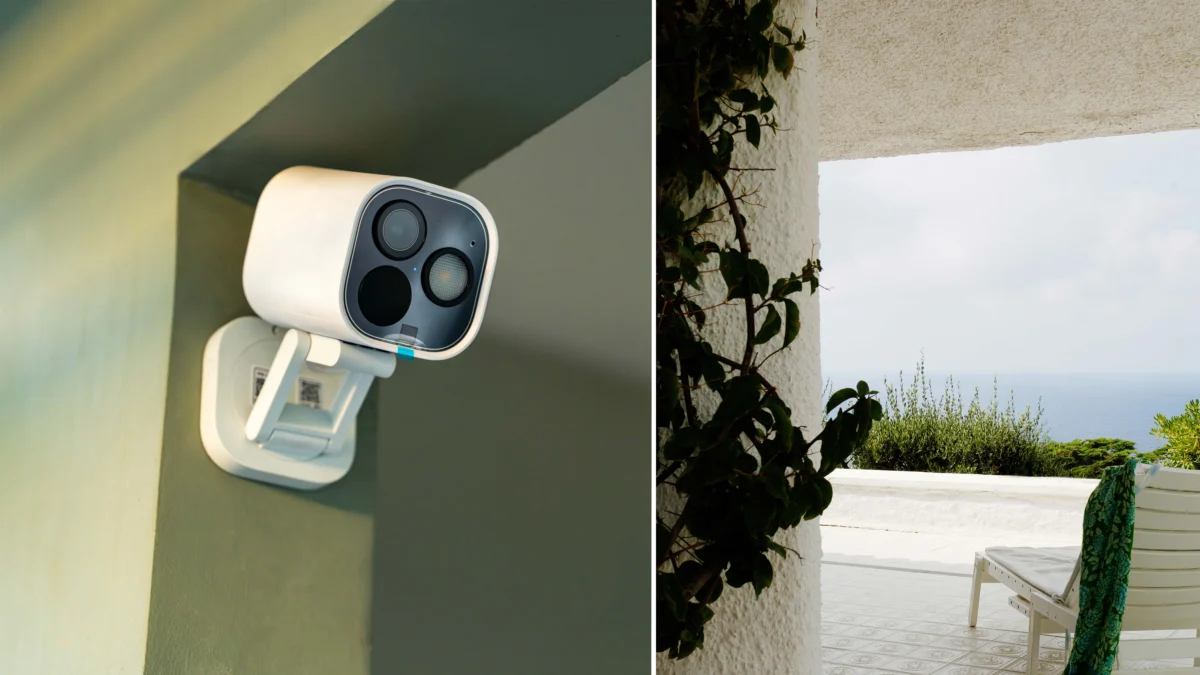
The promise of the vacation rental industry has long been centered on the concept of a "home away from home," offering travelers the intimacy of a private residence with the convenience of professional hospitality. However, the rapid proliferation of smart home technology and the "Internet of Things" (IoT) has introduced a complex tension between a host’s desire for property security and a guest’s right to absolute privacy. As high-profile reports of hidden surveillance devices occasionally surface in the media, the world’s largest booking platforms—Airbnb, Booking.com, and Vrbo—have moved to implement sweeping policy changes designed to standardize privacy protections across millions of global listings. These shifts reflect a broader maturation of the short-term rental (STR) market, moving away from a self-regulated "wild west" toward a more rigid, consumer-protected framework.
The Technological Evolution of Surveillance in Hospitality
To understand the current regulatory landscape, it is essential to recognize the technological shift that necessitated these policy updates. Charles McGilvary Johnson, a security expert and founder of NGA Security Advisors, notes that the challenge for modern travelers is no longer just high-end surveillance equipment but the ubiquity of the Internet of Things. In previous decades, sweeping a room for bugs required specialized knowledge and expensive equipment used primarily by private investigators. Today, cameras are integrated into everyday household objects—thermostats, smoke detectors, clocks, and even light bulbs—and are connected via Wi-Fi for remote monitoring.
This democratization of surveillance technology means that a host can monitor a property from across the globe using a smartphone app. While many hosts use these tools legitimately to prevent unauthorized parties or property damage, the potential for misuse has created a crisis of confidence among some travelers. This technological context served as the primary catalyst for the industry-wide ban on indoor cameras that took full effect in early 2024.
A Chronology of Policy Shifts: 2023–2024
The transition toward total indoor privacy has occurred in stages over the last eighteen months, marking a significant departure from earlier years when indoor cameras were permitted in common areas like living rooms and hallways, provided they were disclosed.
In late 2023, Vrbo emerged as an early adopter of more stringent privacy standards, banning indoor surveillance devices entirely. This move set a precedent for the industry, signaling that the "common area" exception was no longer sufficient to protect guest interests.
By March 2024, Airbnb announced it would follow suit, implementing a global ban on all indoor security cameras regardless of their location or prior disclosure. This policy officially took effect on April 30, 2024. An Airbnb spokesperson emphasized that while incidents involving hidden cameras are exceptionally rare, the policy change was intended to provide guests with peace of mind and simplify the rules for hosts.
Simultaneously, Booking.com updated its global privacy requirements in April 2024. As a platform that lists over 31 million properties—including roughly 8.4 million homes and apartments—Booking.com’s move solidified the new industry standard: indoor spaces are now strictly off-limits for video and audio recording across all major Western booking platforms.
Current Regulatory Frameworks by Platform
While the ban on indoor cameras is now nearly universal, the rules governing exterior surveillance, noise monitoring, and smart home devices remain nuanced.
Airbnb: Exterior Transparency and Noise Decibels
Airbnb’s current policy allows for exterior cameras under two strict conditions. First, the device must not monitor areas where guests have a "greater expectation of privacy," such as enclosed outdoor showers or saunas. Second, the host must explicitly disclose the location of every exterior camera in the listing’s "Amenities" section. For example, a host must state if a camera is pointed at the driveway or the backyard.
Furthermore, Airbnb distinguishes between recording devices and noise monitors. Decibel monitors—devices that measure volume levels without recording actual audio or conversations—are permitted indoors. These are often used by hosts to prevent noisy parties that could lead to neighbor complaints or fines. While their presence must be disclosed, the exact location of the monitor does not need to be specified.
Booking.com: Global Standards vs. Local Laws
Booking.com’s approach is rooted in a global standard that often exceeds local legal requirements. Sage Hunter, North American lead of communications at Booking.com, states that their policy is explicit: surveillance is prohibited in any private area, including bedrooms and bathrooms, even if local laws in certain jurisdictions are more permissive.
Partners on the Booking.com platform must disclose any device capable of monitoring, recording, or transmitting images or audio. This includes modern video doorbells and Wi-Fi-enabled exterior cameras. These devices must be transparently listed in the "Safety & Security" section of the property’s profile, ensuring guests are informed before the booking is finalized.
Vrbo: Access Points and Data Retention
Vrbo’s policy on exterior surveillance is perhaps the most specific regarding camera orientation. Devices such as smart doorbells are permitted but must be oriented toward access points like doors or driveways. They cannot be angled to view the interior of the home through windows.
Alison Kwong, senior manager of public relations at Vrbo, highlights a unique requirement for high-privacy outdoor areas: any surveillance covering a pool or hot tub must be disclosed not only on the digital listing but also via a physical sign or notice on the property itself. Additionally, Vrbo mandates that hosts delete surveillance data once it is no longer necessary after a guest’s departure, adding a layer of data privacy to physical privacy.
Market Data and the Scale of the Industry
The necessity for these regulations is underscored by the sheer scale of the vacation rental market. Booking.com’s inventory of over 8 million alternative accommodations and Airbnb’s millions of listings represent a significant portion of the global travel economy. According to market research, the global short-term rental market was valued at approximately $100 billion in 2023 and is projected to grow as travelers continue to seek localized, private experiences.
Despite the growth, "privacy anxiety" remains a measurable factor in consumer behavior. Surveys from travel insurance providers and consumer advocacy groups suggest that a significant minority of travelers remain concerned about undisclosed surveillance. By standardizing these bans, platforms are attempting to protect the "brand of the vacation rental" against the reputational damage caused by isolated but highly publicized privacy violations.
Official Responses and Enforcement Mechanisms
The effectiveness of these policies relies heavily on enforcement and the responsiveness of platform safety teams. All three major platforms have established 24/7 support lines to handle privacy complaints.
Airbnb utilizes a dedicated safety team with specialized training to assist guests who discover undisclosed cameras. Their protocol includes assisting with immediate cancellations, rebooking alternative accommodations, and removing non-compliant hosts from the platform. Similarly, Vrbo offers "VrboCare," a live support system that can facilitate contact with local law enforcement if a guest feels a criminal violation of privacy has occurred.
Sage Hunter of Booking.com notes that violations can lead to permanent contract termination. The platforms also emphasize their cooperation with law enforcement. In cases where a hidden camera is discovered, the issue often moves from a policy violation to a criminal matter (such as "video voyeurism"), and platforms have dedicated legal departments to handle subpoenas and investigations.
Broader Impact and Future Implications
The shift toward total indoor privacy marks a new era in the relationship between hosts and guests. For hosts, the loss of indoor common-area cameras means relying more heavily on exterior security and noise-detection technology to protect their assets. For guests, it represents a victory for consumer rights in the digital age.
However, the "Internet of Things" continues to evolve. As artificial intelligence becomes integrated into smart homes, the definition of a "surveillance device" may expand. Future debates are likely to center on smart speakers (like Amazon Alexa or Google Home) and whether their presence constitutes a recording risk, even if they are not intended for surveillance.
In conclusion, the unified front presented by Airbnb, Booking.com, and Vrbo in 2024 reflects a necessary adaptation to a world where technology has made privacy increasingly fragile. By implementing clear, non-negotiable bans on indoor cameras and requiring rigorous disclosure for exterior devices, the industry is seeking to restore the fundamental trust required for the "home away from home" model to thrive. For the modern traveler, the message is clear: while the technology to watch may be everywhere, the rules of the house have finally caught up to protect the sanctity of the stay.