Danny Garick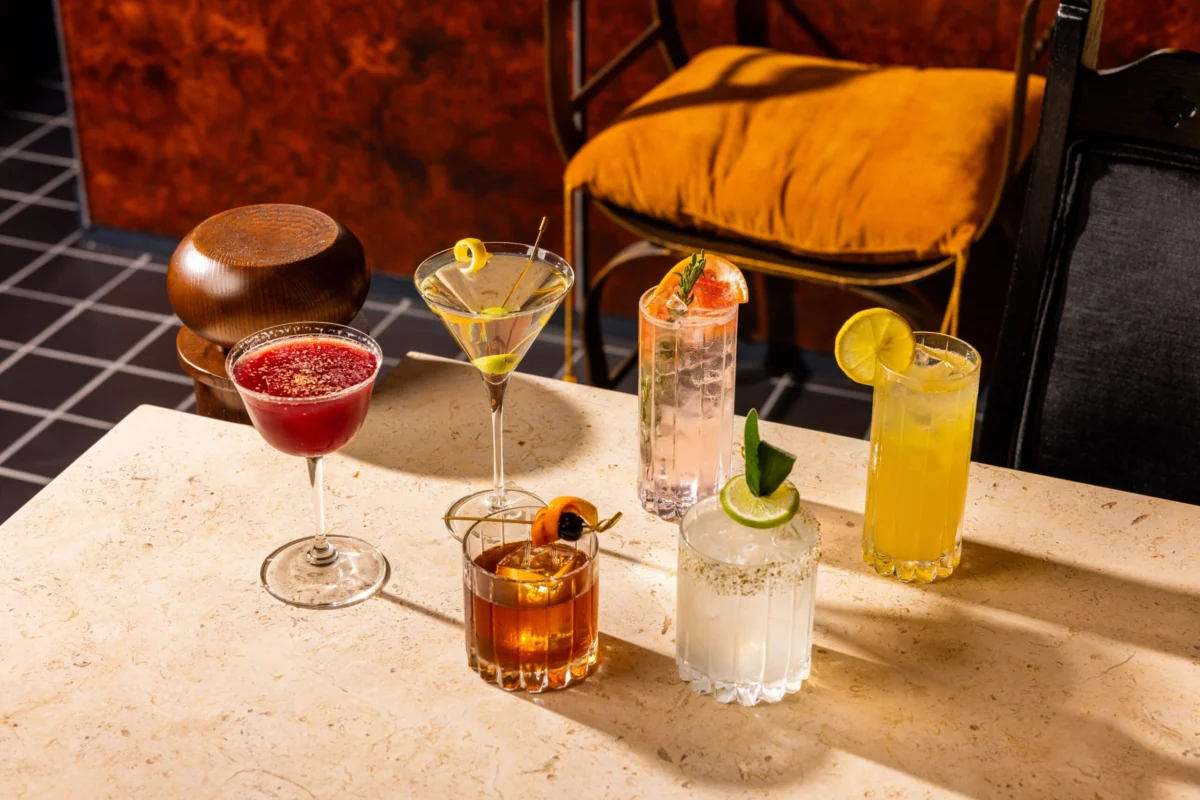
The city of Houston, Texas, long synonymous with the pioneering aerospace achievements of NASA’s Johnson Space Center, is undergoing a profound transformation into a premier global destination for culture, gastronomy, and luxury hospitality. As the fourth-largest city in the United States, Houston serves as a sprawling laboratory of diversity, with more than 145 languages spoken among its 2.3 million residents. This demographic tapestry has fueled a revitalization of its historic neighborhoods, turning once-industrial or purely residential districts into vibrant hubs of international commerce and creative expression. The city’s evolution from an energy-dependent economy to a multifaceted metropolis is increasingly reflected in its urban design, culinary innovation, and a hospitality sector that now competes on a global stage.
The Demographic and Economic Foundation of Modern Houston
The scale of Houston’s growth is anchored in its status as one of the most diverse metropolitan areas in the country. According to recent census data, nearly one in four Houstonians is foreign-born, a statistic that manifests in a culinary landscape that includes more than 10,000 restaurants representing over 70 countries and American regions. This diversity is not merely a social metric but a significant economic driver. The Greater Houston Partnership reports that the city’s Gross Domestic Product (GDP) has seen consistent growth, bolstered by a burgeoning tech sector and a tourism industry that contributes billions to the local economy annually.

This economic shift has facilitated the redevelopment of central neighborhoods, moving away from the car-centric sprawl of the 20th century toward walkable, mixed-use environments. The current urban strategy emphasizes "placemaking," where history, art, and food are leveraged to create distinct neighborhood identities.
The Heights: A Case Study in Preservation and Culinary Innovation
Originally founded in the late 19th century as a "healthful" alternative to the city’s industrial core, The Heights has emerged as a primary example of successful urban revitalization. The neighborhood is characterized by its historic Craftsman-style homes and tree-lined avenues, which now host a sophisticated array of retail and dining establishments.
The culinary offerings in The Heights reflect a trend toward "New Texas" cuisine, which blends local ingredients with global techniques. Casaema has gained regional acclaim for its commitment to traditional nixtamalization processes, utilizing heirloom blue corn for its signature tortillas. Notable dishes, such as the confit carrot taco featuring pumpkin seed salsa and queso fresco, exemplify the neighborhood’s shift toward elevated, vegetable-forward dining.

Further inland, Jūn, led by chefs Evelyn Garcia and Henry Lu, showcases the city’s fusion of Texas heritage with Asian influences. The menu features slow-cooked pork shoulder with five-spice soy and brisket paired with peanut curry, highlighting the collaborative nature of Houston’s chef community. This culinary densification is supported by a robust beverage scene, with establishments like Eight Row Flint and Better Luck Tomorrow redefining the "neighborhood bar" through high-concept mixology, such as the use of clarified lime and salted plum in traditional cocktails.
The Evolution of Downtown and the POST Houston Initiative
For decades, Downtown Houston was viewed primarily as a central business district that emptied after working hours. However, a decade-long investment in residential development and green spaces, such as Discovery Green and the Buffalo Bayou Park expansion, has repositioned the area as a 24-hour destination.
A cornerstone of this transformation is POST Houston, a multi-million-dollar redevelopment of the historic Barbara Jordan Post Office. The facility now serves as a massive food hall, concert venue, and workspace. It features "Skylawn," a five-acre rooftop park that offers panoramic views of the skyline and serves as an urban farm. The inclusion of vendors like Soy Pinoy, which offers Filipino-Texan fusion, underscores the city’s commitment to providing platforms for diverse culinary voices.
.jpg)
The Downtown district also maintains its role as a cultural powerhouse. The Theater District, second only to New York City in the number of concentrated seats in a downtown area, continues to draw international audiences to the Alley Theatre and the Houston Symphony. The economic impact of these institutions is substantial, supporting thousands of jobs and fostering a local economy centered on the arts.
Montrose: The Intersection of Art, History, and Hospitality
Montrose has historically served as the city’s bohemian heart, and it remains a critical center for Houston’s institutional art scene. The neighborhood is home to The Menil Collection, a 30-acre "art neighborhood" that includes the Rothko Chapel—a non-denominational sanctuary that attracts visitors from around the world for its meditative environment and 14 monumental paintings by Mark Rothko.
The hospitality sector in Montrose is currently seeing a surge in "boutique" developments that prioritize local integration. Hotel Saint Augustine, a Bunkhouse Group property, illustrates this trend. Located adjacent to The Menil Collection, the hotel features a vinyl listening lounge and Perseid, a restaurant led by acclaimed chef Aaron Bludorn. This development reflects a broader strategy to cater to "cultural tourists"—travelers who seek authentic, neighborhood-specific experiences rather than standardized luxury.

Montrose’s dining scene continues to diversify with the arrival of concepts like ChòpnBlọk, which brings West African flavors to a mainstream audience. The restaurant’s focus on suya skewers and Liberian greens represents the growing influence of the African diaspora on Houston’s identity, providing a culinary narrative that aligns with the city’s demographic shifts.
Luxury Hospitality and the Global Market
As Houston’s profile has risen, so too has the demand for high-end hospitality that caters to international business travelers and luxury tourists. The Post Oak Hotel at Uptown Houston has set a new benchmark for the region, achieving Forbes Five-Star status. The property integrates fine art—featuring works by Frank Stella—with extreme luxury amenities, including an on-site Rolls-Royce showroom and a 20,000-square-foot spa.
In the downtown sector, the Four Seasons Hotel Houston has undergone significant renovations to align with the city’s modern aesthetic. The hotel’s "Bayou & Bottle" lounge and the "Bandista" speakeasy cater to a demographic that values exclusivity and craft. Similarly, the Thompson Houston, located in the Historic Fourth Ward, leverages its proximity to Buffalo Bayou Park to offer a "wellness-centric" luxury experience, featuring a rooftop infinity pool and a full-service medical spa.

Broader Impact and Future Implications
The transformation of Houston’s urban fabric has significant implications for its future growth and international standing. City officials and urban planners have noted that the emphasis on walkability and cultural density is essential for attracting top-tier talent in the technology and medical sectors—industries that are increasingly vital to Houston’s economic diversification.
However, this rapid development also presents challenges. The "gentrification" of historic neighborhoods like The Heights and Montrose has led to rising property values, prompting discussions regarding housing affordability and the preservation of the city’s original character. Furthermore, as a coastal-adjacent city, Houston’s continued development must contend with climate resilience, an issue the city is addressing through expanded green infrastructure and improved drainage systems integrated into new park designs.
The Greater Houston Convention and Visitors Bureau (Houston First) has indicated that the city’s strategy of promoting its culinary and cultural assets is yielding results. Tourism numbers have rebounded strongly post-pandemic, with a notable increase in international visitors arriving via George Bush Intercontinental Airport, which serves as a major gateway to Latin America and beyond.

Conclusion
Houston’s trajectory from a regional hub of the oil and space industries to a global cultural capital is a testament to the power of diversity and strategic urban reinvestment. By leveraging its unique demographic makeup and historical neighborhoods, the city has created a multifaceted identity that appeals to a broad spectrum of visitors and residents. As Houston continues to expand its culinary boundaries and refine its hospitality offerings, it solidifies its position not just as a center for science and industry, but as a vibrant, essential destination on the American cultural map. The ongoing evolution of districts like The Heights, Montrose, and Downtown ensures that the "Houston story" remains one of constant reinvention and global relevance.