Layla Zulfa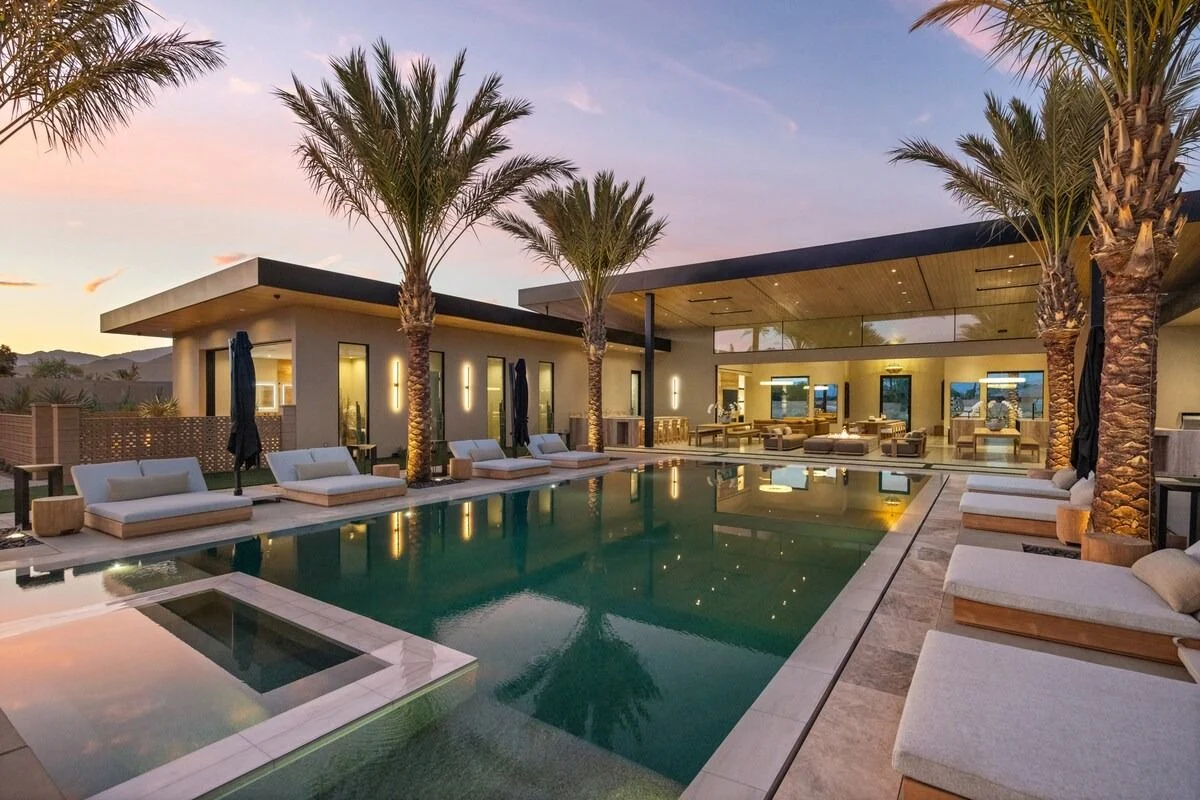
California’s architectural landscape is a physical manifestation of its varied topography, transitioning from the jagged cliffs of the Pacific coastline to the stark, sun-bleached expanses of its inland deserts. This geographic diversity has historically fostered a culture of design innovation, where the primary objective is to harmonize human habitation with the natural environment. From the midcentury modernism of Palm Springs to the organic architecture of the central coast, the state serves as a global laboratory for residential design. In recent years, the short-term rental market has evolved from providing simple lodging to offering immersive architectural experiences. A curated selection of high-end properties currently listed on platforms like Airbnb exemplifies this shift, showcasing homes that function as extensions of their environments through the use of sustainable materials, indoor-outdoor fluidity, and historic preservation.
The Evolution of Experiential Architecture in the Golden State
The history of California architecture is rooted in the "Western" philosophy of expansive potential. This design ethos prioritizes seamless transitions between interior and exterior spaces, maximizing natural light and framing specific vistas as living art. The mid-20th century saw the rise of Midcentury Modernism, a movement characterized by flat planes, large glass windows, and open floor plans, pioneered by architects such as Richard Neutra and Joseph Eichler. This was followed by the "Organic Architecture" movement of the 1970s, which favored undulating lines and natural materials to mimic biological forms.
Today, these historical motifs are being repurposed for the modern traveler. Market data from the travel and hospitality sectors indicates a growing consumer preference for "design-forward" stays. According to industry analysts, luxury travelers are increasingly bypassing traditional five-star hotels in favor of private residences that offer unique architectural pedigrees. This trend has catalyzed the restoration of historic bungalows and the construction of "sculptural" homes intended to serve as destination-level attractions.
Organicism and Whimsy: The Whale House of Santa Barbara
In Santa Barbara, a coastal city known for its Spanish Colonial Revival style, the "Whale House" stands as a radical departure from traditional aesthetics. Constructed in the 1970s, the residence is a premier example of Gaudí-esque organic architecture. The exterior is clad in rippling cedar shingles, designed to emulate the texture of a sea creature. The entrance, speckled with rocks to represent a whale’s mouth, sets the tone for an interior that defies the rigid geometry of standard residential construction.
The home’s internal layout features free-flowing curves and hand-carved details. Functional spaces are integrated into the sculptural shell, including a kitchen equipped with high-end appliances from Fisher & Paykel and SMEG, alongside Bertazzoni ovens. The property’s centerpiece is a 75-foot saltwater pool that transitions into a "whale tail" shape, accompanied by a hand-carved sauna and a tranquil grotto. This property reflects a specific era of California design where architects sought to break the "box" of post-war housing, leaning instead into artisanal, handcrafted environments.
Desert Modernism and Wellness in the Coachella Valley
The Coachella Valley has long been an epicenter for architectural experimentation, driven by its extreme climate and status as a retreat for the Hollywood elite. Villa Rosa in Indio represents the modern evolution of this desert aesthetic. Spanning 14 acres, the estate blends Mediterranean-inspired luxury with contemporary wellness amenities. The architecture utilizes floor-to-ceiling glass to dissolve the boundary between the six-bedroom interior and the arid landscape.
The property reflects a broader trend in luxury rentals: the integration of professional-grade wellness facilities. Villa Rosa includes an infrared sauna, a cold plunge pool, and a dual-sports court for padel ball and basketball. As the Coachella Valley continues to host major international events like the Coachella Valley Music and Arts Festival and the Stagecoach Festival, the demand for high-capacity, amenity-rich estates has surged. Data suggests that properties in this region can command premium rates during peak festival seasons, often exceeding $4,000 per night.
Coastal Modernism and the Malibu Aesthetic
Malibu’s architecture is defined by the constraints of its steep hillsides and the majesty of the Pacific Ocean. The Agave House serves as a case study in coastal modernism, a style that emphasizes light, air, and the use of natural textures. The 3,000-square-foot residence utilizes reclaimed wood, rattan fixtures, and neutral color palettes to create an atmosphere of "organic minimalism."
The property is designed to facilitate "Golden Hour" engagement, featuring a meditation deck, a teak jacuzzi, and an outdoor kitchen. This architectural approach aligns with the lifestyle-centric branding of Malibu, where the home is viewed not just as a shelter but as a platform for observing the environment. The proximity to high-profile culinary institutions like Nobu Malibu and Mastro’s Ocean Club further integrates these properties into a luxury tourism ecosystem that prioritizes exclusivity and scenic beauty.
The High-Tech Desert Sanctuary: Joshua Tree’s Rancho Panoramo
Joshua Tree has seen a significant influx of architectural investment over the last decade, transitioning from a rugged outpost to a high-design destination. Rancho Panoramo, a two-bedroom residence bordering Joshua Tree National Park, exemplifies "warm minimalism." The structure is anchored by French Oak cabinetry and Italian Oak dining surfaces, creating a tactile contrast with the harsh desert exterior.
A unique feature of this property is the "Listening Building," an acoustically treated space designed specifically for audiophiles. It houses focal speakers and a 4K projector, with an 11-foot window peering directly into the National Park. This integration of high-end technology with raw nature represents a new frontier in California’s desert architecture—one that caters to the "digital nomad" and the tech-savvy traveler seeking both isolation and connectivity.
Mediterranean Influence in the Mojave: La Cave
Also located in Joshua Tree, "La Cave" takes architectural inspiration from the Cycladic style typically found in the Greek Isles. The residence features whitewashed walls and earth-toned materials that provide a stark, cooling contrast to the Mojave’s heat. The private saltwater cave pool and spa are surrounded by dense vegetation, creating a microclimate that functions as a desert oasis. This property demonstrates the globalization of California design, where international motifs are adapted to local environments to create unique, hybridized living spaces.
The Revival of the A-Frame in Running Springs
In the mountainous regions between Big Bear Lake and Lake Arrowhead, the A-frame cabin remains a quintessential symbol of California’s mid-century leisure culture. A recently renovated one-bedroom A-frame in Running Springs showcases the modernization of this classic form. While the exterior maintains the traditional steep-pitched roofline designed to shed snow, the interior has been updated with luxury furnishings from brands like Restoration Hardware and Arhaus.
The property highlights the enduring appeal of "rustic luxury," where the simplicity of a wooden cabin is paired with high-speed fiber internet and cedar soaking tubs. Chronologically, the A-frame saw its peak popularity in the 1960s as a "second home" for middle-class families. Its current resurgence in the rental market reflects a nostalgic return to simpler architectural forms, albeit with 21st-century upgrades.
Topanga Canyon and Organic Minimalism
Topanga Canyon, nestled in the Santa Monica Mountains, has historically been an enclave for artists and those seeking a bohemian lifestyle. The "Modern Tree House" in Topanga reflects this heritage through a redwood-framed structure that emphasizes verticality and light. The home includes a dedicated third-floor yoga studio with canyon views, reinforcing the connection between architecture and holistic health. The design philosophy here centers on a "light footprint," using organic materials to ensure the structure blends into the densely wooded hillside rather than dominating it.
Historic Preservation: Barry Berkus in Palm Springs
Palm Springs is perhaps the world’s most famous repository of Midcentury Modern architecture. The Midcentury Bungalow, completed in 1961 by the renowned architect Barry Berkus, is a significant historical asset. Berkus was known for his innovative residential designs, and this property features his signature folded-plate roofline and open floor plan.
The preservation of this bungalow is part of a larger movement in Palm Springs to protect its architectural heritage. The city’s "Modernism Week" attracts thousands of visitors annually, and the rental market for these historic homes is a vital component of the local economy. Due to local ordinances designed to balance tourism with community stability, many of these high-end rentals, including the Berkus bungalow, transition to monthly stays, catering to long-term "snowbirds" and design enthusiasts.
Economic and Cultural Impact of Architectural Rentals
The rise of architecturally significant short-term rentals has profound implications for California’s economy and urban planning. From a fiscal perspective, these properties generate substantial Transient Occupancy Tax (TOT) revenue for local municipalities. In cities like Palm Springs and Santa Barbara, this revenue is often earmarked for infrastructure and public services.
However, the trend also presents challenges. The conversion of residential homes into high-end rentals can impact local housing affordability. Consequently, many California jurisdictions have implemented strict regulations, such as the 30-day minimum stay in parts of Palm Springs or the rigorous permitting process in Malibu.
Architecturally, the success of these rentals encourages the preservation of historic structures that might otherwise be demolished. By proving that "good design" is a marketable asset, these properties incentivize homeowners and developers to invest in high-quality materials and innovative architectural forms. As California continues to navigate its housing and tourism needs, these nine rentals stand as benchmarks for how architecture can enhance the travel experience while celebrating the state’s diverse environmental heritage.