Nila Kartika Wati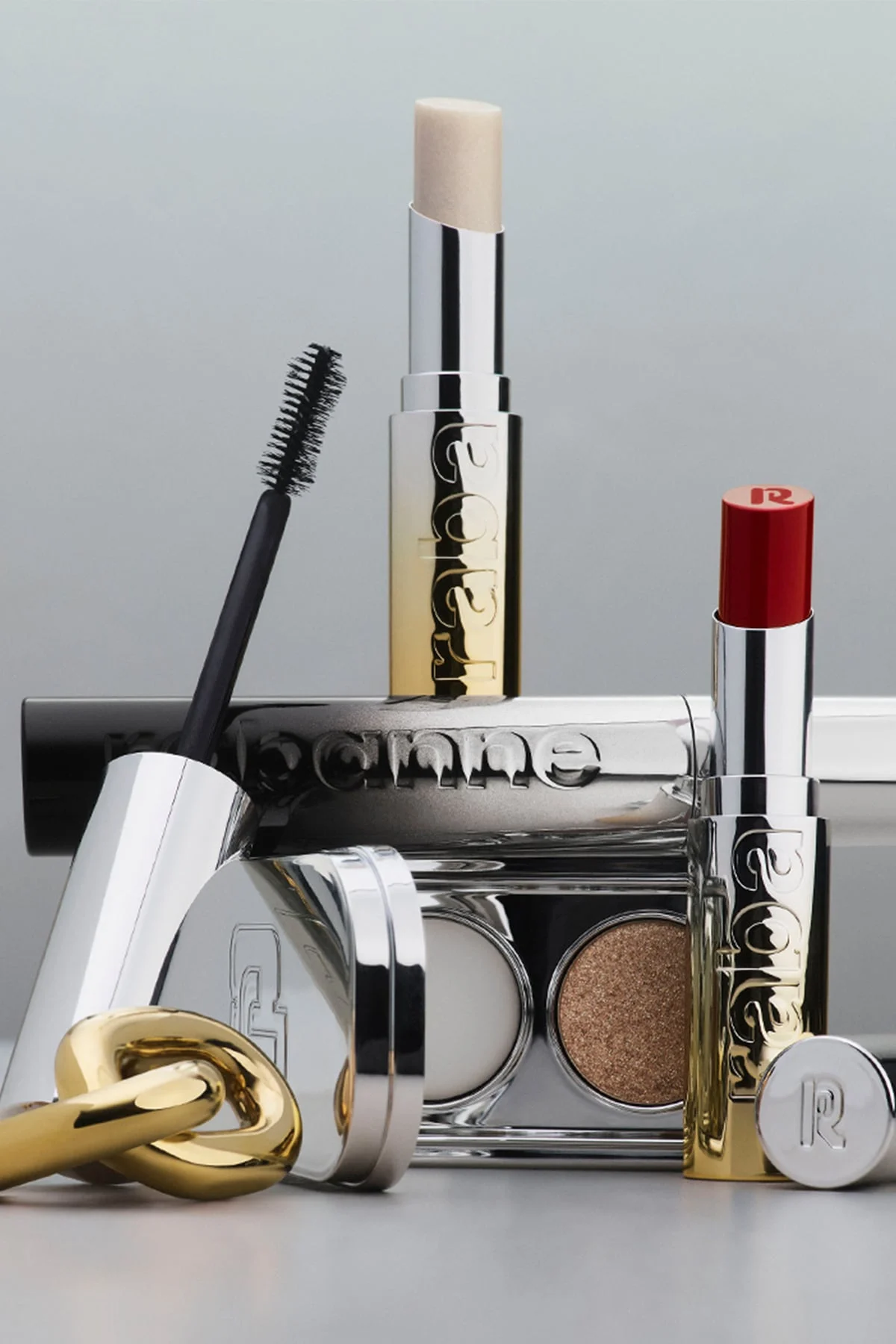
Spanish beauty conglomerate Puig, the parent company behind luxury fragrance and cosmetics brands such as Byredo, Charlotte Tilbury, and Paco Rabanne, has reported a deceleration in sales growth, particularly in its key markets of the United States and Europe. This slowdown is attributed, in part, to a cooling demand for niche fragrances, a sector that has experienced significant expansion in recent years. While the company has not yet released detailed financial statements for the full reporting period, initial indications suggest a recalibration of the market dynamics that have propelled many independent and luxury scent brands to prominence.
The shift in consumer behaviour comes after a period of unprecedented growth for the niche fragrance market. Driven by a desire for unique olfactory experiences, personalization, and a departure from mass-market offerings, consumers, particularly millennials and Gen Z, have increasingly gravitated towards brands promising exclusivity and artisanal craftsmanship. This trend was further amplified by social media influencers and a burgeoning direct-to-consumer model, which allowed smaller, agile brands to build significant followings and revenue streams. However, market saturation, economic uncertainties, and evolving consumer priorities appear to be contributing to a more discerning and perhaps more conservative purchasing landscape.
A Maturing Market for Niche Fragrances
The niche fragrance sector, once a largely uncrowded space, has become significantly more competitive. As more brands entered the market, both established luxury houses and independent newcomers, the initial novelty factor began to wane. Consumers, exposed to a wider array of options, are now exercising greater selectivity, often prioritizing value, brand heritage, and proven performance over pure exclusivity. Furthermore, the rising cost of living in key Western economies may be prompting consumers to reconsider discretionary spending, with luxury fragrances potentially being a category that experiences a more pronounced impact.
Puig’s portfolio, which includes the cult favourite Byredo, known for its avant-garde scent profiles and minimalist aesthetic, and Charlotte Tilbury, a powerhouse in the celebrity-backed beauty space, is well-positioned within the premium and luxury segments. However, even these well-regarded brands are not immune to broader market trends. The softening growth suggests that the rapid expansion witnessed in recent years may be normalizing, with companies needing to adapt their strategies to a more challenging and competitive environment.
Regional Performance and Consumer Sentiment
The United States and Europe, historically strong markets for luxury goods and particularly for the burgeoning niche fragrance segment, are experiencing a noticeable slowdown. This suggests that the factors influencing consumer spending in these regions are having a tangible effect on the premium beauty sector. Analysts point to a combination of economic headwinds, including persistent inflation and concerns about a potential recession, which can lead consumers to curb spending on non-essential luxury items.
In the United States, the market has seen a strong performance from brands that can offer a compelling narrative and a tangible sense of escapism or self-expression. However, the sheer volume of new launches and the increasing cost of acquiring new customers through digital channels may be impacting profitability and growth rates. European markets, while demonstrating resilience in certain luxury segments, are also grappling with economic uncertainty, and consumer confidence can be a significant driver of discretionary spending.
Puig’s Strategic Positioning and Future Outlook
Puig’s diversified brand portfolio offers a degree of resilience. While niche fragrances may be experiencing a cooling, brands like Charlotte Tilbury, which has a broader appeal across makeup and skincare, may continue to perform robustly. The company’s investments in both established luxury names and emerging brands have historically allowed it to tap into various consumer segments and market trends.
However, the current slowdown necessitates a strategic re-evaluation. This could involve:
- Enhanced Product Innovation: Developing new scent profiles that resonate with evolving consumer preferences, perhaps focusing on sustainability, natural ingredients, or gender-neutral offerings.
- Strengthened Digital Strategy: Optimizing e-commerce platforms, leveraging data analytics to personalize marketing efforts, and exploring new digital engagement channels.
- Geographic Diversification: Increasing focus on emerging markets where demand for premium beauty products may still be in its growth phase, such as Asia and the Middle East.
- Brand Storytelling and Experiential Marketing: Reinforcing the unique narratives of its brands and creating immersive experiences that connect with consumers on an emotional level, thereby justifying premium price points.
The performance of Puig is a bellwether for the broader luxury beauty industry. As consumer preferences shift and economic conditions evolve, companies that can demonstrate agility, innovation, and a deep understanding of their target audience will be best placed to navigate these changing tides. The era of explosive, unfettered growth in niche fragrances may be giving way to a more mature phase, demanding strategic foresight and a renewed focus on enduring brand value and consumer connection.
Broader Implications for the Beauty Industry
The reported slowdown for Puig is indicative of wider trends impacting the global beauty industry, particularly within the premium and luxury segments. For years, the allure of niche fragrances lay in their perceived exclusivity, artisanal quality, and unique scent profiles, differentiating them from mass-market offerings. This trend was fueled by a growing consumer desire for personalization and self-expression, amplified by social media platforms that provided a direct channel for brands to connect with enthusiasts and for influencers to showcase new discoveries.
However, several factors are contributing to a recalibration:
- Market Saturation: The success of niche fragrances has led to an influx of new brands, increasing competition and making it harder for individual companies to stand out. Consumers are now faced with an overwhelming number of choices, leading to a more discerning approach to purchasing.
- Economic Headwinds: Persistent inflation, rising interest rates, and global economic uncertainty are impacting consumer discretionary spending. Luxury goods, including high-end fragrances, are often among the first categories to see a slowdown when consumers tighten their belts.
- Evolving Consumer Values: While the desire for unique experiences remains, there is also a growing emphasis on sustainability, ethical sourcing, and transparency. Brands that can align with these values may find themselves better positioned.
- Shift in Marketing Effectiveness: The initial impact of influencer marketing may be diminishing as consumers become more aware of sponsored content. Brands need to find new and authentic ways to connect with their audience.
Puig’s Brand Portfolio and Market Dynamics
Puig’s diverse stable of brands offers a nuanced perspective on these trends. Byredo, known for its artistic and often unconventional scents, has been a significant driver of the niche fragrance boom. Its appeal lies in its distinct olfactory creations and sophisticated branding. However, even such a strong brand may feel the pinch of a more cautious consumer base, especially in regions where economic sentiment is subdued.
Charlotte Tilbury, on the other hand, represents a different facet of the beauty market – that of celebrity-backed, high-performance makeup and skincare. This segment often benefits from strong brand recognition and a loyal customer base, potentially offering more resilience against the specific downturn in niche fragrance demand. The success of this brand hinges on its ability to maintain product innovation and deliver on its promise of transformative beauty.
The company also owns Paco Rabanne, a fashion house with a strong fragrance presence, and other beauty brands, each with its own market dynamics. This diversification is a strategic advantage, allowing Puig to weather sector-specific challenges by relying on the performance of other segments.
Data-Driven Insights and Industry Projections
While specific figures for Puig’s recent performance are not yet public, broader industry data provides context. Market research reports have indicated a moderation in the growth rate of the global fragrance market, particularly for niche and artisanal segments, following several years of double-digit expansion. For instance, reports from firms like Grand View Research have highlighted a shift towards more conscious consumerism, with a growing demand for eco-friendly packaging and ethically sourced ingredients, even within the luxury space.
Furthermore, analyses of consumer spending patterns in the US and Europe have pointed to a slight contraction in non-essential luxury purchases as inflation erodes purchasing power. This suggests that consumers are becoming more strategic in their spending, prioritizing value and longevity in their luxury acquisitions.
Potential Strategic Responses and Future Outlook
In response to these market shifts, companies like Puig are likely to focus on several key areas:
- Reinforcing Brand Heritage and Storytelling: Emphasizing the unique history, craftsmanship, and artistic vision behind each brand to create deeper emotional connections with consumers.
- Targeted Product Development: Concentrating on product innovation that addresses current consumer desires, such as sustainable formulations, personalized scent experiences, and multi-functional products.
- Optimizing Distribution Channels: Strengthening direct-to-consumer (DTC) channels through enhanced e-commerce platforms and immersive digital experiences, while also carefully curating wholesale partnerships.
- Geographic Expansion and Diversification: Exploring growth opportunities in emerging markets where the demand for premium beauty products may still be robust and less affected by immediate economic headwinds.
- Focus on Customer Loyalty: Implementing robust loyalty programs and personalized customer service to retain existing customers and encourage repeat purchases.
The cooling demand for niche fragrances is not necessarily a sign of the segment’s demise, but rather an evolution into a more mature and discerning market. Companies that can adapt to these changing consumer preferences, economic realities, and competitive landscapes will be well-positioned for sustained success. Puig’s ability to navigate this transition, leveraging its strong brand portfolio and strategic agility, will be closely watched by the broader beauty industry. The days of effortless, high-octane growth may be over for some segments, but the pursuit of olfactory excellence and sophisticated beauty experiences remains a powerful consumer driver, albeit one that now requires a more nuanced and responsive approach from brands.