Danny Garick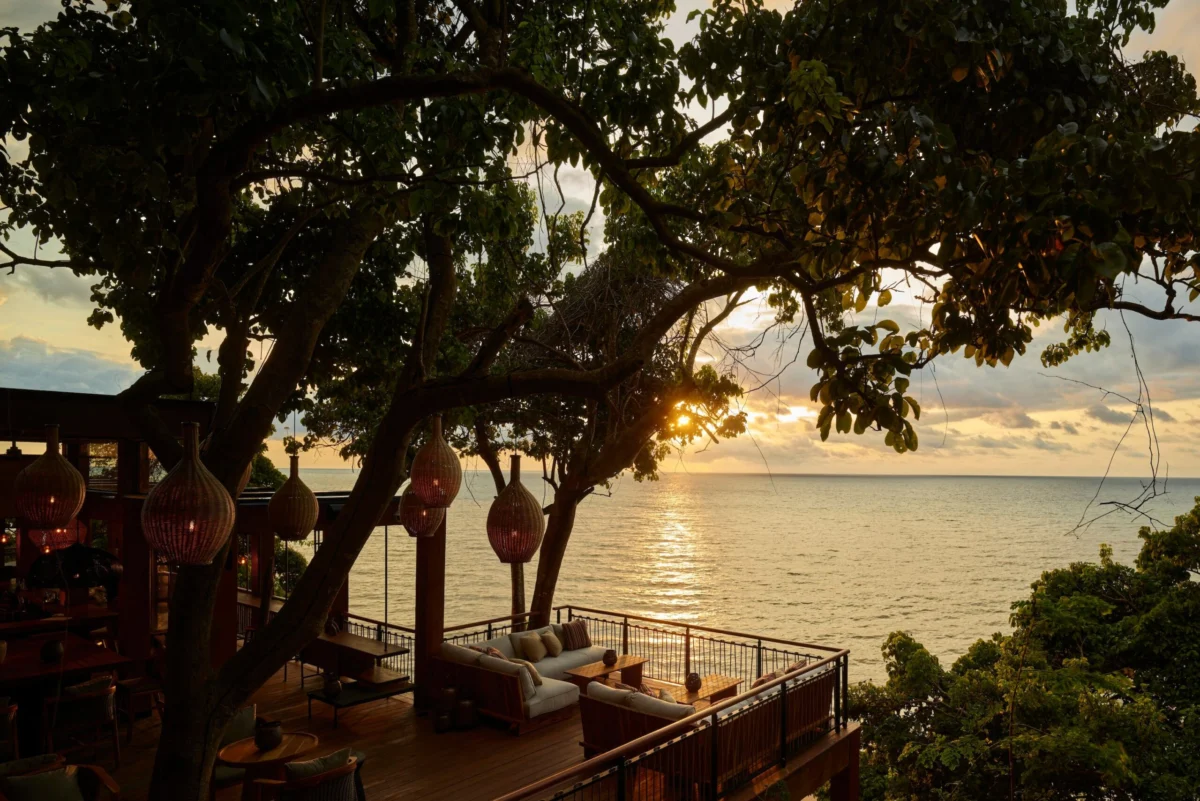
Rosewood Mandarina and the Evolution of Sustainable Luxury in the Riviera Nayarit Hospitality Sector represents a pivotal shift in the Mexican tourism landscape, signaling a move toward ultra-luxury developments that prioritize ecological integration and hyper-local culinary narratives. Scheduled to officially welcome guests in May 2025, the property is situated within the Mandarina master-planned community, a sprawling coastal enclave located approximately 45 miles north of Puerto Vallarta. This region, a 200-mile stretch of coastline known as the Riviera Nayarit, has undergone a rapid transformation from a series of secluded fishing villages into one of the most significant luxury corridors in North America. The opening of Rosewood Mandarina follows a period of intense infrastructure development, including the completion of the new Compostela-Las Varas highway, which has significantly reduced travel times from regional airports and opened the northern reaches of the Bahía de Banderas to international investment.
The Geographic and Ecological Context of Riviera Nayarit
The Riviera Nayarit extends from the bustling tourism hub of Puerto Vallarta in the south to the historic port of San Blas in the north. Historically, the region’s development was concentrated in areas like Nuevo Vallarta and Punta Mita. However, the northern expansion toward the Sierra Madre Occidental mountains has introduced a different model of hospitality—one that emphasizes low-density construction and the preservation of the "untouched" aesthetic that defines the Nayarit coastline.
Rosewood Mandarina is positioned at a unique ecological crossroads where three distinct biomes converge: tropical jungle flatlands, pristine Pacific beaches, and the rugged peaks of the Sierra Madre Occidental. This convergence provides a biological diversity that serves as the foundation for the resort’s operational philosophy. Unlike traditional high-rise developments in nearby Jalisco, the architecture at Mandarina is designed to be subservient to the canopy. Suites and communal structures are engineered to blend into the topography, utilizing materials and craftsmanship sourced from local artisans to ensure the built environment reflects the cultural and physical landscape of the region.
Culinary Infrastructure and Regional Sourcing Strategies
At the heart of the Rosewood Mandarina experience is a culinary program led by Executive Chef Jose Mascaró, who also serves as the property’s Head of Food and Beverage. The resort’s approach to gastronomy is built upon a "zero-kilometer" philosophy, where the menu is dictated by the seasonal availability of the surrounding land and sea. This strategy is not merely an aesthetic choice but a logistical commitment to the local economy.
According to Chef Mascaró, the supply chain for the resort’s four primary dining and drinking venues is rooted in sustainable partnerships. Seafood is harvested from the Pacific waters immediately offshore by regional suppliers who adhere to traditional fishing methods. Produce, including vegetables and the region’s renowned coffee, is sourced from sustainable agricultural cooperatives in the Nayarit highlands. Furthermore, the resort utilizes a nearby organic farm for its egg and poultry requirements, ensuring that the carbon footprint associated with food transportation is minimized.
The property features two flagship dining establishments that represent the duality of the region’s culinary identity. Toppu, the fine-dining venue, specializes in Japanese-Peruvian (Nikkei) fusion, reflecting the historical maritime connections between Mexico and the Pacific Rim. Conversely, La Cocina serves as the resort’s dedicated Mexican kitchen. The focus here is on ancestral techniques, such as the use of the comal for handmade tortillas and the preparation of ceviches using the daily catch. By highlighting the garden-to-table transition—utilizing fruits and herbs grown on-site—the resort attempts to bridge the gap between luxury hospitality and agricultural heritage.
The Agave Spirit Program: Cultural Preservation through Mixology
A significant component of the Rosewood Mandarina’s beverage program is its focus on "forgotten" or artisanal agave spirits. Head Mixologist Ivan Torres Flores has curated a selection that moves beyond the commercially dominant tequila and mezcal categories to include raicilla and sotol. This initiative is designed to educate guests on the botanical diversity of Mexico and the socio-economic importance of small-batch spirit production.
The beverage program specifically targets spirits produced in small, responsible batches that tell an authentic story of their origin. Flores emphasizes that the common perception of agave spirits being unilaterally "smoky" is a misconception. Through curated tastings, the resort demonstrates the vast flavor profiles resulting from different soil types, altitudes, and fermentation processes.

Key Spirits in the Mandarina Collection:
- Sotol (Flor del Desierto): Derived from the Dasylirion plant (commonly known as the desert spoon), this spirit is native to the northern Mexican deserts. The plant requires 18 to 22 years of growth before it reaches maturity for harvest. The resulting spirit offers a complex profile featuring notes of hazelnut and peppercorn.
- Raicilla (Las Perlas): A type of agave spirit historically produced in the state of Jalisco. Long considered a "moonshine" due to its lack of official regulation until recently, raicilla is now recognized for its unique minerality and tropical fruit notes, often reflecting the coastal or mountain agaves from which it is distilled.
By partnering with artisanal brands, Rosewood Mandarina provides a platform for traditional distillers whose products might otherwise struggle to find a place in the global luxury market. This approach aligns with a broader industry trend toward "connoisseurship travel," where guests seek deep dives into regional traditions.
Environmental Stewardship and the Sea Turtle Conservation Initiative
The resort’s commitment to its "North Star"—the natural landscape—extends into active environmental conservation. One of the most significant programs involves the protection of sea turtle populations that use the Riviera Nayarit’s beaches as nesting grounds. The region is a critical habitat for several species, most notably the Olive Ridley sea turtle.
During the nesting season, the resort facilitates hatchling releases, an activity that serves as both a conservation effort and an educational guest experience. Under the supervision of environmental professionals, hatchlings are protected from predators and guided toward the ocean. This program is part of a larger regional effort to combat the decline of sea turtle populations due to poaching and habitat loss. By integrating these biological milestones into the guest itinerary, the resort fosters a sense of stewardship among its visitors, framing luxury travel as a vehicle for environmental awareness.
Economic Implications and the Future of the Riviera Nayarit
The development of Rosewood Mandarina is a significant indicator of the economic trajectory of the Mexican Pacific. The Mandarina master plan represents hundreds of millions of dollars in direct investment, creating thousands of jobs in construction, hospitality, and the local supply chain. The project is a cornerstone of the Nayarit state government’s strategy to position the region as a high-value, low-impact alternative to more densely developed tourism zones like Cancun or Los Cabos.
The broader impact of such developments includes:
- Infrastructure Enhancement: The demand for luxury access has accelerated the completion of the Guadalajara-Puerto Vallarta-Riviera Nayarit highway system, which benefits local commerce and resident mobility.
- Sustainability Benchmarking: By implementing rigorous local sourcing and waste reduction protocols, Rosewood Mandarina sets a precedent for future developments in the area, potentially influencing regional environmental policy.
- Market Diversification: The focus on niche spirits and ancestral culinary techniques helps preserve Mexican cultural heritage while catering to a global demographic that values authenticity over standardization.
Analysis of the "Mandarina Model"
The "Mandarina Model" reflects a shift in the definition of luxury. In the previous decade, luxury was often defined by isolation and opulence. Today, as evidenced by the Rosewood Mandarina initiative, luxury is increasingly defined by "access and impact"—access to rare cultural experiences and a positive impact on the local environment.
The resort’s opening in May 2025 comes at a time when the global travel industry is grappling with the challenges of over-tourism. By focusing on a high-yield, low-volume guest model, Mandarina aims to generate significant economic returns without the ecological degradation associated with mass tourism. The integration of the Sierra Madre Occidental’s peaks with the Pacific’s waters creates a sanctuary that is as much about the preservation of the landscape as it is about the comfort of the guest.
As the sun sets over the Riviera Nayarit, and new generations of sea turtles make their way to the waves, the property stands as a testament to the possibility of harmony between high-end development and the natural world. Through the lens of a glass of raicilla or a dish of locally caught ceviche, Rosewood Mandarina offers more than a stay; it offers a comprehensive immersion into the biological and cultural richness of Mexico’s Pacific coast.