
 Ronny Sianturi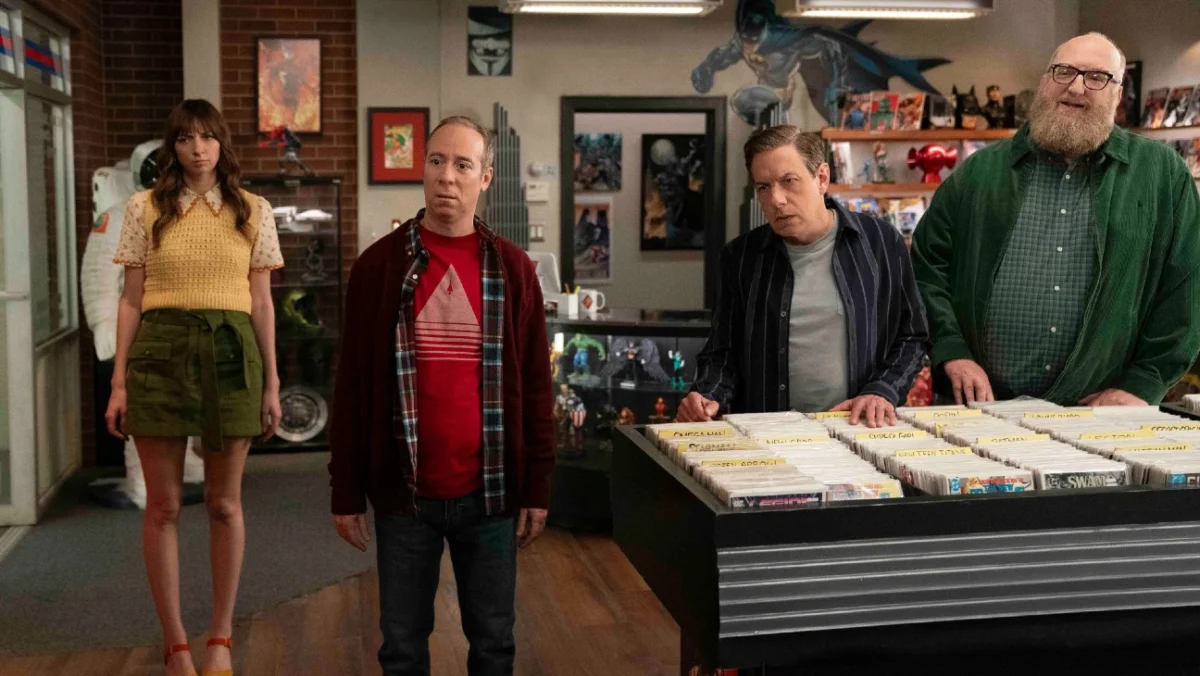
The highly anticipated first look at Stuart Fails to Save the Universe, a new comedy-sci-fi series spun off from the immensely popular The Big Bang Theory, was unveiled at CCXP Mexico City, generating significant buzz among fans and media alike. The event, held at the bustling Centro Citibanamex convention center, provided a platform for cast members Kevin Sussman, Lauren Lapkus, Brian Posehn, and John Ross Bowie to offer fans an exclusive glimpse into the chaotic multiversal adventures that await. The series is slated to begin streaming on HBO Max in July, promising a unique blend of humor and cosmic stakes that will undoubtedly resonate with the established fanbase of its predecessor.
Adding another layer of excitement to the project, it was revealed during the panel that Grammy-winning musician Danny Elfman, renowned for his iconic scores for films like Batman and The Nightmare Before Christmas, will be composing an original theme song for Stuart Fails to Save the Universe. This collaboration underscores the ambitious scope and creative aspirations behind the new series, aiming to capture a distinct sonic identity that complements its narrative.
The Multiversal Mishap at the Heart of the Story
Stuart Fails to Save the Universe centers on the character of Stuart Bloom, portrayed once again by Kevin Sussman. Fans will remember Stuart as the often-underappreciated owner of the comic book store that served as a frequent haunt for Leonard Hofstadter (Johnny Galecki) and Sheldon Cooper (Jim Parsons) in The Big Bang Theory. The new series picks up with Stuart inadvertently becoming the catalyst for interdimensional chaos. According to details shared at CCXP, Stuart’s well-intentioned but ultimately disastrous tinkering with a device co-created by Sheldon and Leonard leads to a catastrophic event that fractures reality, initiating a "multiverse armageddon." This premise immediately establishes a high-stakes, yet comically grounded, foundation for the series.
The narrative promises a fresh exploration of Stuart’s character, moving him from a supporting role to the unlikely protagonist tasked with mending the fabric of the universe. Brian Posehn, who reprises his role as geologist Bert, offered a candid perspective on the title character’s predicament during the panel. "The fun is watching him fail every week," Posehn quipped, suggesting a recurring comedic motif of Stuart’s earnest but often ineffective attempts to avert disaster. This sentiment was echoed by Kevin Sussman, who elaborated on the personal stakes for Stuart. "When The Big Bang Theory ended, our relationship was just budding, and now you can see where it goes," Sussman revealed, hinting at a significant romantic storyline developing between his character, Stuart, and Lauren Lapkus’s character, Denise. This romantic subplot adds a layer of personal connection and emotional depth to the grander, universe-saving mission.
A Familiar Ensemble Navigating Unfamiliar Realities
Beyond Stuart and his girlfriend Denise, the series brings back beloved supporting characters from The Big Bang Theory who will join Stuart’s increasingly desperate quest. Brian Posehn returns as Bert, the affable geologist whose pragmatic nature will likely serve as a foil to the escalating absurdity. John Ross Bowie is also set to reprise his role as Barry Kripke, the irritating but brilliant quantum physicist whose presence guarantees intellectual sparring and comedic friction.

The core premise of Stuart Fails to Save the Universe involves the protagonists encountering alternate-universe versions of characters familiar to The Big Bang Theory audience. This opens up a vast landscape for creative storytelling, allowing for humorous and poignant interactions with familiar faces in unexpected contexts. The original series, The Big Bang Theory, concluded its celebrated 12-season run in 2019, leaving a significant void in the television comedy landscape that Stuart Fails to Save the Universe aims to fill.
Kevin Sussman acknowledged the inherent challenges and comedic potential of his character’s new leadership role. "He takes on a leadership role in this, but he’s not very good at it," Sussman admitted with a laugh. He further elaborated on Stuart’s internal struggle, stating, "I do my best, but really, I’m way out of my comfort zone." This self-awareness from the actor suggests a nuanced portrayal of Stuart, one that embraces his limitations while highlighting his resilience and determination in the face of overwhelming odds.
Production Details and Industry Context
Stuart Fails to Save the Universe is developed by a team with deep ties to the original series and the broader Chuck Lorre production empire. The series is created, written, and executive produced by Chuck Lorre, Zak Penn, and Bill Prady, the principal creative forces behind The Big Bang Theory. This continuity in leadership is a strong indicator of the show’s commitment to capturing the spirit and comedic sensibility that made its predecessor a global phenomenon. The series is produced by Chuck Lorre Productions in association with Warner Bros. Television, a partnership that has historically yielded significant television successes.
The debut of Stuart Fails to Save the Universe arrives at a time when the legacy of The Big Bang Theory continues to thrive through its existing spinoffs. Young Sheldon, which chronicled the early life of Sheldon Cooper, concluded its seven-season run in 2024. Furthermore, a new offshoot, Georgie & Mandy’s First Marriage, which focuses on the lives of Sheldon’s brother Georgie and his wife Mandy, is currently airing its second season on CBS. The continued expansion of the Big Bang Theory universe speaks to the enduring popularity of its characters and the potential for compelling storytelling within its established lore.
HBO Max’s official Instagram account further amplified the excitement surrounding the series by sharing stills from the show, accompanied by a tagline that perfectly encapsulates the show’s comedic and multiversal premise: "If at first you don’t succeed, try in another multiverse." This playful slogan hints at the episodic nature of Stuart’s endeavors and the inherent absurdity of navigating alternate realities to correct his cosmic blunder.
The Significance of a CCXP Premiere
The choice of CCXP Mexico City for the Stuart Fails to Save the Universe premiere is a strategic move, reflecting the growing importance of the Latin American market for global entertainment properties. CCXP, one of the largest comic and pop culture festivals in the world, draws hundreds of thousands of attendees, offering a highly engaged and enthusiastic audience eager for new content. The event provides an unparalleled opportunity to generate immediate buzz, secure media coverage, and foster a direct connection with a dedicated fanbase.

By unveiling the first look and key details at CCXP, HBO Max and the production team are tapping into a vibrant community that deeply appreciates the intricacies of science fiction, fantasy, and comedic storytelling. The presence of the cast and creators further elevates the event, transforming it from a simple announcement into an immersive fan experience. This approach is particularly effective for a series that builds upon a beloved franchise, allowing existing fans to feel directly involved in its launch.
Analysis of Potential and Implications
The success of Stuart Fails to Save the Universe will hinge on its ability to balance the established charm of its parent series with fresh comedic and narrative explorations. The inclusion of a multiverse element offers significant creative freedom, allowing for imaginative scenarios and character reinterpretations. The challenge will be to maintain the relatable human elements that defined The Big Bang Theory while embracing the larger-than-life stakes of sci-fi.
The involvement of Danny Elfman in creating the theme song is a significant indicator of the series’ ambition to carve out its own distinct identity. A memorable theme song can be a powerful branding tool, instantly recognizable and evocative of the show’s tone and atmosphere. Elfman’s pedigree suggests a score that will be both sophisticated and engaging, potentially mirroring the blend of intellect and humor that the series aims to achieve.
The expansion of the Big Bang Theory universe through Stuart Fails to Save the Universe also reflects a broader trend in the television industry: leveraging established intellectual property to build interconnected franchises. This strategy allows networks and streaming services to capitalize on pre-existing brand recognition and fan loyalty, while also offering opportunities for creative reinvention. The success of the Young Sheldon franchise demonstrates the viability of this approach.
However, the critical reception and audience engagement for Stuart Fails to Save the Universe will ultimately determine its long-term trajectory. The series must offer more than just nostalgic callbacks; it needs to stand on its own as a compelling and entertaining program. The early indications from CCXP, including the cast’s enthusiasm and the ambitious creative team, suggest that Stuart Fails to Save the Universe has the potential to be a significant addition to the comedy-sci-fi landscape, providing fans with a familiar yet novel journey into the unknown. The overarching question for viewers will be whether Stuart, in his uniquely bumbling fashion, can indeed save the universe, or if his failures will be the very thing that makes the series a success. The July premiere on HBO Max will provide the answers.








