Jono Maryono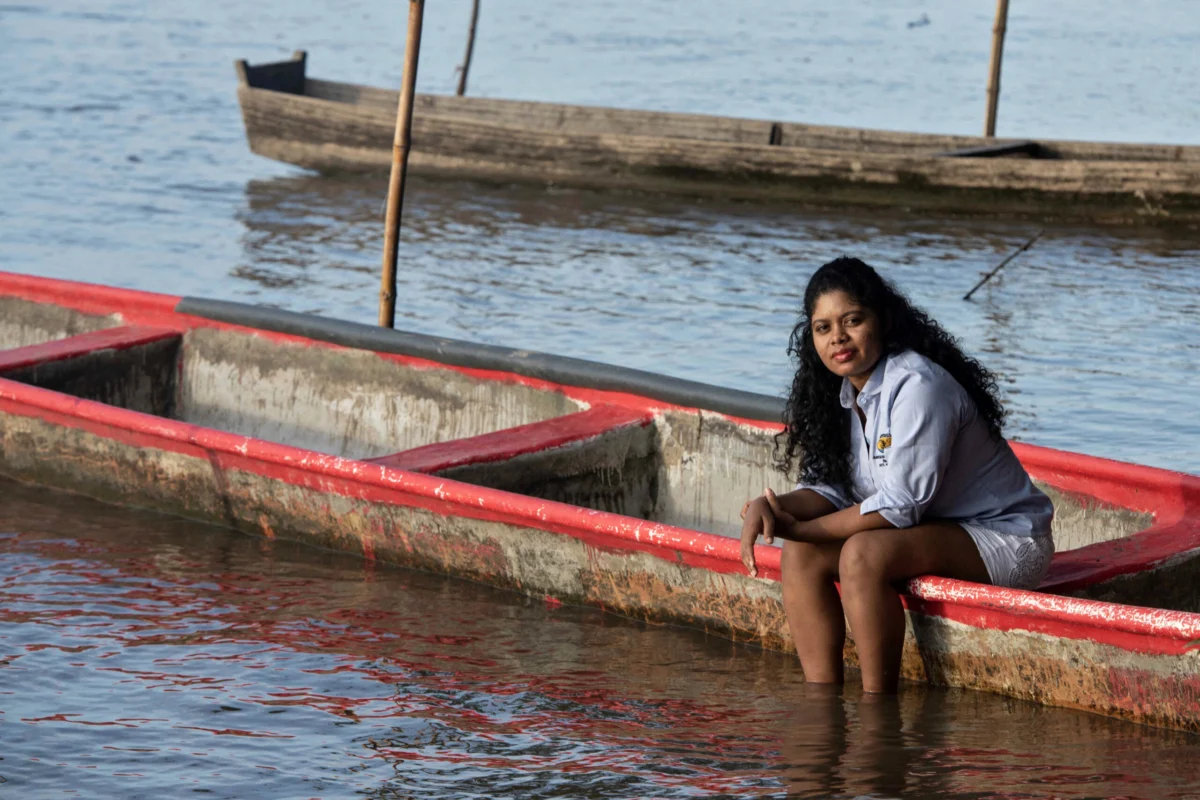
On a frigid January morning in 1969, a catastrophic event unfolded off the coast of Santa Barbara, California. An offshore oil drilling platform experienced a massive blowout, unleashing an estimated three million gallons of crude oil into the Pacific Ocean. The viscous black tide spread relentlessly, coating over 35 miles of the pristine California coastline, smothering beaches in a suffocating layer of oil, and decimating marine life. This disaster, the largest oil spill the United States had ever witnessed at the time, served as a grim harbinger of the environmental challenges to come and a powerful catalyst for change.
The Santa Barbara oil spill was not an isolated incident; it occurred during a period of growing awareness regarding the detrimental effects of industrial pollution. The post-World War II era had seen rapid industrial expansion, often with little regard for environmental consequences. Pesticides like DDT were widely used, leading to widespread ecological damage, and industrial waste was frequently discharged directly into waterways. Public concern was already simmering, fueled by books like Rachel Carson’s "Silent Spring" (1962), which vividly detailed the devastating impact of pesticides on wildlife and human health. The Santa Barbara spill, however, brought the issue of fossil fuel extraction and its immediate, visible consequences into sharp focus, galvanizing an already burgeoning environmental movement.
This profound ecological tragedy is widely credited with igniting the flames of the first Earth Day. On April 22, 1970, a remarkable demonstration of collective civic engagement unfolded as an estimated 20 million Americans took to the streets, parks, and auditoriums across the nation. This unprecedented mobilization was driven by a shared conviction: that unified, grassroots action could compel governments and corporations to address the escalating environmental crisis. The impact was swift and transformative. Within a few years of the inaugural Earth Day, the United States established the Environmental Protection Agency (EPA) and enacted landmark legislation, including the Clean Air Act and the Clean Water Act, fundamentally reshaping environmental policy and protection in the country. Today, Earth Day is observed in over 190 nations, with an estimated one billion people participating annually, demonstrating their commitment to planetary well-being.
However, the act of "caring" for the Earth, while essential, is distinct from bearing the profound burden of its protection. This responsibility disproportionately falls upon communities already situated on the front lines of industrial extraction and environmental degradation. Yet, activists worldwide who dedicate their lives to safeguarding the planet face significant personal costs. Their work often demands relentless effort, sustained risk, and, tragically, can sometimes lead to violence.
The Unseen Architects of Environmental Victory
This week, the prestigious Goldman Environmental Prize, widely recognized as the world’s foremost award for grassroots environmental activists, has honored six remarkable women. In a historic first for the prize’s 37-year history, all recipients are women. Their achievements represent significant victories for their respective communities and ecosystems, ranging from securing landmark climate rulings in South Korea and the United Kingdom to successfully halting destructive extractive projects in Colombia and the United States, and safeguarding vital ecosystems in Papua New Guinea and Nigeria.
These women’s triumphs are undeniably deserving of recognition. Yet, they represent only a fraction of a much larger, often invisible narrative. Thousands of other individuals tirelessly engage in this critical work. Many will never receive accolades, and their efforts may remain unknown beyond their immediate communities. Tragically, some will pay the ultimate price for their commitment.
The Grinding Reality of Environmental Activism
True environmental activism, the kind that instigates lasting change, is rarely characterized by dramatic, single-event victories. Instead, it is a slow, arduous, and deeply relational process. It involves years of persistent community meetings, repeatedly engaging in dialogues with individuals who may be fearful or uncertain about the risks involved. It means facing legal defeats and returning with more robust cases, building coalitions that fragment and then painstakingly rebuilding them. All of this unfolds without any guarantee of success.
Having spent years documenting the work of activists across the globe, I have personally witnessed the profound emotional toll behind their hard-won successes. Exhaustion accumulates silently. Self-doubt can creep in after prolonged periods of effort. Grief intensifies as one observes the natural world they strive to protect vanishing at an alarming rate – the river where they spent their childhood, the ancestral lands they steward, the very towns they call home. This suffering is not an incidental byproduct of their work; it is an intrinsic part of it. It is this struggle that ultimately makes the joy of victory, when and if it arrives, all the more profound and deeply felt.
The Deadly Cost of Defending Nature
For some activists, the personal cost is even higher. Environmental activism can be a deadly pursuit. The investigative organization Global Witness has meticulously documented the killings or disappearances of at least 2,253 environmental defenders between 2012 and 2024, an average of approximately three individuals per week. These defenders are often targeted for their efforts to protect forests, rivers, and land from illegal logging, mining, and agricultural expansion.
Yuvelis Morales Blanco: A Voice For Colombia’s Magdalena River
One of this year’s Goldman Prize recipients, Yuvelis Morales Blanco, understands these risks intimately. She hails from Puerto Wilches, a community situated on the banks of Colombia’s vital Magdalena River. Colombia is a nation where environmental defenders face the highest rates of violence globally. For the Afro-Colombian community of Puerto Wilches, the river is the lifeblood of their existence, providing sustenance, livelihood, and a profound sense of identity.
Yuvelis’s activism began in 2018, following a devastating oil spill from a facility operated by the state-owned oil company, Ecopetrol. The spill contaminated the Magdalena River, resulting in the deaths of thousands of animals and forcing nearly 100 families from their homes. When Ecopetrol proposed two fracking projects in close proximity to her hometown, Yuvelis emerged as a leading voice in the fierce campaign against them. She endured persistent harassment and intimidation. The threat escalated dramatically when armed individuals arrived at her home, forcing her to flee to France, where she was subsequently granted political asylum.
Undeterred, Yuvelis continued her advocacy from abroad. Her persistent efforts contributed to the suspension of the fracking projects in 2022. Two years later, Colombia’s Constitutional Court delivered a landmark ruling, declaring that the projects had been approved in violation of her community’s fundamental right to free, prior, and informed consent. Yuvelis has since returned to Colombia and remains a resolute advocate, pushing for an outright ban on fracking nationwide and demanding legal protections for environmental defenders like herself. At just 24 years old, she has already dedicated eight years to this vital work.
Borim Kim: Challenging Climate Injustice in South Korea
Yuvelis’s story, while extraordinary, is in many ways emblematic of environmental activists worldwide. Those who drive meaningful change share a common thread of stubborn persistence – the resilience to withstand setbacks and the courage to persevere when all rational indicators suggest the fight is lost. Behind every environmental victory, whether it’s a mine halted, a river preserved, or a polluter compelled to act, lies the story of an individual who refused to surrender and consistently chose to "show up."
In South Korea, Borim Kim founded Youth 4 Climate Action in response to a devastating heatwave in 2018, which claimed 48 lives. The crisis deeply affected her, particularly the death of a woman her mother’s age, who perished alone at home. This tragedy underscored the pervasive nature of the climate crisis, making it clear that no one was truly safe. Borim initially mobilized through climate strikes and school walkouts. Her efforts expanded significantly as she organized 19 young plaintiffs to file Asia’s first youth-led constitutional climate case, contributing to the growth of a powerful nationwide movement.
In 2024, South Korea’s Constitutional Court issued a unanimous ruling declaring the government’s climate targets unconstitutional, mandating legally binding emissions reductions through to 2049. This represented a groundbreaking legal precedent, the first of its kind in Asia. Borim’s success was not solely a product of her determination but also her exceptional ability to forge connections and build robust coalitions. The most enduring environmental victories are rarely achieved in isolation; they are constructed by individuals who cultivate communities, nurture relationships over time, and maintain sustained pressure until systemic change becomes inevitable.
The Unsung Labor of Women in Environmentalism
This vital work often falls disproportionately to women. In numerous contexts, particularly within the Global South, women remain underrepresented in formal decision-making spheres. However, at the grassroots level, they frequently serve as the primary organizers, the crucial connectors, and the individuals undertaking the relational labor that makes collective action feasible.
Earth Day’s inception was rooted in a profound belief in the power of collective effort, a principle that continues to resonate year-round in communities across the globe. Global support for climate and nature action has seen substantial growth in recent years, a testament to the dedication of the billion individuals who participate in Earth Day annually. Every participant matters. The critical question, however, is not what we do today, but what actions we will commit to tomorrow.
The six women honored with the Goldman Prize this week have dedicated years to this demanding work. They did not begin their journeys with the expectation of receiving awards. Like most activists, they started by recognizing the intrinsic value of what they loved and resolved to defend it. Their commitment was forged through consistent, repeated action – they simply kept showing up.
They will continue their fight. So too will the thousands of other unsung heroes whose names we may never know, those who carry on this critical struggle in places many of us will never visit. We are not all expected to undertake the same level of commitment as these dedicated individuals. However, we cannot abdicate our responsibility and leave this monumental task entirely to them. Their presence and their stories pose a simple yet profound question: What will we continue to show up for, long after today has passed?