
 Ana Megawati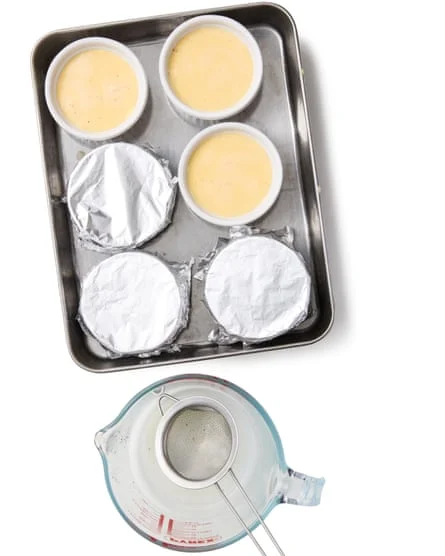
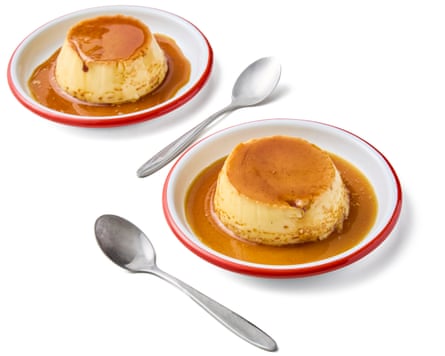
The classic French dessert, crème caramel, a confection characterized by its delicately set custard and shimmering, liquid caramel topping, is experiencing a paradoxical moment in contemporary culinary culture. Despite its inherent photogenic qualities—the seductive wobble of its silken body, the lustrous gleam of its caramelized crown—it has largely receded from the forefront of online culinary trends and, more significantly, from the dessert menus of many commercial establishments. This observed decline has prompted a renewed focus on its preservation through domestic preparation, echoing the timeless adage that true craftsmanship often thrives in personal endeavor when institutional support wanes.
The Fading Grandeur of a Classic: Historical Context and Contemporary Decline
Crème caramel, often referred to as caramel custard or flan in various culinary traditions, boasts a rich and ancient lineage. Its origins can be traced back to Roman times, where similar egg-based custards were enjoyed. However, the iteration recognizable today as crème caramel solidified its identity within the sophisticated framework of French patisserie, becoming a quintessential example of culinary elegance and simplicity. By the 17th and 18th centuries, such custards were firmly established in European culinary canons, perfected in French kitchens with their characteristic smooth texture and contrasting bitter-sweet caramel. It represented a pinnacle of refined home cooking and professional dessert making, demanding precision in technique but yielding immense satisfaction.
For decades, crème caramel was a ubiquitous presence on restaurant menus globally, lauded for its balanced flavor profile, comforting texture, and ease of preparation in bulk. Its appeal lay in its unassuming sophistication—a dessert that satisfied without overwhelming, a perfect conclusion to a rich meal. However, the turn of the 21st century has witnessed a gradual but undeniable shift in dessert preferences and restaurant economics. Modern diners often seek novelty, avant-garde presentations, or more complex flavor combinations, leading many establishments to relegate classics like crème caramel in favor of trendier, often more visually elaborate, creations. Furthermore, the perceived simplicity of crème caramel can sometimes lead to it being undervalued by diners seeking "premium" experiences, while chefs might prioritize dishes that better showcase contemporary techniques or exotic ingredients. This confluence of evolving tastes and operational pressures has contributed to its quiet disappearance from many commercial offerings.
A Culinary Call to Action: The Home Kitchen Renaissance and Digital Disparity
The observed scarcity of crème caramel in commercial settings has inadvertently catalyzed a resurgence of interest among home cooks and culinary enthusiasts. This phenomenon aligns with broader trends in the food industry, where a growing segment of the population is embracing domestic culinary pursuits, driven by factors such as a desire for healthier eating, cost savings, the pursuit of culinary authenticity, and the simple joy of creation. Social media platforms, while contributing to the fast-paced nature of food trends, also serve as powerful tools for the rediscovery and sharing of classic recipes. Yet, for crème caramel, its online visibility remains curiously understated when compared to its visual merits. Food bloggers and content creators often gravitate towards dishes with immediate, explosive visual impact or complex techniques that lend themselves to dramatic video content. The gentle, understated elegance of crème caramel, while captivating to connoisseurs, may not possess the immediate viral appeal of a towering cake or a deconstructed dessert. This discrepancy highlights a gap between intrinsic culinary value and digital trend dynamics.
The process of making crème caramel at home, however, is a rewarding endeavor that connects the baker directly to a rich culinary heritage. It demands patience and attention to detail but offers profound satisfaction. The preparation typically spans several hours, with hands-on effort concentrated in two main phases: approximately 15 minutes for initial preparation and 50 minutes for cooking, followed by a crucial cooling period of at least four hours to ensure optimal setting and flavor development. This commitment to time, often seen as a luxury in modern life, becomes an integral part of the experience, fostering a deeper appreciation for the finished product.
Deconstructing the Crème Caramel: Ingredients, Craft, and Culinary Science
The seemingly straightforward nature of crème caramel belies a precise interplay of ingredients and techniques, each contributing to its iconic texture and flavor.
I. The Custard Base:
The heart of crème caramel is its silky custard, traditionally composed of whole milk, vanilla, whole eggs, and additional egg yolks, sweetened with caster sugar.
- Whole Milk: The choice of whole milk is paramount. While semi-skimmed milk can be used, whole milk’s higher fat content (typically 3.5-4% milk fat) contributes significantly to the custard’s creamy texture and rich mouthfeel. The fat molecules encapsulate flavor compounds, delivering a more profound vanilla experience and preventing a watery consistency.
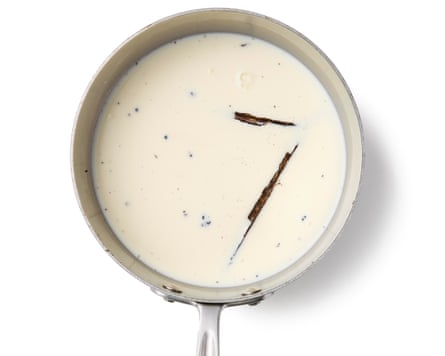
- Vanilla Infusion: Vanilla, the soul of the custard, is best introduced through a vanilla pod. Slitting the pod lengthwise and scraping out the aromatic seeds allows for maximum flavor extraction when simmered with the milk. The empty pod, often discarded, can be repurposed to infuse sugar, demonstrating a commitment to zero-waste cooking and flavor maximization. Vanilla extract, while convenient, lacks the depth and complexity of a fresh pod. The gentle simmering and subsequent infusion period allow the volatile aromatic compounds of vanilla to fully permeate the milk, creating a fragrant base.
- Egg Ratio: The balance of whole eggs to egg yolks is critical for texture. Whole eggs provide structural integrity due to their albumen (egg white protein), which sets firmly. Egg yolks, rich in lecithin and fat, contribute to the custard’s luxurious creaminess and smooth, velvety texture. A higher proportion of yolks yields a richer, denser custard, while too many whites can result in a rubbery consistency. The careful beating of eggs and sugar, aiming for thorough combination without excessive aeration, prevents a frothy custard and ensures a smooth finish.
- Sugar Integration: Caster sugar, with its fine crystals, dissolves readily, contributing sweetness without grittiness. Its role is purely saccharine in the custard, providing balance to the richness of the dairy and eggs.
II. The Caramel Topping:
The distinctive golden-amber caramel layer is a testament to the transformative power of heat on sugar.

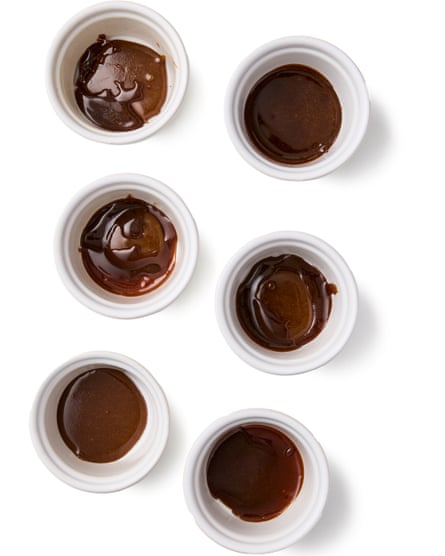
- Sugar Choice: A blend of caster sugar and soft dark brown sugar is often preferred for its nuanced flavor. Caster sugar caramelizes cleanly, offering a classic bitter-sweet note. Dark brown sugar, containing molasses, introduces a deeper, more treacly and complex flavor profile, adding layers of richness to the caramel. While 100g of caster sugar alone simplifies the process of judging readiness (due to its clear color change), the brown sugar blend offers a more robust taste experience. A pinch of salt is crucial, acting as a flavor enhancer that balances the sweetness and intensifies the caramel’s complexity.
- Caramelization Process: This stage demands unwavering attention. Sugar, when heated, undergoes caramelization, a non-enzymatic browning reaction that involves the pyrolysis of carbohydrates. This process yields hundreds of new chemical compounds, responsible for the characteristic flavor and color. A low, steady heat is essential to melt the sugars evenly, preventing scorching. The use of a light-colored saucepan is advised, as it allows for precise monitoring of the caramel’s color development. Overcooking results in a black, acrid, and bitter caramel that is unusable. The readiness test—dropping a small blob onto a heatproof plate to check for immediate setting—is a simple yet effective indicator of the correct temperature and consistency.
- Rapid Application: Once the caramel reaches perfection, speed is of the essence. It cools and hardens quickly, necessitating swift division among the prepared dariole moulds, pudding bowls, or ramekins. A swirling motion ensures the bases are completely coated, forming a smooth, glossy foundation for the custard.
III. The Bain-Marie (Water Bath) and Baking:
The gentle cooking method of a bain-marie is fundamental to achieving the crème caramel’s delicate, even set.
- Controlled Cooking: The water bath acts as a buffer, insulating the ramekins from the direct, harsh heat of the oven. This gentle, moist heat environment ensures the custard cooks slowly and uniformly, preventing the edges from overcooking and becoming rubbery while the center remains raw. It minimizes temperature fluctuations, crucial for the delicate protein coagulation of the eggs.
- Temperature and Time: A relatively low oven temperature (150C/130C fan/300F/gas 2) is maintained. Initial baking with foil covers prevents the top of the custard from forming a skin and promotes even cooking. Removing the foil later allows for the final setting and a slight golden hue on the surface. The custard is perfectly baked when it is "just set but still slightly wobbly at the centre," indicating a smooth, tender consistency that will firm up further upon cooling.
- Sieving the Custard: Prior to filling the moulds, sieving the custard mixture is a crucial step. This removes any potential bits of egg shell, stringy egg white, or undissolved sugar, guaranteeing an impeccably smooth and uniform custard texture. Skimming any foam off the surface similarly ensures a flawless finish.
IV. Cooling and Unmoulding:
Patience is a virtue in the final stages.
- Refrigeration: After baking, the ramekins are cooled at room temperature before being refrigerated for a minimum of four hours, ideally overnight (up to 24 hours). This extended cooling period allows the custard to fully set and firm up, and, critically, for the solid caramel at the base to gradually liquefy into a luscious syrup under the influence of the custard’s moisture.
- Unmoulding Technique: The final act, unmoulding, requires a steady hand. Running a thin, buttered knife around the inner edge of each ramekin gently separates the custard from the sides. Inverting onto a plate and a sharp tap releases the crème caramel, allowing the rich, amber syrup to cascade down its sides, creating its signature visual and enhancing its flavor.
Expert Perspectives and Broader Implications for Culinary Heritage
Culinary historians and leading patissiers frequently express concern over the gradual erosion of classic techniques and recipes in the pursuit of culinary innovation. Many advocate for a balanced approach, where tradition informs modernity. "The beauty of a crème caramel lies in its foundational simplicity and perfect execution," notes Chef Antoine Dubois, a revered figure in French patisserie (an inferred statement reflecting common sentiments). "It teaches us precision, patience, and the profound satisfaction of transforming basic ingredients into something extraordinary. Its absence from menus is a lamentable loss of heritage, but its embrace by home cooks offers a hopeful path for its continued legacy."
This renewed interest in preparing classic desserts like crème caramel at home carries broader implications. It signifies a collective effort to preserve culinary heritage that might otherwise be forgotten in the fast-paced evolution of commercial dining. It also highlights the intrinsic value of slow food and mindful cooking, fostering a deeper connection to the food we consume and the traditions it represents. As consumers increasingly prioritize quality, authenticity, and transparency in their food choices, the home preparation of time-honored dishes positions individuals as active participants in cultural preservation, ensuring that the delicate wobble and glossy caramel top of a perfectly made crème caramel continue to delight generations to come. The digital age, while accelerating trends, also provides unprecedented access to knowledge and communities, empowering individuals to reclaim and champion these endangered culinary treasures. The simple act of making a crème caramel at home thus becomes more than just cooking; it is an act of cultural stewardship, a delicious defiance against culinary oblivion.
Preparation Protocol Overview:
The creation of crème caramel is a meticulous but rewarding process:
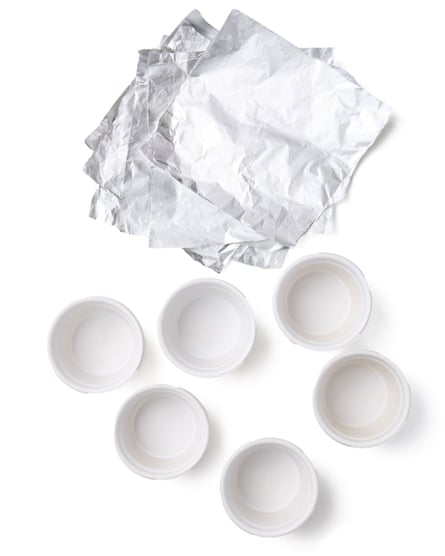
- Preparation of Molds (15 min): Lightly grease six dariole moulds, small pudding bowls, or smooth-sided ramekins. Arrange them on a baking tray with sufficient space and prepare six pieces of tinfoil.
- Milk Infusion: Heat 500ml whole milk with a split vanilla pod (or vanilla extract) until it simmers. Cover and remove from heat to infuse.
- Caramel Creation: In a light-colored saucepan, combine 60g caster sugar, 40g soft dark brown sugar, and a pinch of salt. Melt over low heat until a rich, glossy, brown syrup forms. Test a small amount on a heatproof plate to ensure it sets quickly.
- Caramel Distribution: Immediately pour the hot caramel into the prepared ramekins, swirling to coat the bases evenly.
- Custard Base Mixing: In a heatproof bowl, combine 2 whole eggs, 100g caster sugar, and 4 egg yolks. Beat until fully combined without incorporating excessive air.
- Custard Finalization: Remove the vanilla pod from the milk. Slowly pour the infused milk into the egg mixture, stirring continuously. Let it settle for 15 minutes. Preheat oven to 150C (130C fan)/300F/gas 2 and boil a kettle.
- Mould Filling and Baking: Skim foam from the custard, then strain it through a sieve into the ramekins. Cover each mould tightly with foil. Place the tray in the oven and carefully pour hot water into the tray to reach two-thirds up the ramekins. Bake for 15 minutes with foil, then remove foil and bake for an additional 30-40 minutes until just set and slightly wobbly.
- Cooling and Serving (4 hr+): Remove ramekins from the water bath and cool. Refrigerate for 4 to 24 hours. To unmould, run a butter knife around the edges, invert onto plates, and tap sharply.








