
 Reynand Wu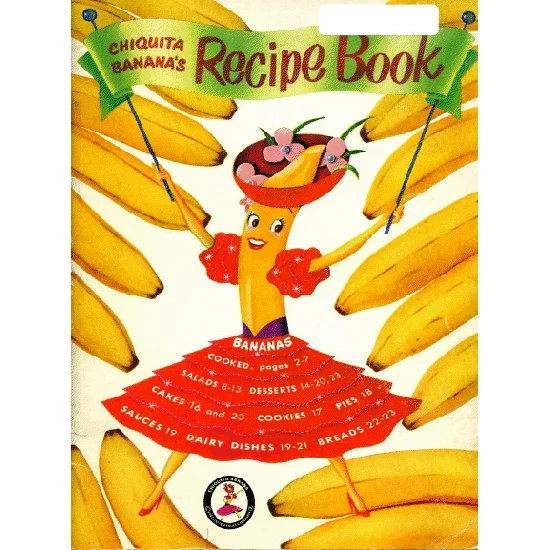
Over the course of the past year, M&M’s, the iconic chocolate candies, have been at the epicenter of a swirling public debate, dominating news cycles, social media feeds, and even Super Bowl commercials. This unexpected foray into the cultural zeitgeist began not with a new flavor or innovative product, but with subtle changes to the beloved anthropomorphic candy mascots, sparking a dialogue far more complex than simple brand aesthetics.
The Genesis of Change: A Push for Inclusivity
The roots of the controversy trace back to January 2022, when Mars Wrigley, the parent company of M&M’s, announced a global brand refresh. The stated aim was to create a more inclusive and representative world for its characters, aligning with contemporary societal values. The changes were initially minor, focusing on the footwear and demeanor of the female M&M’s characters. Specifically, the brown M&M, traditionally portrayed with high heels, had her footwear subtly altered to a lower, block heel, described by the company as a "more comfortable" and "empowering" choice. More notably, the green M&M, long depicted in go-go boots and often presented as overtly flirtatious, had her iconic boots replaced with sneakers.
Mars Wrigley’s official statements at the time emphasized their commitment to "creating a world where everyone feels they belong," and that the brand’s evolution was intended to reflect a "more dynamic, progressive world." The company articulated that the goal was to highlight the personalities of its characters, rather than their gendered physical attributes, moving away from stereotypes to foster a sense of belonging and community. This strategic pivot was part of a broader trend among major corporations seeking to align their brands with Diversity, Equity, and Inclusion (DEI) principles, often in response to evolving consumer expectations and social movements. For instance, a 2021 study by Accenture revealed that 41% of consumers are choosing brands that align with their values, indicating a strong market incentive for such shifts.
The Outcry: Media Backlash and Cultural Divides
What resulted from these seemingly innocuous changes was an unexpectedly fierce public backlash, amplified primarily by conservative media personalities. The most prominent voice in this chorus of criticism was Tucker Carlson, then a host on FOX News, who quickly became the face of the opposition. Carlson lampooned the brand’s efforts, stating, "M&M’s will not be satisfied until every last cartoon character is deeply unappealing and totally androgynous." His remarks, delivered to a nightly audience of millions, framed the changes as an attack on traditional gender roles and an example of "woke" corporate overreach.
Carlson’s sentiment resonated with a segment of the public and other media outlets, fueling a narrative that accused Mars Wrigley of capitulating to political correctness. The debate extended beyond Carlson, with numerous commentators expressing dismay over the perceived feminization or desexualization of the characters. For example, in a Rolling Stone article titled, "Let the Green M&M Be a Nasty Little Slut," senior writer EJ Dickson articulated a different, albeit still critical, perspective. Dickson argued, "The green M&M has spent decades building her brand as a horny, sexy bitch, and for what? For her creators to give her Larry David footwear in the name of feminism?" This take, while opposing Carlson’s conservative stance, still highlighted a cultural attachment to the established, often sexualized, portrayals of the characters, albeit from a position advocating for female agency and choice in how femininity is expressed. The convergence of critiques from different ideological angles underscored the complexity of gender representation in popular culture and the diverse interpretations of "empowerment."
Escalation and Corporate Retreat: The Purple M&M and Spokescandy Suspension
The controversy reignited in September 2022 with the debut of the purple M&M, the brand’s first new female character in a decade. Introduced as a symbol of "self-acceptance and authenticity," the purple M&M was depicted with a more rounded physique and a personality focused on embracing individuality. Her introduction, intended to further Mars Wrigley’s inclusivity goals, instead provided fresh ammunition for critics.
Tucker Carlson swiftly returned to the fray, escalating his rhetoric. On FOX News, he remarked, "The green M&M got her boots back, but apparently is now a lesbian maybe? And now there’s a plus-sized, obese purple M&M." These comments, widely seen as disparaging and inflammatory, propelled the M&M’s mascots back into the national spotlight, transforming a marketing decision into a flashpoint in the broader "culture wars." The sustained and increasingly vitriolic criticism prompted Mars Wrigley to take drastic action. In late January 2023, the company announced a "temporary pause" in the use of its anthropomorphic "spokescandies," acknowledging that the characters had become "polarizing." In their place, they introduced comedian Maya Rudolph as the brand’s new spokesperson, a move widely interpreted as an attempt to de-escalate the controversy and pivot away from the highly scrutinized mascots.
Historical Context: The Pervasiveness of Sexualization in Advertising
The M&M’s saga is not an isolated incident but rather a contemporary illustration of a long-standing practice within advertising: the sexualization of commercial food products, particularly those associated with female characters. This strategy, aimed at increasing consumer appeal, has deep historical roots.
One prominent example is the Chiquita Banana. Debuting in the 1940s, Miss Chiquita Banana was the world’s first branded fruit and quickly became an advertising icon. Her original portrayal was explicitly racialized and sexualized to appeal to the American market. Often depicted with a flirtatious wink, eye-rolling, frilly dresses, and heavy lipstick, her femininity was overtly exaggerated and tied to a stereotypical Latin American persona. This hypersexualized imagery was a deliberate marketing tactic designed to create an alluring and memorable brand identity, reinforcing gender and racial stereotypes prevalent at the time.
M&M’s itself has historically employed a similar strategy, particularly with its female spokescandies. The green M&M, in particular, was often cast in overtly erotic roles in commercials. She has been pictured in suggestive poses, engaging in acts interpreted as pole dancing, stripping, or even fondling chocolate. These portrayals went beyond mere characterization, often featuring male M&M’s characters ogling her in the background. This reinforces the concept of the "male gaze," a term coined by film critic Laura Mulvey, which describes the pervasive way in which women in media are depicted from a masculine, heterosexual perspective, serving as passive "objects" of male sexual desire rather than subjects with their own agency. A 2022 study published in Sex Roles highlighted how such depictions in advertising contribute to the objectification of women, confirming that viewers, particularly men, are more likely to perceive women as objects when exposed to sexualized imagery.
Sociological Framework: Emphasized Femininity and Hegemonic Masculinity
The intense reaction to the M&M’s character redesigns can be deeply understood through sociological lenses, particularly the concepts of emphasized femininity and hegemonic masculinity.
Emphasized femininity refers to a set of traditional feminine norms and behaviors that are encouraged in women, primarily to accommodate men’s sexual appetites and desire for control. This construct legitimizes the gender hierarchy, where men hold dominant positions, and upholds various forms of oppression by prescribing specific, often submissive or ornamental, roles for women. These norms often dictate that women should be physically attractive, nurturing, and emotionally supportive, prioritizing male needs and desires. The "sexy bitch" persona attributed to the green M&M by some critics aligns perfectly with this framework, as her perceived value was tied to her ability to evoke male desire.
Conversely, hegemonic masculinity describes the dominant form of masculinity in a given society, which typically idealizes traits like strength, aggression, emotional stoicism, and heterosexual dominance. When women deviate from the "stereotypical cultural notions" of emphasized femininity, men who subscribe to ideals of hegemonic masculinity often "negotiate the dilemma of incorporating women’s resistance into their masculine identity projects." In the M&M’s controversy, when the female characters became less conventionally attractive or "sexy" in their updated designs, those who identify with hegemonic masculinity perceived it as a threat. Their outrage stemmed from a sense that their sexual desires, even in relation to a cartoon candy mascot, were not being catered to, indicating a deeply ingrained expectation of female accommodation.
This reaction reveals a societal tendency where women face the prospect of being labeled "socially undesirable" when they possess characteristics deemed "masculine" or deviate from traditional feminine ideals. Carlson’s pronouncements, such as "When you’re totally turned off, we’ve achieved equity," encapsulate this sentiment. In a patriarchal society, a woman who exhibits defiance, authority, or a lack of overt sexual availability can be perceived as threatening to male dominance. This threat often leads to attempts to "stigmatize and feminize their behavior" as a means of reasserting control. Consequently, a woman who steps outside these narrow gender roles is often no longer a "good girl" but is instead cast as a "bitch," "lesbian," or "slut." The underlying message is clear: for women to be valued by men within these frameworks, they are expected to be subservient to the male gaze and uphold norms of emphasized femininity.
Broader Impact and Implications: The Harm of Hypersexualization
The hypersexualization of women in media, whether through candy mascots or human actors, has profoundly detrimental effects, particularly on young people. Adolescents’ constant exposure to a sexualized media environment significantly contributes to their recognition of women as primarily sex objects. This pervasive objectification leads to an internalization of the idea that a woman’s most valuable attribute is her physical appearance and sexual appeal.
When women and young girls consistently see their bodies objectified, they can develop self-objectification, where they adopt an external, third-person perspective on their own bodies, constantly evaluating their physical appearance. Research indicates that this can lead to a range of negative outcomes, including body image issues, eating disorders, anxiety, depression, and reduced academic or career aspirations. They become acutely aware that they are often seen as "sexual playthings waiting to please men’s sexual desires" and may begin to feel unworthy if they do not meet society’s often unattainable beauty standards. It is particularly concerning when even children’s candy mascots contribute to this narrative, blurring the lines between innocent play and sexualized imagery. A comprehensive review of studies by the American Psychological Association found that the sexualization of girls and women in media contributes to serious consequences, including lower self-esteem, negative body image, and increased vulnerability to depression and eating disorders.
The M&M’s controversy, though ostensibly about candy, sends a powerful and damaging message. When a change to a female M&M’s shoe or the introduction of a more diverse character elicits such outrage and vitriolic commentary from prominent media figures, it communicates that female representation is acceptable only within narrow, often sexualized, parameters. While the notion of a "culture war" waged against M&M’s may appear ludicrous on the surface, the real-world implications of such widespread public discourse are significant. Words have power, and the narratives propagated through these debates reinforce harmful gender stereotypes and contribute to an environment where women’s autonomy and diverse expressions of femininity are challenged.
Corporate Strategy and Public Discourse: Navigating the Culture Wars
Mars Wrigley’s initial decision to update its mascots was likely a calculated move to modernize its brand image and appeal to a broader, more values-driven consumer base. This aligns with broader corporate trends to embrace DEI initiatives, which are increasingly seen as not just ethical imperatives but also good business practices. However, the intensity of the backlash highlights the challenges companies face in navigating a deeply polarized public discourse, particularly when issues intersect with identity politics and traditional values.
The reaction from figures like Tucker Carlson demonstrates the immense influence media personalities wield in shaping public opinion and weaponizing seemingly minor corporate decisions into major cultural battlegrounds. Their ability to frame a brand refresh as an attack on societal norms or an embrace of "wokeness" can force companies into difficult positions, balancing their progressive ambitions with the risk of alienating a significant segment of their consumer base. Mars Wrigley’s eventual decision to pause the use of its spokescandies and introduce Maya Rudolph suggests a corporate retreat, prioritizing brand stability over the continuation of a polarizing marketing strategy. This reflects the commercialization of outrage, where controversy can be manufactured and leveraged for media attention, ultimately impacting corporate decision-making.
Conclusion: Enduring Lessons and Ongoing Debates
The M&M’s mascot controversy, while seemingly trivial, offers a profound case study in the ongoing societal struggle over gender representation, media influence, and corporate responsibility. It underscores how deeply ingrained gender norms, particularly those related to emphasized femininity and hegemonic masculinity, continue to shape public perception and provoke strong reactions when challenged. The vicious cycle of sexualizing women, whether mascots or real individuals, for profit, must be critically examined and ultimately brought to an end. Moreover, prominent figures in media and politics have a responsibility to recognize that the amplification of outrage, particularly when it targets efforts toward inclusivity, has tangible and harmful real-world implications for individuals and society at large. The debate surrounding M&M’s serves as a stark reminder that even the most seemingly innocuous elements of popular culture are fertile ground for discussing deeply entrenched social dynamics and the continuous evolution of our collective values.









