Ferry Irwandi
The cinematic journey of Bridget Jones, the quintessential British heroine created by author Helen Fielding, has served as a two-decade love letter to the city of London. Since the first film debuted in 2001, the franchise has not only captured the chaotic romantic life of its protagonist but has also documented the architectural and cultural evolution of the United Kingdom’s capital. From the cobblestoned alleys of Borough Market to the leafy vistas of Hampstead Heath, the filming locations of the Bridget Jones series—comprising Bridget Jones’s Diary (2001), Bridget Jones: The Edge of Reason (2004), Bridget Jones’s Baby (2016), and the upcoming Bridget Jones: Mad About the Boy—have become landmarks for "set-jetting" tourists and film historians alike.
The franchise’s impact on London’s global image is significant. By framing the city through a lens of "endearing chaos," the production team has successfully blended gritty urban realism with aspirational romanticism. As the series moves into its fourth installment, the shift in locations reflects Bridget’s own maturation, moving from the transitional energy of Southwark to the established, community-focused atmosphere of North London.
The Evolution of a Cultural Phenomenon: A Franchise Chronology
To understand the significance of the filming locations, one must first examine the timeline of the Bridget Jones franchise. The character first appeared in a column in The Independent in 1995, capturing the zeitgeist of "Cool Britannia." The transition to the silver screen in 2001 was a massive commercial success, with the first film grossing over $281 million worldwide against a $25 million budget.

Following the success of the debut, The Edge of Reason was released in 2004, further cementing London’s South Bank and various international locales as central to the narrative. A twelve-year hiatus followed before Bridget Jones’s Baby arrived in 2016, a film that saw Bridget navigating the complexities of middle age and motherhood. The latest production, Mad About the Boy, based on Fielding’s 2013 novel, began filming in 2024. This new chapter introduces a widowed Bridget navigating the digital dating age, a narrative shift that necessitated a move to more domestic, "village-like" neighborhoods such as Hampstead.
Borough Market: The Architectural Heart of the Series
For many fans, the definitive image of Bridget Jones is her apartment located above The Globe pub at 8 Bedale Street, situated in the heart of Borough Market. In the early 2000s, this area of Southwark was a bustling wholesale market, characterized by its Victorian railway viaducts and industrial grit. Today, it has transformed into one of the world’s premier food destinations.
While a junior publicity assistant—Bridget’s original role—living in a spacious flat in such a central location would be financially improbable in today’s real estate market, the setting provided a visual shorthand for her independent, urban lifestyle. The market served as the backdrop for several pivotal scenes, including the first film’s iconic snow-covered finale.
Data from London’s tourism boards suggests that Borough Market remains one of the most visited filming locations in the city. On weekends, the area sees thousands of visitors who frequent stalls such as Bread Ahead and The Ginger Pig, both of which have become synonymous with the modern London culinary experience. The market’s longevity—dating back to at least the 11th century—mirrors the enduring nature of the franchise itself.

Hampstead Heath and the Shift to North London
In Mad About the Boy, the production moved its primary focus to Hampstead, a neighborhood known for its intellectual history and vast parklands. This relocation marks a significant departure from the central London hustle of the previous films. Director Michael Morris emphasized that Hampstead was chosen for its "village and community feel," offering a contrast to the anonymity of the city center.
Hampstead Heath, spanning 790 acres, provides a spectacular backdrop for the film’s exploration of Bridget’s new life. The area has long been a sanctuary for writers and artists, including John Keats and George Orwell, making it a fitting setting for a character who has spent her life documenting her thoughts in diaries. The transition to North London represents Bridget’s entry into a different socioeconomic and social tier, moving from the "singleton" hub of Southwark to the more family-oriented, affluent enclave of NW3.
South Kensington and the Aesthetic of White Stucco
The production of the latest film also heavily utilized the streets of South Kensington. Known for its grand, white stucco-fronted houses and proximity to major cultural institutions like the Victoria and Albert (V&A) Museum, South Kensington offers a visual aesthetic distinct from the rest of the city.
Michael Morris noted that the inclusion of South Kensington was vital for establishing the film’s tone. One of the early scenes in Mad About the Boy features a view of a typical South Kensington street with its signature white pillars, with the V&A museum visible in the background. This location is used to introduce the return of Mark Darcy (Colin Firth), utilizing the neighborhood’s inherent elegance to underscore the character’s gravitas.

Notting Hill and the Electric Cinema
The franchise has frequently returned to West London, specifically the pastel-colored streets of Notting Hill. In Mad About the Boy, Bridget is seen on a date with a younger man, Roxster McDuff (played by Leo Woodall), at the Electric Cinema on Portobello Road.
The choice of the Electric Cinema is historically significant. Opened in 1910, it is one of the oldest working cinemas in the country and was the first Black-owned cinema in the UK. By featuring such a location, the production team pays homage to London’s cinematic heritage while grounding Bridget’s romantic escapades in a venue that feels both classic and contemporary.
Hyde Park and the Italian Gardens: A Site of Clumsy Rivalry
One of the most memorable sequences in the second film, The Edge of Reason, takes place in the Italian Gardens at the northern edge of Kensington Gardens, near Hyde Park. This 150-year-old ornamental water garden, reportedly a gift from Prince Albert to Queen Victoria, served as the site of a physical confrontation between Mark Darcy and Daniel Cleaver (Hugh Grant).
The use of the Italian Gardens for a "fist fight" between two upper-middle-class rivals provided a comedic juxtaposition. The refined, sputtering fountains and classical statues stood in sharp contrast to the ungainly, uncoordinated brawl. This scene remains a fan favorite, highlighting the franchise’s ability to use London’s most formal spaces for its most ridiculous moments.

Shoreditch and the Late-Night Culture of the East End
In The Edge of Reason, the narrative also ventured into Shoreditch, specifically The Light Bar on Shoreditch High Street. At the time of filming, Shoreditch was emerging as the center of London’s creative and nightlife industries. The Light Bar, housed in a former Victorian electrical substation built in 1893, provided a trendy, industrial setting for Bridget and her friends to dissect their personal lives.
The inclusion of Shoreditch reflected the franchise’s awareness of shifting social trends in the city. As the "cool" center of gravity moved East in the mid-2000s, so did Bridget’s social circle. Today, the area is a primary example of urban regeneration, with The Light Bar continuing to operate as a high-end restaurant and social hub.
Bloomsbury and the Role of Institutional London
The third film, Bridget Jones’s Baby, utilized the academic and medical district of Bloomsbury. University College Hospital (UCH) served as the primary setting for the film’s third act. Bloomsbury, traditionally associated with the "Bloomsbury Set" of intellectuals like Virginia Woolf, provided a sober, functional backdrop for the high-stakes comedy of Bridget’s pregnancy.
The scenes at UCH featured a cameo by Emma Thompson as Dr. Rawlings. The use of a real, functioning hospital—rather than a set—added a layer of authenticity to the film’s portrayal of the National Health Service (NHS), an institution as central to British life as Bridget Jones herself.

Richmond and the Luxury of Petersham House
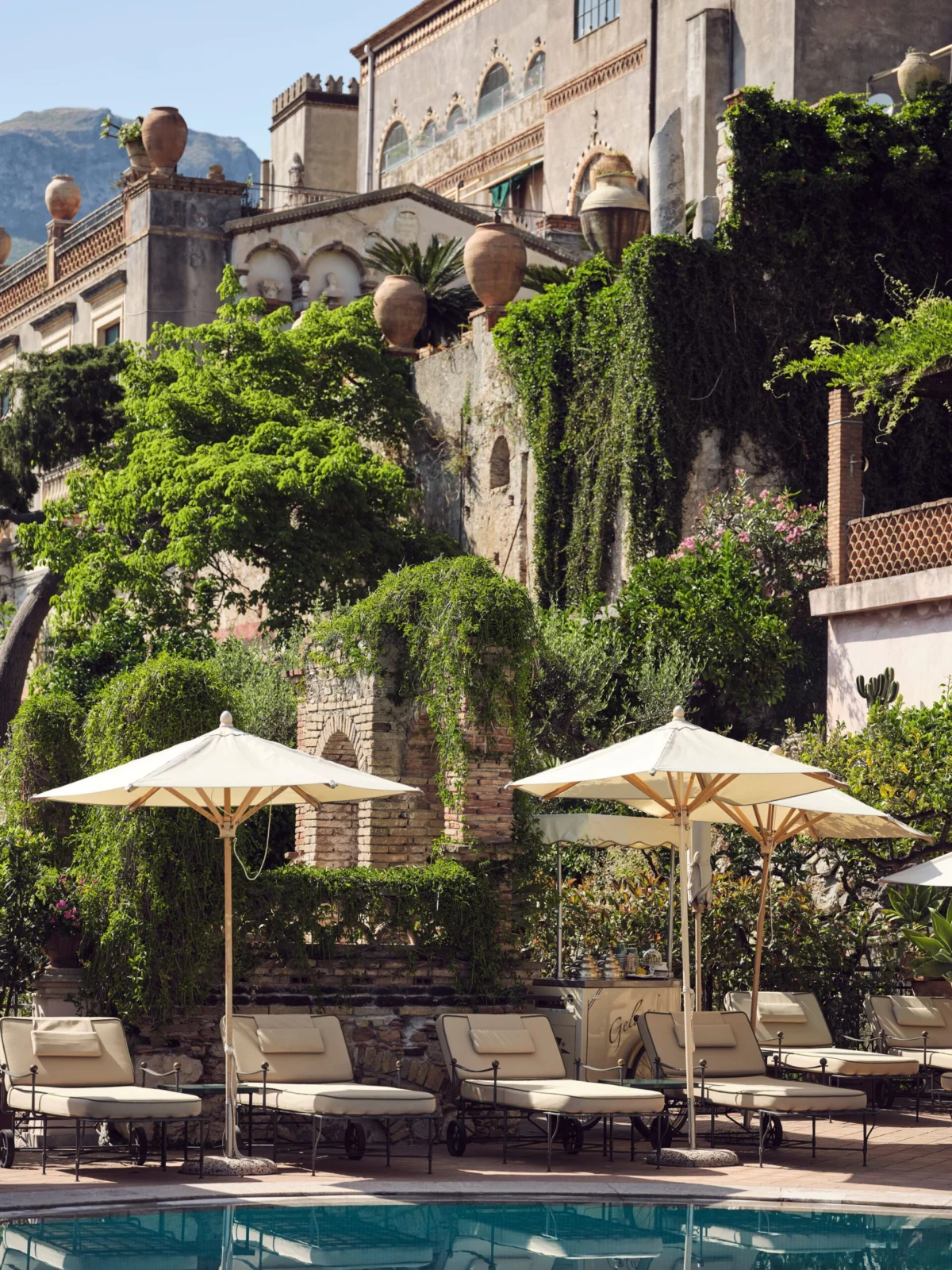
The upcoming Mad About the Boy features scenes shot in Richmond, specifically at Petersham House. This leafy suburb on the Thames is often cited as one of the most desirable places to live in the UK. The production filmed in the private gardens of the residence, where a key scene involves Roxster McDuff jumping into a swimming pool to rescue a dog.
Director Michael Morris described the location as "stunningly beautiful," noting that the private residence was secured for two days of filming. The logistics involved multiple takes and underwater cameras to capture the sequence. The choice of Richmond reinforces the film’s move toward a more pastoral, high-end version of London life.
Broader Impact and the "Set-Jetting" Economy
The legacy of the Bridget Jones filming locations extends beyond the screen and into the local economy. According to data from VisitBritain, film and television are among the most powerful drivers of tourism to the UK. A 2023 report indicated that nearly one-third of potential visitors are interested in visiting locations they have seen on screen.
The "Bridget Jones effect" has specifically benefited the Southwark and Borough area. Real estate experts note that the global exposure of Bedale Street has contributed to the neighborhood becoming one of the most sought-after residential and commercial districts in London. Furthermore, the franchise has helped sustain the "romanticized London" brand, which remains a vital component of the city’s multi-billion-pound tourism industry.

Analysis of Implications: London as a Narrative Anchor
The strategic selection of filming locations across the four movies suggests a deliberate effort to evolve the setting alongside the protagonist. In the early films, London was a playground for a young professional—messy, central, and full of possibility. In the later installments, the city becomes a place of stability, community, and historical depth.
By moving Bridget from the industrial heritage of Borough to the intellectual heritage of Hampstead, the filmmakers have mirrored the life cycle of many Londoners who migrate from the center to the "villages" as they age. This geographic progression ensures that while the plots may be fictional, the sense of place remains grounded in the actual lived experience of the city’s inhabitants. As Mad About the Boy prepares for release, it is clear that the relationship between Bridget Jones and London remains one of the most successful partnerships in contemporary British cinema.