Ferry Irwandi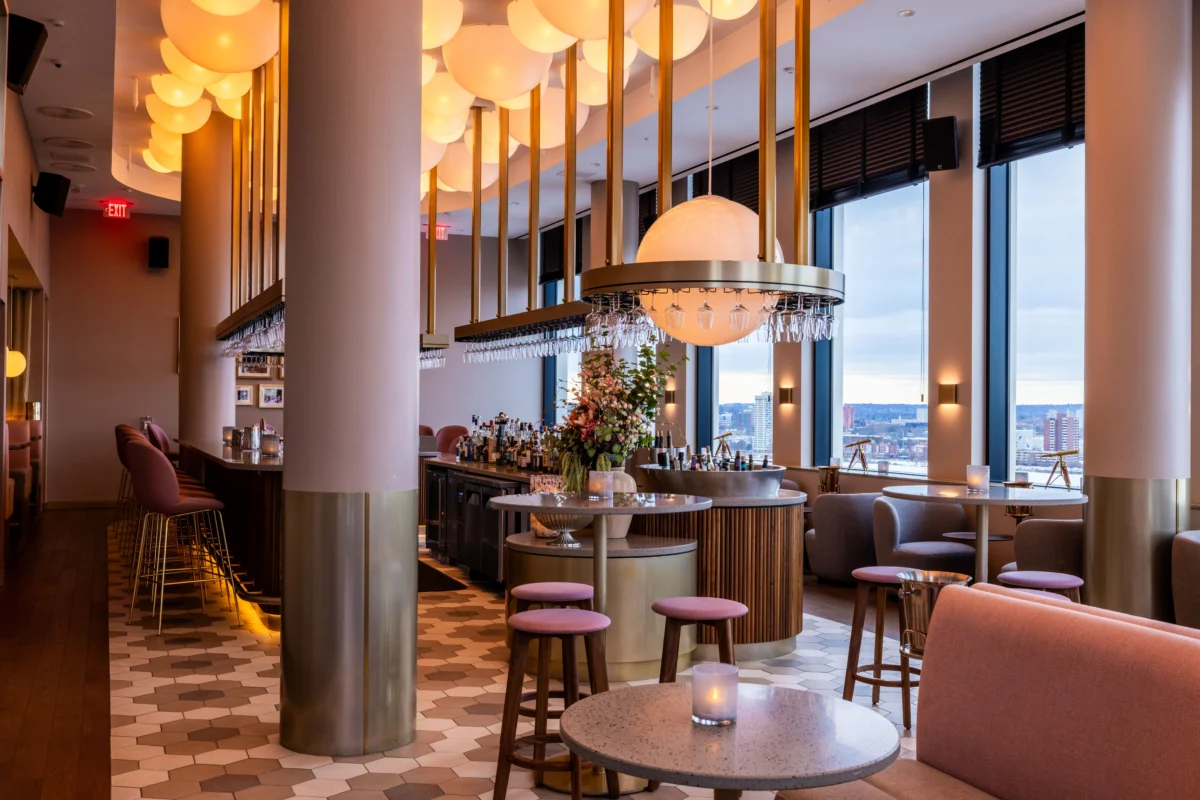
Boston has long maintained a reputation as a global epicenter for higher education, cutting-edge medical research, and American revolutionary history. However, in recent decades, the city’s identity has expanded to include a sophisticated and diverse hospitality sector that rivals other major metropolitan hubs like New York and London. While the city’s historical narrative often centers on the 1773 Boston Tea Party—an event fueled, according to many historians, by discussions held over rum-and-whiskey punch in local taverns—the modern drinking culture in Massachusetts’ capital is defined by a blend of global influences, artisanal craftsmanship, and a growing emphasis on inclusivity and temperance-friendly options. This transformation represents a significant shift from the traditional "Irish pub" archetype that dominated the city’s social landscape for much of the 20th century.
Historical Context: From Colonial Taverns to Prohibition
The history of social drinking in Boston is inextricably linked to the birth of the United States. In the 18th century, taverns like the Green Dragon served as the "headquarters of the Revolution," where political figures such as Paul Revere and Samuel Adams met to debate colonial policy. During this era, punch bowls filled with spirits, citrus, and sugar were the primary social lubricant. Following the Revolutionary War, Boston’s maritime trade brought an influx of international spirits, particularly rum from the Caribbean, which became a staple of the local economy.
The 20th century brought significant challenges to the industry. The era of Prohibition (1920–1933) forced Boston’s drinking culture underground, giving rise to a network of speakeasies that laid the groundwork for the city’s modern fascination with "hidden" bars. Following the repeal of the 18th Amendment, Massachusetts implemented some of the nation’s strictest liquor laws, many of which remain in place today. For example, the Commonwealth remains one of the few states to maintain a ban on "Happy Hour" drink specials, a regulation enacted in 1984 to combat drunk driving. Despite these regulatory hurdles, the city’s bar scene began to modernize in the late 1990s and early 2000s, moving away from high-volume establishments toward craft-oriented venues.
The Modern Landscape: Data and Economic Impact
The hospitality industry is a vital pillar of the Boston economy. According to data from the Massachusetts Restaurant Association and the Greater Boston Convention & Visitors Bureau, the food and beverage sector accounts for a significant percentage of the city’s annual tax revenue and employs tens of thousands of residents. In 2023, Boston’s tourism sector saw a robust recovery, with millions of visitors contributing to a multi-billion dollar hospitality market.
A key driver of this growth has been the diversification of the "nightlife" experience. No longer restricted to beer and whiskey, the modern Boston bar scene is characterized by several distinct categories:
- Craft Distilleries and Breweries: The rise of local production in neighborhoods like South Boston and Everett has created a "farm-to-glass" movement.
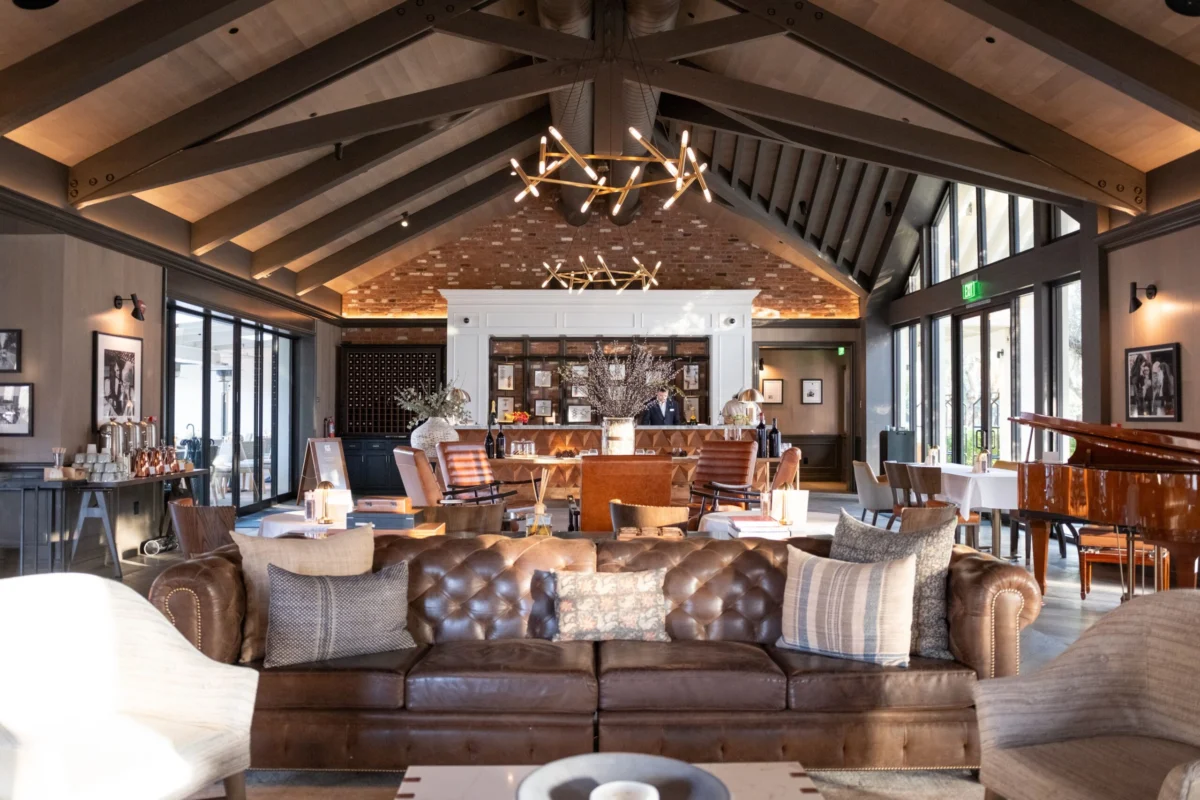
- High-End Hotel Bars: Historic addresses, such as those in the Back Bay and the Seaport District, have invested heavily in "glittering" beverage programs to attract international travelers.
- The "Mocktail" and Low-ABV Movement: Reflecting a national trend toward health and wellness, approximately 40% of high-end Boston bars now feature dedicated non-alcoholic cocktail menus, using sophisticated dealcoholized spirits and botanical infusions.
Chronology of the Craft Cocktail Movement in Boston
To understand the current state of the industry, one must look at the pivotal moments that defined the last two decades:
- 2005–2008: The opening of foundational craft cocktail bars, such as Eastern Standard in Kenmore Square (now evolved and relocated) and Drink in the Fort Point neighborhood. These establishments prioritized pre-Prohibition techniques and fresh ingredients, moving away from "sour mix" and toward hand-squeezed juices and house-made bitters.
- 2010–2015: The expansion of the Seaport District. This massive urban development project brought a wave of corporate-backed but highly sophisticated bar programs, catering to the tech and legal sectors.
- 2018–2021: A period of regulatory scrutiny and pandemic-related adaptation. The industry faced unprecedented closures but saw the temporary (and later permanent) legalization of cocktails-to-go, a move that provided a crucial lifeline for struggling businesses.
- 2023–Present: A legislative push to increase the number of liquor licenses in the city. Historically, Boston’s liquor licenses were capped by the state legislature, leading to exorbitant secondary market prices—sometimes exceeding $600,000 for a single license. Recent efforts by the Boston City Council and the Mayor’s Office have focused on creating new, non-transferable licenses specifically for under-served neighborhoods like Dorchester, Roxbury, and Mattapan to foster economic equity.
Industry Standards and Selection Criteria
The process of identifying the "best" establishments in a city as competitive as Boston involves rigorous editorial standards. For publications such as Condé Nast Traveler, the selection process is designed to be both objective and comprehensive. Editors and local contributors evaluate bars based on a specific matrix of factors:
- Quality of Beverage Program: This includes the technical skill of the bartenders, the creativity of the menu, and the quality of the ingredients used.
- Service and Hospitality: The level of professionalism and the inclusivity of the environment are paramount.
- Location and Atmosphere: How well the bar utilizes its physical space, whether it is a historic landmark or a modern architectural feat.
- Sustainability and Ethics: Increasingly, evaluators look for bars that implement waste-reduction programs, source local products, and maintain fair labor practices.
These reviews are updated periodically to reflect the volatile nature of the hospitality industry, where new openings and management changes can quickly alter the quality of the guest experience.
Official Responses and Industry Perspectives
Industry leaders emphasize that the success of Boston’s bar scene is rooted in its resilience. "Boston is a city that respects tradition but is no longer bound by it," says one local distillery owner. "We are seeing a generation of bartenders who are as much historians as they are chemists. They are looking back at what people drank in 1773 and reimagining it for a 2024 palate."
From a regulatory standpoint, city officials have expressed a commitment to making the industry more accessible. In statements regarding the expansion of liquor licenses, proponents argue that the current system has historically favored wealthy developers in the downtown core. By redistributing the ability to serve alcohol to neighborhood-level bistros and bars, the city aims to create a more "vibrant and cosmopolitan" atmosphere that extends beyond the traditional tourist zones.
Broader Impact and Implications for the Future
The evolution of Boston’s drinking culture has broader implications for urban development and social cohesion. The "third space"—a social environment separate from the two usual social environments of home and the workplace—is essential for the health of a city. As Boston continues to grow as a global hub for the "innovation economy," the demand for high-quality social spaces is expected to increase.
However, challenges remain. The high cost of living in the Greater Boston area continues to put pressure on the hospitality workforce. Labor shortages and the rising cost of goods have forced many establishments to raise prices, leading to concerns about the affordability of the city’s nightlife. Furthermore, the industry must continue to navigate the complexities of post-pandemic consumer behavior, which includes a higher demand for outdoor seating and a more scrutinized approach to health and safety.
In conclusion, Boston’s bar scene is no longer merely a footnote to its academic and historical prestige. It is a dynamic, multi-billion dollar industry that reflects the city’s complex history and its forward-looking aspirations. Whether through a hidden speakeasy in the North End or a world-class brewery in Dorchester, the city offers a "tipple" for every demographic, proving that the spirit of the 1773 Revolution lives on in the craftsmanship and community of its modern taverns. As the city moves toward the 250th anniversary of the United States, its hospitality sector stands as a testament to the enduring importance of the American social house.