Danny Garick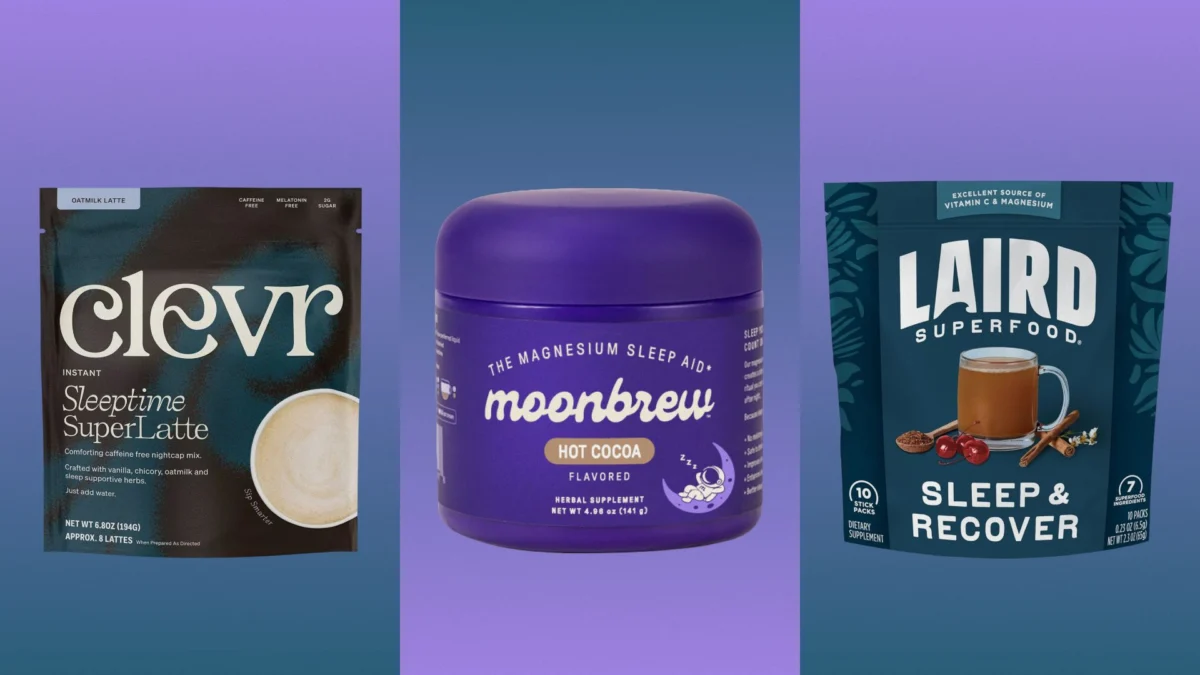
The modern wellness landscape has seen a significant shift in how consumers approach sleep hygiene, moving away from traditional pharmaceutical interventions toward functional, ingredient-led beverages. As sleep disorders and nighttime anxiety become increasingly prevalent in a hyper-connected society, the market for "sleepy time mocktails," adaptogenic lattes, and magnesium-spiked cocoas has expanded. While the appeal of these beverages often lies in their flavor profiles—ranging from sea salt caramel to tart cherry—the efficacy of these products is rooted in a complex interplay of biochemistry, psychology, and the establishment of routine.
According to the Centers for Disease Control and Prevention (CDC), approximately one-third of adults in the United States report getting less than the recommended amount of sleep. This systemic lack of rest has fueled a multibillion-dollar "sleep economy," where consumers prioritize natural alternatives over sedative medications. Registered dietitians and health professionals, including Maddie Pasquariello, MS, RDN, suggest that while certain ingredients possess sedative properties, the physiological benefit of a nighttime beverage often stems as much from the ritual of preparation as it does from the chemical compounds within the mug.
The Biochemistry of Sleep-Inducing Ingredients
To understand the rise of functional sleep drinks, one must examine the specific ingredients that dominate the labels of top-tier products. These substances generally fall into three categories: minerals, hormones, and botanical adaptogens.

Magnesium: The Relaxation Mineral
Magnesium, particularly in the form of magnesium glycinate, is a cornerstone of the sleep-drink industry. Magnesium plays a critical role in over 300 enzymatic reactions in the human body, including the regulation of neurotransmitters that signal the brain to "shut down." By binding to gamma-aminobutyric acid (GABA) receptors, magnesium helps quiet the nervous system. Research suggests that magnesium can improve sleep quality and duration, especially in individuals who are deficient in the mineral—a common condition given the prevalence of processed diets.
Melatonin: The Circadian Regulator
Melatonin is a hormone naturally produced by the pineal gland in response to darkness. In supplemental form, it is widely used to treat jet lag and shift-work sleep disorders. However, experts like Pasquariello caution that melatonin is not a universal solution. While it is effective at reducing the time it takes to fall asleep (sleep latency), it does not necessarily improve the quality of deep sleep or prevent middle-of-the-night awakenings. Furthermore, high dosages can lead to morning grogginess or a reliance that disrupts the body’s natural production.
L-theanine and Adaptogens
L-theanine, an amino acid found primarily in tea leaves, is lauded for its ability to promote relaxation without drowsiness. It works by increasing levels of dopamine and serotonin in the brain while modulating alpha brain waves, which are associated with a state of "relaxed alertness." When combined with adaptogens like ashwagandha or reishi mushroom—substances believed to help the body resist stressors—these ingredients aim to lower cortisol levels, making it easier for the body to transition from a state of high-stress productivity to nocturnal recovery.
The Evolution of the Nighttime Ritual
The transition from traditional herbal teas, such as chamomile and valerian root, to sophisticated "SuperLattes" represents a chronological evolution in consumer behavior. Historically, bedtime beverages were simple infusions intended to soothe the stomach and provide warmth. However, the contemporary "sleepy girl mocktail" trend, popularized on social media platforms like TikTok, has transformed the pre-bed beverage into a structured wellness ceremony.

This shift is significant because the psychological impact of a routine cannot be overstated. "Oftentimes, simply staying more hydrated and creating a calming evening ritual can help with overall stress and nighttime anxiety unrelated to any other ingredients the drink contains," notes Pasquariello. The act of heating water, frothing a latte, or mixing a tart cherry tonic serves as a powerful signal to the brain that the day has concluded, initiating the parasympathetic nervous system’s "rest and digest" mode.
Analysis of Leading Market Offerings
As the demand for functional beverages grows, several brands have emerged as leaders by combining evidence-based ingredients with gourmet flavor profiles.
Clevr Sleeptime SuperLatte
Clevr has positioned its Sleeptime SuperLatte as a sophisticated alternative to melatonin gummies. The formulation utilizes magnesium glycinate and l-theanine as its primary active agents, supplemented by a blend of valerian root, hops, ashwagandha, and reishi. A notable feature of this product is its convenience; it includes powdered oat and coconut milk, requiring only the addition of hot water. The flavor profile mimics a high-end vanilla cappuccino, providing a sensory experience that aligns with the "reward" aspect of a nighttime routine.
Beam Dream Sleep Powder
For consumers seeking a low-dose melatonin option, Beam’s Dream Sleep Powder offers 3 milligrams of the hormone per serving. This is significantly lower than many over-the-counter supplements, which often contain 5 to 10 milligrams—doses that some practitioners consider excessive for nightly use. Beam’s formula also incorporates apigenin, a flavonoid found in chamomile that has been linked to mild sedative effects. The brand focuses heavily on flavor variety, offering dessert-inspired options like Brownie Batter and Sea Salt Caramel to appeal to those who crave a late-night treat without the sugar crash.

Tart Cherry Juice: The Natural Approach
The use of tart cherry juice, specifically the Montmorency variety, has gained scientific traction due to its natural concentration of melatonin and anthocyanins. While some commercial drinks mix tart cherry with other additives, many nutritionists recommend pure juice or the whole fruit. The jury remains out on whether a splash of juice provides a clinically significant dose of melatonin, but its anti-inflammatory properties may aid in physical recovery, which indirectly supports better sleep.
Moonbrew and Blume: Botanical and Mineral Blends
Moonbrew Hot Cocoa introduces zinc glycinate into the mix, an ingredient increasingly linked to sleep regulation when paired with magnesium. Meanwhile, Blume’s Blue Lavender Superfood Latte relies on the traditional pairing of lavender and chamomile, enhanced by butterfly pea powder for a visual "blue" aesthetic. These products emphasize a caffeine-free, sugar-free profile, ensuring that the beverage does not inadvertently cause blood sugar spikes that could lead to restlessness.
Critical Considerations and Safety Guidelines
While the benefits of sleep drinks are many, the industry is not without its pitfalls. Journalistic scrutiny and expert analysis reveal several areas where consumers must exercise caution.
The "Proprietary Blend" Problem
Many supplements use "proprietary blends," which list ingredients without disclosing specific dosages. This makes it difficult for consumers to know if they are receiving an efficacious amount of an active ingredient or a negligible "dusting." Experts recommend looking for products with clear labeling and third-party testing (such as NSF or USP certification) to ensure purity and potency.

The Paradox of Hydration
A primary concern with nighttime beverages is the volume of liquid consumed. Drinking a large, liquid-heavy mocktail immediately before bed can lead to nocturia—the need to wake up during the night to urinate. This disruption can negate any sedative benefits provided by the drink’s ingredients. It is generally advised to consume these beverages 60 to 90 minutes before sleep.
Whole Food Alternatives
Before turning to processed powders, dietitians often point to whole foods as a primary source of sleep-supporting nutrients. Black beans, edamame, and spinach are exceptionally high in magnesium, while almonds and turkey contain tryptophan, a precursor to serotonin and melatonin. Supplementation should ideally be used to fill gaps in a balanced diet rather than as a primary solution for chronic insomnia.
Broader Implications for Public Health
The surge in popularity of sleep-supporting drinks reflects a broader cultural realization: sleep is a foundational pillar of health, equal in importance to diet and exercise. Chronic sleep deprivation is linked to a host of long-term health issues, including obesity, type 2 diabetes, cardiovascular disease, and impaired cognitive function.
However, the commercialization of sleep also raises questions about the "medicalization" of a natural process. While functional lattes are a safer alternative to the long-term use of benzodiazepines or high-dose sedatives, they are not a substitute for cognitive behavioral therapy for insomnia (CBT-I) or addressing underlying medical conditions like sleep apnea.

As the industry moves forward, the trend is likely to shift toward more personalized nutrition. We may see products tailored to specific "sleep phenotypes"—such as those who have trouble falling asleep versus those who wake up too early. For now, the integration of magnesium, l-theanine, and calming botanicals into a nightly beverage remains a viable and delicious strategy for those looking to reclaim their rest.
In conclusion, while no drink is a "silver bullet" for sleep, the combination of evidence-based ingredients and a consistent, calming ritual offers a holistic approach to nighttime recovery. By choosing products with transparent labeling and integrating them into a broader strategy of sleep hygiene, consumers can move closer to achieving the elusive goal of a truly restful night.