Danny Garick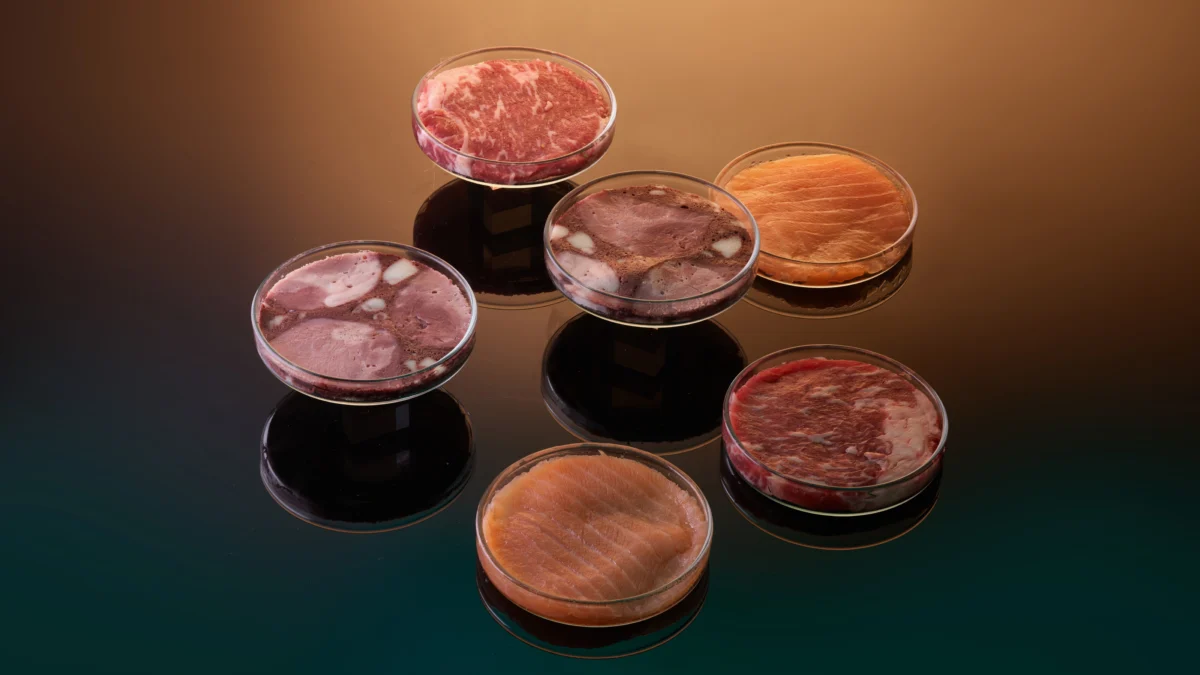
It looks like a salmon crudo: thin slices of fatty yet delicate fish, crunchy vegetables, and a bright, acidic sauce, yet no animal was killed to produce it. When this cultivated salmon arrives at a diner’s table, it mirrors the aesthetic and sensory profile of a dish found at any high-end omakase counter. This visual and culinary parity is intentional, as the high-end restaurant sector currently serves as the primary entry point for the public to encounter what is scientifically known as cell-cultivated protein—meat and seafood grown directly from animal cells rather than through traditional livestock or fishing practices.
In professional kitchens across the United States, visionary chefs are working to translate this biotechnological novelty into approachable, gourmet dishes. However, the industry faces a dual challenge: refining the culinary application of these products while simultaneously overcoming significant regulatory, political, and economic hurdles. While the initial "wow factor" of lab-grown meat has made headlines, the industry is now entering a more sober phase where turning a first bite into sustained market demand is the ultimate goal.
A Chronology of Cultivated Protein in American Dining
The integration of cultivated meat into the American culinary landscape began in earnest in mid-2023, following historic regulatory milestones. In June 2023, the U.S. Department of Agriculture (USDA) issued its first-ever approvals for the sale of cultivated chicken, granting permission to two California-based firms, UPSIDE Foods and GOOD Meat.
Shortly thereafter, the technology moved from the laboratory to the dining room. Chef Dominique Crenn, the first woman in the U.S. to earn three Michelin stars, debuted cell-cultivated chicken at Bar Crenn in San Francisco in late 2023. Following this, world-renowned chef José Andrés introduced the product at his Washington, D.C. restaurant, China Chilcano. These initial offerings were structured as limited-run, reservation-only tasting experiences, with prices ranging from $70 to $150 per person.
The critical reception of these early dishes was varied. Some culinary critics noted that the meat successfully evoked a nostalgic, delicate meatiness associated with high-quality poultry. Others were more skeptical, describing the texture as a "wannabe" version of traditional meat or questioning the fundamental premise of recreating animal flesh in a bioreactor. These mixed reviews, combined with a tightening venture capital market, led several startups to pull back from public-facing operations to focus on R&D and scaling issues.
By 2025, the focus shifted from poultry to seafood. In August 2025, James Beard Award-winning chef Renee Erickson began serving cultivated salmon at her celebrated Seattle oyster bar, The Walrus and The Carpenter. This marked a significant expansion of the category, moving beyond the "novelty" phase of 2023 and into a broader exploration of how cultivated products could address specific supply chain and environmental crises.
The Environmental and Economic Imperative for Seafood
The push toward cultivated seafood is driven by a stark reality: the global demand for seafood is outstripping the ocean’s capacity to provide it. According to the United Nations Food and Agriculture Organization (FAO), approximately 35% of global fish stocks are currently overfished, and nearly 90% are fully exploited.
%20copy.jpg)
"There’s not enough seafood in the ocean to feed everyone who wants it. We need a less environmentally harmful alternative," says Chef Renee Erickson. For Erickson and many of her peers, cultivated salmon represents a way to offset the environmental costs associated with both industrial overfishing and traditional aquaculture. Salmon farming, while efficient, has long been criticized for ocean pollution, the spread of sea lice to wild populations, and the use of wild-caught "feeder fish" to sustain farmed stocks.
By rerouting mass-market demand toward cultivated alternatives, proponents believe the industry can create "breathing room" for wild ecosystems. The goal is not necessarily to replace the tradition of wild-caught fishing but to provide a sustainable buffer. This sentiment is echoed by chefs at various establishments, including Kann in Portland, Oregon, and Robin in San Francisco, who have partnered with Wildtype, the first company to receive FDA consultation for cultivated seafood.
Technical Challenges: The Science of the Kitchen
While the cellular structure of cultivated salmon is identical to its wild counterpart, the current state of the technology imposes specific culinary limitations. Traditional meat and fish consist of complex structures of muscle fiber, fat, and connective tissue. Replicating this "scaffolded" architecture in a bioreactor remains one of the greatest engineering challenges in the field.
Currently, cultivated salmon lacks the structural integrity to withstand high-heat cooking methods like searing or grilling. Consequently, chefs are limited to serving it raw, lightly smoked, or cured. At Robin in San Francisco, Chef and owner Adam Tortosa notes that while the flavor profile is remarkably accurate, the mouthfeel differs. "It’s definitely tender, but the way that it breaks apart in your mouth is not exactly like salmon," Tortosa explains. To compensate for this softer texture, chefs often pair the fish with crunchy elements—such as green apples or radishes—and acidic dressings to provide structure to the dish.
Another innovative approach involves "hybrid" products. At Fiorella in San Francisco, Chef Brandon Gillis has experimented with products from Mission Barns, which combine cultivated pork fat with plant-based proteins. Because fat is responsible for much of the flavor and "mouthfeel" of meat, cultivating it separately and adding it to plant-based bases can create a more realistic sensory experience than plant-based meat alone. This approach also allows for easier scaling, as fat cells are generally less complex to grow in large quantities than structured muscle tissue.
Regulatory Roadblocks and Political Polarization
Despite the culinary enthusiasm, the cultivated meat industry faces a growing wave of political opposition. As of late 2025, seven U.S. states have enacted bans or significant restrictions on the sale of cell-cultured meat. Texas, Florida, and Alabama are among the states that have moved to prohibit these products, often citing the need to protect traditional ranching and farming industries.
In Texas, the ban led to the immediate removal of cultivated salmon from menus at high-end establishments like Otoko in Austin. These legislative actions reflect a broader cultural and economic tension between the emerging "Blue Economy" (biotechnology and sustainable ocean management) and established agricultural interests.
Furthermore, the industry is grappling with a "funding winter." The high capital expenditure required to build large-scale bioreactors—essentially "meat breweries"—has made investors cautious. Without the ability to scale, the price of cultivated protein remains high, often resulting in small portions or "add-on" pricing models where a single crudo dish costs between $22 and $33.

Consumer Education and the Path to Adoption
For cultivated meat to move from a high-end curiosity to a staple of the American diet, consumer education is paramount. Companies like Wildtype have taken a hands-on approach, inviting chefs to their San Francisco headquarters and providing detailed FAQ sheets for restaurant staff.
At Robin, the staff explicitly asks every guest if they would like to try cultivated salmon during their omakase meal. Transparency is key; approximately 50% of diners opt-in once they understand the sustainability benefits and the science behind the product. At Kingfisher Bar & Grill in Tucson, Arizona—a restaurant with a higher-volume, multi-generational clientele—Chef Jacki Kuder has found that guests are surprisingly receptive when the product is framed as a "sustainable option."
"People just want the story behind it," Kuder says. "I’ve received hand-written cards thanking us for having a sustainable option." This positive feedback suggests that while the technology may be "lab-grown," the consumer’s primary concern is the ethical and environmental narrative of their food.
Analysis: The Future of Cultivated Protein
The trajectory of cultivated meat and seafood suggests a transition from a phase of "technological wonder" to one of "pragmatic integration." The industry is currently in a bottleneck where technical limitations (texture and heat sensitivity) and external pressures (political bans and high production costs) are slowing the pace of adoption.
However, the continued involvement of James Beard-winning chefs and Michelin-starred restaurateurs provides the industry with essential "culinary social capital." By introducing these products in a controlled, high-quality environment, the industry is building a foundation of trust.
The long-term success of cultivated protein will likely depend on three factors:
- Scaling Production: Transitioning from small-batch "pilot plants" to industrial-scale facilities that can bring the price down to parity with conventional meat.
- Hybrid Innovation: Leveraging cultivated fat and specific cells to enhance plant-based products, which may offer a faster route to market than whole-cut steaks or fillets.
- Regulatory Harmonization: Navigating the patchwork of state bans and securing federal support for food security initiatives.
While the "lab-grown" label remains a hurdle for some, the chefs at the forefront of this movement view it as the next logical step in the evolution of gastronomy. As Chef Jacki Kuder summarizes, "That’s why we’re chefs. We want people to try new delicious things and experience moments that they’ve never had before. That’s part of the beauty of the industry." For now, the future of meat is being served one thinly sliced, sustainable crudo at a time.