Layla Zulfa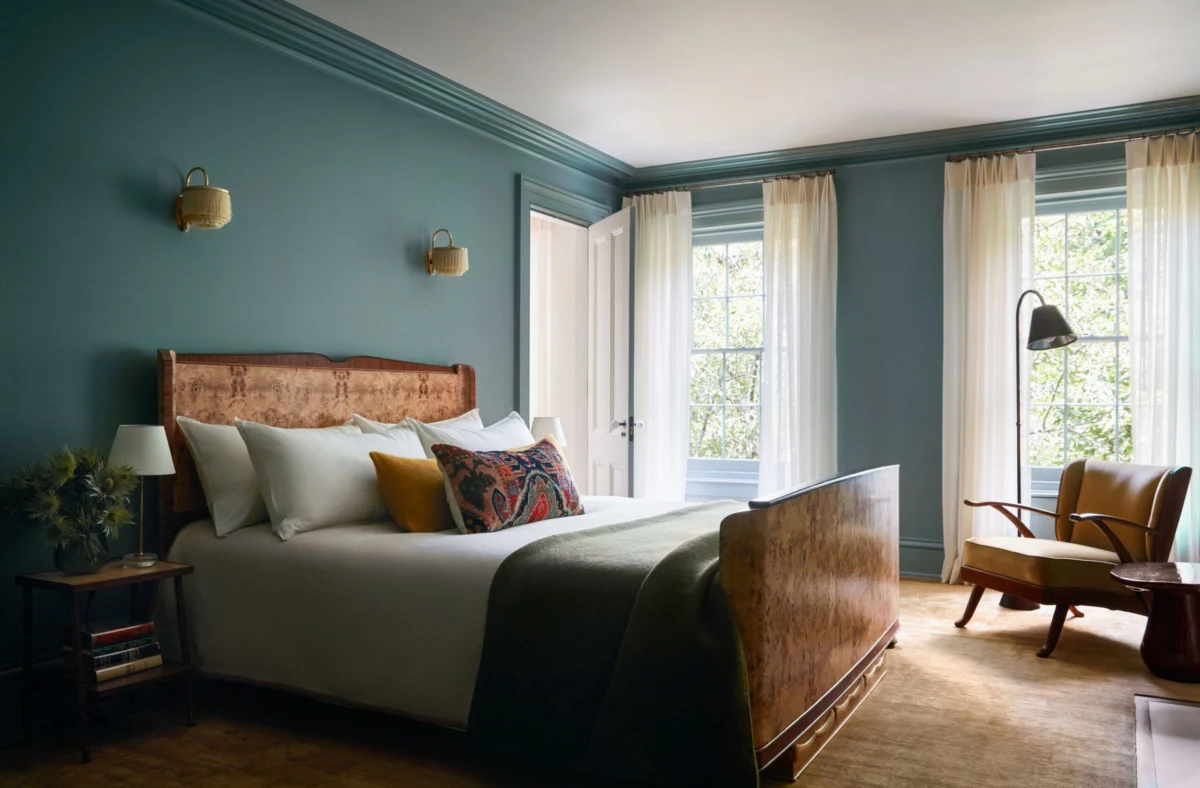
The modern bedroom has evolved beyond a mere sleeping quarters into a multi-functional sanctuary, a shift that has precipitated a resurgence in "shelter" furniture and architectural headboards. Central to this design movement is the wingback bed frame, a silhouette characterized by its distinctive "wings"—side panels that extend forward from the headboard to create a sense of enclosure and privacy. This design, which traces its origins to the 17th-century wingback chair, has been reimagined for the contemporary home, offering a blend of historical grandeur and modern comfort. As homeowners increasingly prioritize "cocooning"—a sociological trend where individuals retreat into the comfort of their homes to mitigate external stress—the furniture industry has responded with an array of wingback options ranging from minimalist wood to opulent, performance-fabric upholstery.
The Evolution of the Wingback Silhouette: From Draught Protection to Aesthetic Grandeur
To understand the current dominance of the wingback bed in high-end interior design, one must look to the functional history of its predecessor, the wingback chair. Originally developed in late 17th-century England, the "wing" was a practical innovation designed to trap heat from a fireplace and protect the sitter from cold draughts in poorly insulated manor houses. By the 18th century, the style became a staple of Georgian and Queen Anne furniture, synonymous with comfort and prestige.

The transition of the wingback from seating to bedding represents a significant shift in the psychology of the bedroom. While traditional headboards served as a barrier between the sleeper and the wall, the wingback headboard creates a three-dimensional "niche." According to industry analysts, the global upholstered bed market has seen a Compound Annual Growth Rate (CAGR) of approximately 5.2% over the last five years, driven largely by consumer interest in tactile, protective silhouettes. The wingback bed, often referred to in the trade as a "shelter bed," is the pinnacle of this trend, offering both acoustic dampening and a visual anchor for the room.
Performance Materials and the Rise of the "Living Bed"
A significant factor in the democratization of wingback beds is the advancement in textile technology. Historically, velvet and linen beds were considered high-maintenance luxuries. However, the modern market is dominated by "performance" fabrics—synthetic or treated natural fibers designed to resist staining, pilling, and fading. This is particularly relevant as the bedroom becomes a space for more than just sleep; data suggests that nearly 40% of adults use their beds for working on laptops, eating, or watching television.
The Quince Performance Boucle Shelter Bed, priced at $1,200, exemplifies this intersection of style and utility. Using nubby bouclé—a fabric made from looped yarn that gained fame in the mid-20th century through French couture—Quince provides a high-texture aesthetic that remains durable. The headboard stands at 42 inches, ensuring that the wing profile remains visible even with the addition of high-profile, luxury mattresses. Furthermore, the inclusion of "white glove" delivery—a service where the product is delivered, assembled, and the packaging removed—highlights a growing industry standard for direct-to-consumer (DTC) furniture brands.

Mid-Century Influence and Geometric Precision
While some wingback beds lean toward the traditional, others utilize the silhouette to enhance mid-century modern (MCM) aesthetics. The Article Kayra Upholstered Bed, often retailing between $999 and $1,299, represents a departure from the floor-length upholstery of classic shelter beds. By incorporating tapered wooden legs, the Kayra provides "visual levity," a design principle used to make small rooms feel larger by exposing more of the floor.
The "wings" on MCM-inspired frames like the Kayra are often thicker and more rounded, leaning into the "organic modernism" that has dominated interior trends since 2020. This style appeals to a demographic that seeks the comfort of a wingback without the heavy, "grounded" look of a traditional platform base. Analysts note that Article’s success in this category stems from its ability to offer high-design silhouettes with simplified assembly processes, catering to the urban professional market.
Integrating Functionality: The Storage Bed Hybrid
As urban living spaces continue to decrease in square footage, the demand for multifunctional furniture has reached an all-time high. The Saatva Cassis Storage Bed, priced at $2,595, addresses this need by combining the wingback aesthetic with a hydraulic lift mechanism. Unlike traditional drawer-based storage, which requires clearance on either side of the bed, hydraulic lift systems allow the entire mattress platform to be raised, revealing a vast cavity within the frame.
.jpeg)
The Cassis frame utilizes a high-quality build designed to mitigate common issues in storage beds, such as creaking or shifting of the frame over time. By offering the frame in both linen and velvet, Saatva targets two distinct consumer segments: those seeking a relaxed, coastal vibe and those pursuing a moodier, maximalist aesthetic. This hybrid model—part luxury headboard, part closet alternative—reflects a broader industry trend toward "invisible storage," where functional utility does not compromise the high-design silhouette.
Material Diversification: Wood, Rattan, and Coastal Influence
While upholstery remains the most popular medium for wingback beds, a growing segment of the market is moving toward natural materials. This shift is part of the "Biophilic Design" movement, which emphasizes the use of natural elements to improve mental well-being within the home. The Joybird Roque Bed ($2,106) and the Rejuvenation Esme Bed ($3,799) represent the vanguard of this non-upholstered category.
The Roque bed utilizes honey oak and woven rattan panels to create an airy, coastal version of the wingback. This design provides the "enveloping" feeling of a shelter bed without the visual weight of heavy fabric. Conversely, the Rejuvenation Esme Bed uses deep wood stains and sharp architectural lines to appeal to the minimalist. In these cases, the "wings" are not cushioned but are instead structural extensions of the wood frame, providing a sleek, modern interpretation of the 17th-century draught-shielding concept.
.jpeg)
The Scale of Grandeur: Exaggerated Proportions
For homeowners seeking a more dramatic focal point, the industry has introduced "extra-wide" wingbacks. The West Elm Julianne Upholstered Winged Bed ($1,599) is designed with wings that extend far beyond the mattress width, effectively enveloping the bedside nightstands. This creates the illusion of a custom-built, wall-to-wall headboard without the need for permanent construction.
At the highest end of the mass-market spectrum is the Arhaus Winslet Bed ($4,800), which pushes the wingback silhouette into the realm of "maximalism." With headboard heights reaching 60 inches and a "waving" curved top edge, the Winslet is designed for rooms with high ceilings and significant volume. The use of bun feet and velvet upholstery signals a return to "Regency Core" and "Grandmillennial" styles, which celebrate opulence, intricate details, and historical references.
Industry Implications and Market Analysis
The proliferation of wingback bed frames reflects a stabilized furniture market that is moving away from the "fast furniture" of the 2010s toward "investment pieces." Consumers are increasingly willing to pay a premium for frames that offer structural integrity—such as kiln-dried hardwood frames and reinforced joinery—and high-quality textiles.
.jpeg)
Data from retail research firms suggests that the average consumer now keeps a bed frame for 7 to 10 years, up from 5 years in the previous decade. This longevity is supported by the "performance" nature of modern fabrics, which extend the life of upholstered pieces. Furthermore, the shift toward wingback designs has forced manufacturers to improve their logistical capabilities; because wingback headboards are often larger and more fragile than flat headboards, brands have invested heavily in specialized packaging and white-glove delivery networks to reduce damage rates during transit.
Conclusion: The Future of the Dreamscape
The rise of the wingback bed frame is more than a fleeting décor trend; it is a reflection of the evolving relationship between the individual and their home environment. By providing a sense of enclosure, acoustic privacy, and aesthetic drama, these frames transform the bed from a utilitarian object into a protective sanctuary. Whether through the nubby warmth of bouclé, the architectural precision of oak, or the regal height of velvet, the wingback silhouette continues to offer a unique solution for the modern "dreamscape"—a space where safety, style, and sleep intersect. As manufacturing techniques continue to refine the balance between luxury and durability, the wingback bed is poised to remain a cornerstone of high-end interior design for the foreseeable future.