
 Ronny Sianturi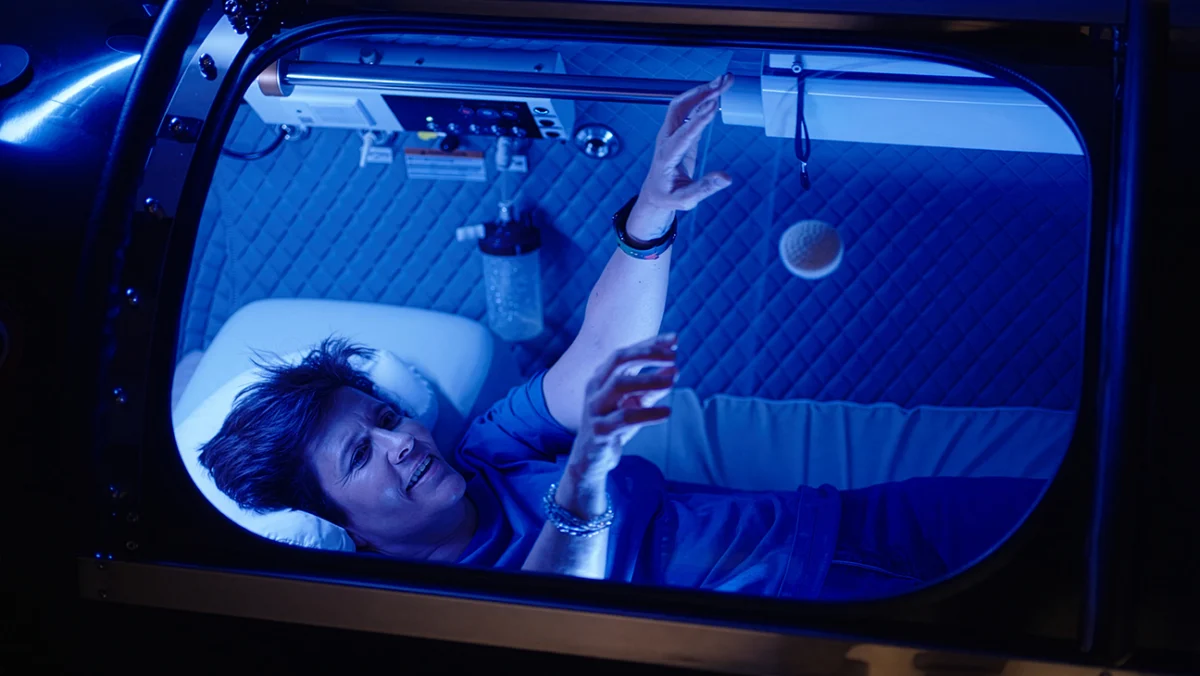
Investigative journalist Kara Swisher embarks on a six-part docuseries, "Kara Swisher Wants to Live Forever," premiering on CNN on Saturday, April 11, at 9 p.m. PT/ET, to meticulously dissect the burgeoning longevity industry. The series promises to separate scientifically-backed advancements from ephemeral trends, examining the spectrum of anti-aging treatments, the pervasive biohacking culture, and the critical interplay of wealth, healthcare access, and social connections in determining who truly benefits from these cutting-edge breakthroughs. New episodes will air weekly on Saturdays at the same time slot, culminating in the series finale on May 16.
For viewers seeking to watch the series without a traditional cable subscription, several live TV streaming services offer CNN. These include DirecTV, Sling, and Hulu + Live TV. Notably, DirecTV is offering a five-day free trial for its streaming service, presenting a cost-free opportunity for new subscribers to catch the initial episodes. Sling offers a significant discount for the first month on select plans, while Hulu + Live TV provides a three-day free trial, bundled with Disney+ and ESPN+.
Unpacking the Longevity Frontier
Swisher’s deep dive into the quest for extended lifespans is not merely observational. The series will feature her personal engagement with a variety of bio-tech innovations and wellness practices. Viewers can expect to see her experience firsthand treatments such as ketamine therapy, red light therapy, and sound therapy, providing an on-the-ground perspective of their purported benefits and potential drawbacks.

Beyond her personal explorations, Swisher will engage in candid discussions with prominent figures at the forefront of the longevity movement. Among the notable individuals slated to appear are Bryan Johnson, the entrepreneur known for his intensive "Blueprint" regimen aimed at reversing aging; Sam Altman, the CEO of OpenAI and a vocal proponent of technological solutions for human advancement; and Scott Galloway, a marketing professor and entrepreneur renowned for his incisive commentary on business and society. These interviews are expected to provide diverse perspectives on the ethics, feasibility, and societal implications of extending human life.
A Timeline of Exploration and Inquiry
The genesis of "Kara Swisher Wants to Live Forever" can be traced to the increasing public fascination and investment in the longevity sector. Over the past decade, scientific research into cellular aging, genetic interventions, and regenerative medicine has accelerated dramatically. This surge in innovation has been accompanied by a growing market for anti-aging products and services, ranging from supplements and specialized diets to advanced medical procedures.
The series premiere on April 11 marks the culmination of Swisher’s extensive research and filming. Each of the six episodes is designed to tackle a specific facet of the longevity landscape.
- Episode 1 (April 11): Likely to introduce the core concepts of aging and the initial allure of longevity science, setting the stage for the series’ exploration.
- Subsequent Episodes: Will delve into more specialized areas, potentially including genetic editing, pharmaceutical interventions, the role of artificial intelligence in health monitoring, and the socio-economic disparities in accessing these technologies.
- Finale (May 16): Expected to synthesize the findings, offering a comprehensive overview of the current state of longevity science and its potential future trajectory.
The weekly broadcast schedule on CNN ensures a consistent release of content, allowing for ongoing public discourse and analysis of the complex issues raised by the series.

The Economic and Social Dimensions of Longevity
A central theme of "Kara Swisher Wants to Live Forever" will be the crucial role of economic status and access to resources in the pursuit of extended life. The current landscape of longevity research and treatments is often characterized by high costs, making advanced interventions accessible primarily to the affluent. This raises significant ethical questions about equity and the potential for a widening gap between those who can afford to prolong their lives and those who cannot.
Data from market research firms indicates a robust growth in the global anti-aging market, projected to reach hundreds of billions of dollars in the coming years. This economic boom is fueled by both scientific innovation and consumer demand, but it also highlights the potential for a bifurcated future where longevity is a privilege rather than a universal right. Swisher’s investigation is likely to illuminate the specific economic barriers and opportunities within this burgeoning industry.
Furthermore, the series will explore the impact of social connections on health and longevity. Emerging research consistently points to the importance of strong social networks and community engagement in promoting well-being and extending lifespan. Swisher’s examination will likely contrast the often solitary pursuit of biohacking with the proven benefits of social cohesion, providing a more holistic view of what contributes to a long and fulfilling life.
Expert Perspectives and Emerging Data
The docuseries is poised to feature interviews with leading scientists, ethicists, and entrepreneurs who are shaping the future of human health. These experts will likely present data on the efficacy of various longevity treatments, the current understanding of the aging process at a cellular level, and projections for future advancements.

For instance, research published in journals like Nature Aging and Cell Metabolism has provided significant insights into mechanisms such as cellular senescence, telomere shortening, and the role of specific metabolic pathways in aging. Swisher’s series will aim to translate these complex scientific findings into accessible terms for a broader audience. The inclusion of figures like Bryan Johnson, whose regimen involves daily blood tests and a highly controlled diet, offers a tangible, albeit extreme, example of the personal commitment required by some in the longevity community. His publicly documented efforts and the scientific scrutiny they have undergone will likely form a significant part of the series’ exploration.
Broader Implications and Future Trajectories
The societal implications of significantly extended human lifespans are profound and far-reaching. "Kara Swisher Wants to Live Forever" is expected to touch upon these broader consequences, including:
- Economic Systems: How will pension funds, social security, and the labor market adapt to a population with a significantly longer average lifespan? The potential for increased healthcare costs and the need for continuous retraining of a longer-working population will be critical considerations.
- Resource Allocation: An aging global population will place increased demands on natural resources, healthcare infrastructure, and housing. The series may explore innovative solutions and ethical frameworks for managing these growing pressures.
- Generational Dynamics: How will social structures, family dynamics, and intergenerational relationships evolve if multiple generations coexist for extended periods? The potential for increased social stratification and the need for new forms of social integration will be key areas of inquiry.
- The Definition of Life and Death: As medical science pushes the boundaries of human longevity, fundamental questions about the meaning of life, the acceptance of mortality, and the ethical boundaries of intervention will inevitably arise.
Swisher’s investigative approach, known for its incisive questioning and commitment to factual reporting, positions "Kara Swisher Wants to Live Forever" to be a pivotal documentary series that not only informs the public about the cutting edge of longevity science but also sparks critical conversations about its potential impact on society as a whole. The series’ focus on separating evidence-based science from speculative claims is crucial in an era where misinformation can easily proliferate in the rapidly expanding wellness and biohacking markets. By engaging directly with the science, the practitioners, and the potential beneficiaries and skeptics, Swisher aims to provide viewers with a comprehensive and nuanced understanding of humanity’s enduring quest for a longer, healthier life.








