Danny Garick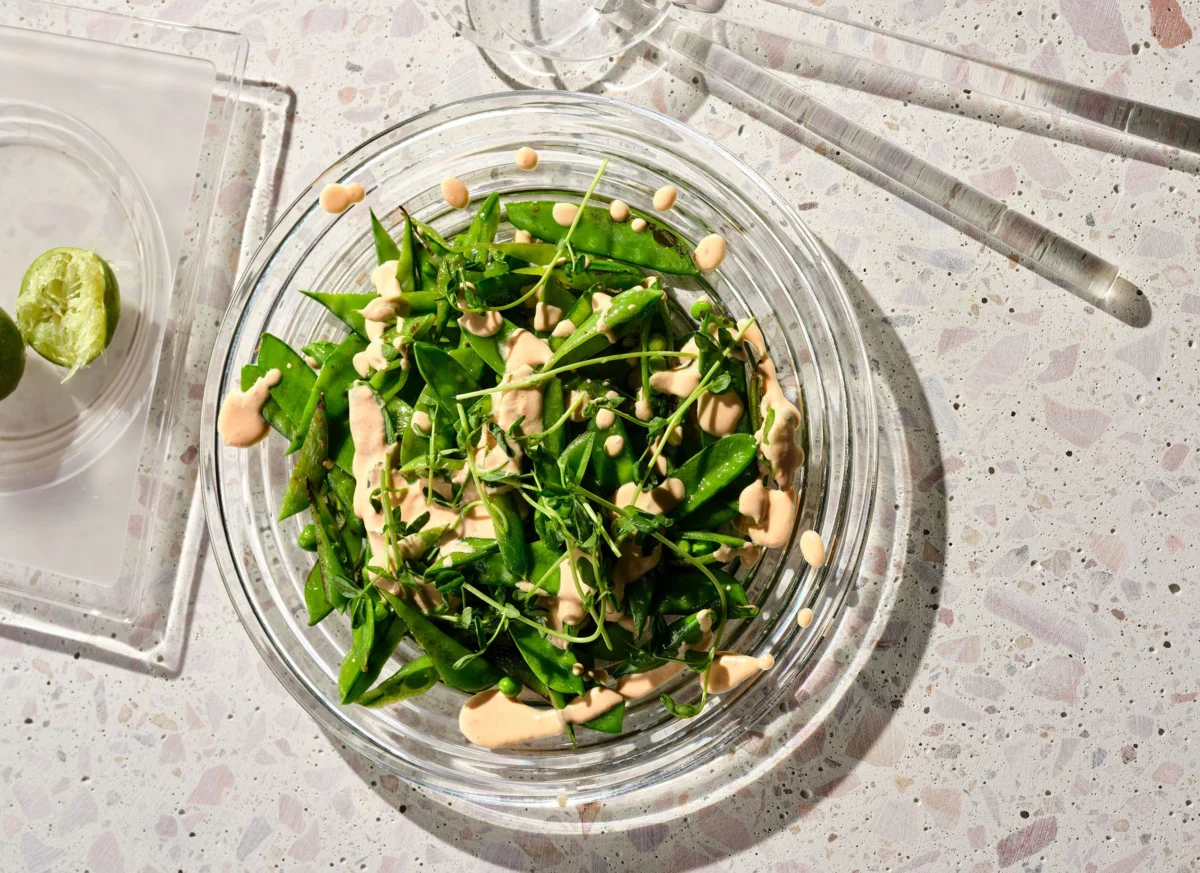
The transition from the winter dormancy to the vernal equinox marks a pivotal shift in global agricultural output, characterized most distinctly by the arrival of the pea (Pisum sativum). Often regarded by culinary historians and agronomists as the definitive herald of spring, the pea represents a multi-billion dollar industry that bridges the gap between traditional small-scale farming and high-tech industrial food processing. As consumers pivot toward seasonal produce, the pea market experiences a predictable surge in demand, driven by its versatility in various forms—ranging from fresh English shelling peas and edible-podded sugar snaps to the ubiquitous and economically vital frozen variety. This resurgence is not merely a matter of culinary preference but is rooted in complex botanical cycles, global supply chain logistics, and a shifting nutritional landscape that increasingly prioritizes plant-based proteins and minimally processed whole foods.
The Botanical Classification and Varietal Diversity
To understand the impact of peas on the modern food system, one must first distinguish between the primary varieties that dominate the market. The English pea, or garden pea, is prized for its sweet seeds, though its fibrous pod remains inedible. In contrast, the snow pea (mangetout) and the sugar snap pea—a hybrid of the former two developed in the 1970s—feature edible pods with varying degrees of thickness and sweetness. Each variety occupies a specific niche in the agricultural timeline and the culinary repertoire.
The English pea is traditionally associated with labor-intensive preparation, requiring manual shelling, which has historically relegated it to high-end seasonal menus and home gardening. However, the development of the sugar snap pea by breeder Calvin Lamborn revolutionized the market by providing a "snappy," low-waste alternative that aligns with modern consumer desires for convenience and texture. Meanwhile, the frozen pea industry remains the backbone of the sector, utilizing advanced flash-freezing technology to preserve the high sugar content of the legumes before it converts into starch—a natural chemical transition that begins the moment a pea is harvested.
Historical Context and Agricultural Evolution
The domestication of the pea dates back nearly 10,000 years to the Near East and the Mediterranean basin. As one of the earliest cultivated crops, peas provided a stable source of protein and fiber for Neolithic civilizations. Throughout the Middle Ages, dried peas were a staple food in Europe, often consumed as "pease porridge." It was not until the 17th and 18th centuries that the consumption of "green" or immature peas became a luxury trend in the French court of Louis XIV, eventually trickling down to the general populace as agricultural techniques improved.
In the modern era, the pea has played a critical role in the development of genetic science. Gregor Mendel’s 19th-century experiments with pea plants laid the foundation for the laws of inheritance, illustrating the plant’s reliability and clear phenotypic traits. Today, the pea is at the forefront of the "Green Revolution 2.0," serving as a primary source for the burgeoning plant-based meat industry. Companies like Beyond Meat and Impossible Foods rely heavily on pea protein isolate, a derivative that has seen a 20% year-over-year increase in market demand as consumers seek alternatives to soy and animal proteins.
Chronology of the Spring Harvest and Industrial Processing
The lifecycle of the spring pea is a race against temperature. Peas are cool-weather crops, typically planted as soon as the soil can be worked in late winter or early spring. They require a specific window of temperatures—ideally between 55°F and 70°F—to thrive. As temperatures rise toward the heat of summer, the plants cease production, making the spring harvest a high-stakes period for farmers.

- Late February to March: Planting occurs across temperate zones. In the United Kingdom and parts of the United States, this period is critical for establishing root systems before the spring rains.
- April to May: The flowering stage begins. For edible-pod varieties, harvest starts shortly after flowering to ensure the pods remain tender.
- June: The peak of the English pea harvest. Because the window for peak sweetness is only a few days long, industrial harvesters often work 24 hours a day during this month.
- Post-Harvest Processing: For the frozen market, the timeline is even tighter. Leading processors, such as Bird’s Eye and various private-label suppliers, aim to have peas cleaned, blanched, and frozen within two and a half to three hours of leaving the field. This rapid "vining-to-freezer" pipeline is essential for halting the enzymatic process that turns sugar into starch.
Supporting Data: Economic and Nutritional Metrics
According to data from the Food and Agriculture Organization (FAO) of the United Nations, global production of green peas exceeds 20 million tonnes annually. China remains the world’s largest producer, followed by India, though the United States and France lead in the technological advancement of frozen and processed pea products.
Economically, the "frozen pea" segment is a powerhouse. Market research indicates that the global frozen vegetable market is expected to reach a valuation of over $38 billion by 2027, with peas holding a significant double-digit percentage of that share. The preference for frozen peas is backed by science; studies from the University of California, Davis, suggest that frozen peas often retain higher levels of Vitamin C and antioxidants compared to "fresh" peas that have sat in a grocery store produce bin for several days.
Nutritionally, one cup of cooked peas provides:
- Protein: 8 grams (equivalent to one cup of milk)
- Fiber: 8 grams (32% of the Daily Value)
- Vitamin K: 45% of the Daily Value
- Manganese: 30% of the Daily Value
Furthermore, peas are unique among vegetables for their high concentration of saponins, phytonutrients that have shown promise in clinical studies for reducing cholesterol and providing anti-cancer benefits.
Official Responses and Culinary Expert Perspectives
The culinary world views the arrival of peas as a significant event that dictates menu planning for the second quarter of the fiscal year. "The pea is the first true sign of life in the kitchen after a long winter of tubers and brassicas," says Marcus Wareing, a Michelin-starred chef. "Its utility in balancing heavy fats—like butter, cream, and pancetta—makes it indispensable for the transition into lighter spring fare."
However, the use of peas has occasionally sparked public debate, highlighting their cultural significance. In 2015, the New York Times published a recipe for guacamole that included green peas, leading to an international social media outcry that even prompted a response from the President of the United States. This "Pea-Gate" incident underscored the protective stance consumers take toward traditional recipes and the polarizing nature of the pea’s distinctive flavor profile.
From a retail perspective, grocery chains report a "spring surge" in the produce aisle. A spokesperson for a major North American grocery conglomerate noted, "We see a 15% increase in traffic to the fresh legume section during the months of April and May. Consumers are looking for that ‘fresh-picked’ experience, even if they supplement with frozen stocks for convenience during the week."

Environmental Impact and Agricultural Sustainability
Beyond their nutritional and economic value, peas are a cornerstone of sustainable agriculture. As legumes, they possess the unique ability to fix nitrogen in the soil through a symbiotic relationship with Rhizobium bacteria. This process reduces the need for synthetic nitrogen fertilizers, which are a major source of greenhouse gas emissions and water pollution.
The "Pulse Canada" industry group has highlighted that peas have one of the lowest carbon footprints of any protein source. For every tonne of peas grown, soil health is improved for the subsequent crop, usually wheat or canola. This makes peas a vital component of crop rotation strategies aimed at combating soil degradation and climate change.
Broader Implications: The Future of the Pea Industry
As climate change alters traditional weather patterns, the pea industry faces new challenges. Unpredictable frost cycles and erratic rainfall can devastate a spring crop in a matter of days. Researchers are currently working on heat-tolerant pea varieties that can withstand the rising temperatures of late spring, ensuring the stability of the global supply chain.
Moreover, the "clean label" movement is driving innovation in how peas are processed. There is a growing market for organic frozen peas and "steam-in-bag" technologies that preserve the integrity of the vegetable’s cell walls. The rise of pea protein as a major commodity has also led to "fractionation" plants being built across the Canadian prairies and the American Midwest, turning what was once a simple side dish into a sophisticated industrial ingredient.
In conclusion, the pea is far more than a seasonal flavor; it is a multifaceted agricultural product that supports global nutrition, environmental health, and economic stability. Whether served in a silky spring pasta, a crunchy raw salad, or as a protein-dense soup, the pea remains a vital link between the ancient history of human cultivation and the high-tech future of the global food system. As spring continues to unfold, the presence of the pea on menus and in markets serves as a factual reminder of the enduring importance of seasonal synchronicity in an increasingly globalized world.