Jono Maryono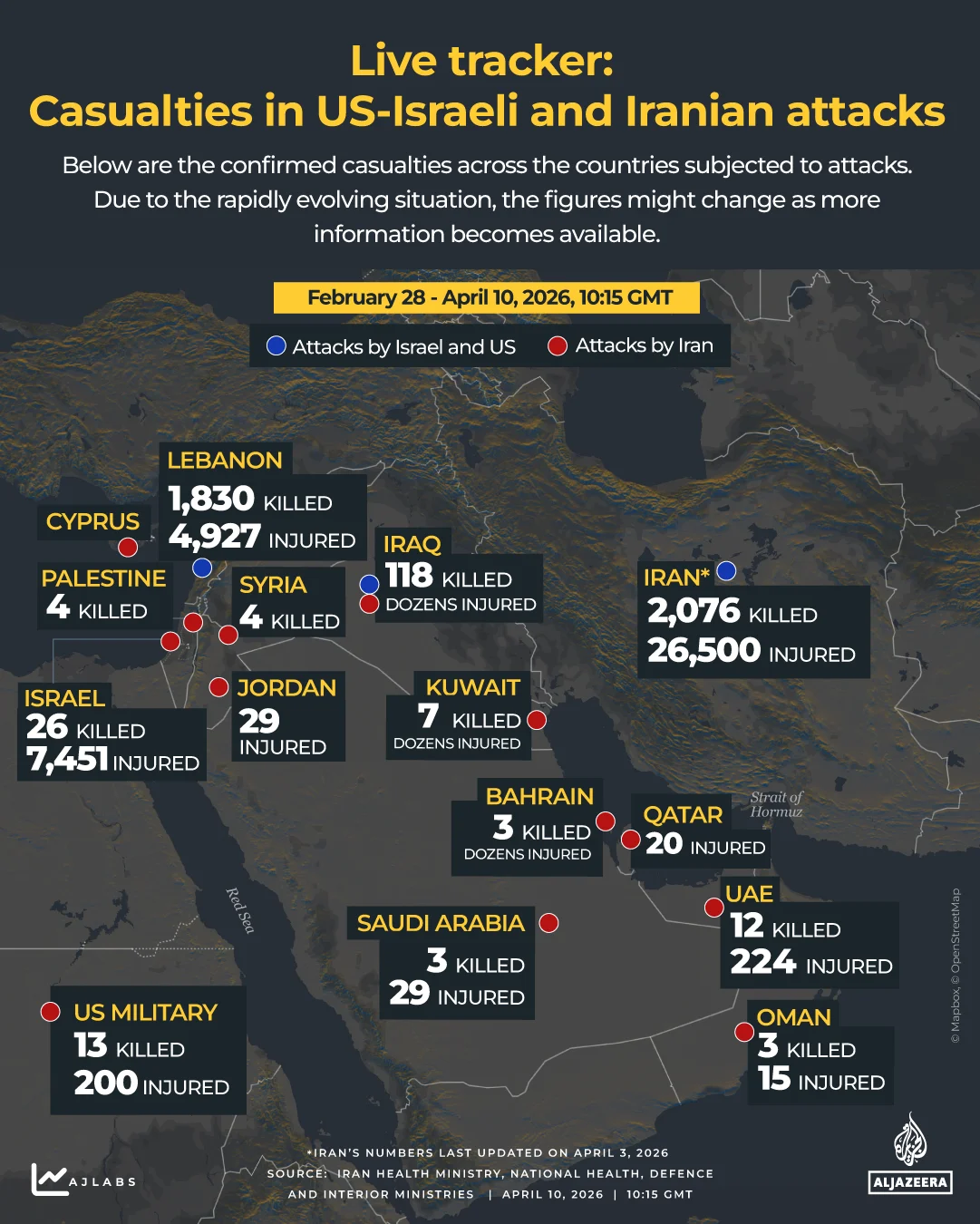
Senior Iranian officials have arrived in the Pakistani capital, Islamabad, to engage in high-stakes ceasefire negotiations with representatives of the United States. This diplomatic engagement comes at a critical juncture, as violence continues to surge across the Middle East, raising global concerns about further regional destabilization. The arrival of the Iranian delegation underscores the urgent need for de-escalation and the search for a path toward peace amidst a rapidly deteriorating security landscape.
The Iranian delegation is spearheaded by prominent figures within the Islamic Republic’s political establishment. Parliamentary Speaker Mohammad Bagher Ghalibaf, a seasoned politician with significant influence, and Foreign Minister Abbas Araghchi, a key architect of Iran’s foreign policy, are leading the discussions on behalf of Tehran. Their presence signifies the gravity with which Iran views these talks and the importance it places on diplomatic engagement to address the current crisis.
On the American side, the negotiations are being led by a high-profile delegation. Vice President JD Vance represents Washington’s executive branch, signaling the administration’s commitment to finding a resolution. He is accompanied by Special Envoy Steve Witkoff and Jared Kushner, both of whom have been involved in Middle East diplomacy in various capacities. The composition of the US team suggests a comprehensive approach, aiming to leverage diplomatic, economic, and potentially security-related discussions.
Ahead of the formal talks, Vice President Vance conveyed a message of potential openness from Washington. He stated that the United States is prepared to "extend an open hand" if Iran engages in good faith negotiations. This statement, made prior to the commencement of discussions, is being interpreted as a signal that Washington is seeking a genuine diplomatic breakthrough and is willing to explore avenues for de-escalation. This potential opening for diplomacy arrives after weeks of intensifying tensions that have brought the region to a precipice.
However, the backdrop against which these crucial talks are taking place is one of extreme volatility. The situation on the ground remains precarious, with ongoing reports of significant casualties and destruction. Lebanon’s Ministry of Health reported on Friday that at least 357 individuals were killed in Israeli attacks that occurred on Wednesday. The ministry issued a grim warning that this death toll is expected to rise as further victims are identified and casualties are fully accounted for. This tragic toll underscores the immediate and devastating human cost of the ongoing conflict and the urgent need for a ceasefire.
Background and Escalation of Tensions
The current surge in regional violence is the culmination of a complex web of geopolitical factors and long-standing grievances. While the immediate trigger for the current escalation is not explicitly detailed in the initial reports, historical context suggests a deep-seated conflict involving territorial disputes, ideological differences, and proxy engagements between various regional and global powers. The involvement of Iran and the United States in these talks highlights the broader geopolitical dimensions of the crisis, suggesting that a resolution will likely require addressing the interests and concerns of multiple international actors.
The recent weeks have been marked by a series of incidents that have significantly heightened tensions. These have likely included cross-border skirmishes, retaliatory strikes, and an increase in rhetoric from all involved parties. The presence of senior diplomatic figures from both Iran and the US indicates that the situation has reached a point where direct, high-level communication is deemed essential to prevent further deterioration and to explore pathways for de-escalation.
Timeline of Recent Events (Inferred)
While a precise timeline is not provided, the context of "weeks of escalating tensions" and "violence continues across the region" allows for an inferred chronology of recent events leading up to these talks:
- Weeks Prior: A period of heightened rhetoric and increased minor skirmishes across various fronts, potentially involving Iranian-backed militias and Israeli forces, or proxies in other conflict zones.
- Early Week: Significant escalation of hostilities, leading to substantial casualties in specific areas. The reported Israeli attacks in Lebanon resulting in 357 deaths on Wednesday falls into this period.
- Mid-Week: Diplomatic efforts intensify behind the scenes, with urgent consultations between Washington and its allies, and potentially between Tehran and its regional partners.
- Late Week: The announcement and arrival of senior delegations from Iran and the United States in Islamabad for direct ceasefire talks.
This inferred timeline suggests a rapid and alarming acceleration of conflict, necessitating an immediate diplomatic response.

Supporting Data and Human Cost
The human cost of the ongoing conflict is starkly illustrated by the figures emerging from Lebanon. The reported 357 deaths in Israeli attacks on Wednesday alone represent a significant loss of life and underscore the devastating impact of the hostilities on civilian populations. These figures, while preliminary, paint a grim picture of the humanitarian crisis unfolding in the region.
Beyond Lebanon, reports of casualties and displacement are likely emerging from other affected areas. The nature of the conflict suggests that non-combatants are bearing the brunt of the violence, leading to humanitarian emergencies requiring immediate international attention and aid. Access to accurate and verified casualty figures is often challenging in active conflict zones, but the available data highlights the urgency of a ceasefire.
The economic implications of sustained conflict are also considerable. Disruption to trade routes, damage to infrastructure, and increased military spending can have long-lasting detrimental effects on regional and global economies. Furthermore, the uncertainty generated by ongoing hostilities can deter investment and hinder economic development.
Official Responses and Positions
United States: Vice President Vance’s statement signaling an "open hand" for good-faith negotiations is a key indicator of the US stance. This suggests a willingness to engage constructively if Iran demonstrates a similar commitment to de-escalation and peaceful resolution. The US has historically sought to maintain regional stability and counter perceived Iranian aggression, but the current engagement implies a shift towards diplomatic engagement as a primary tool.
Iran: The participation of senior figures like Parliamentary Speaker Ghalibaf and Foreign Minister Araghchi indicates that Iran is taking these talks seriously. Iran has consistently maintained its right to self-defense and has often accused external powers of interference in regional affairs. Their presence suggests a recognition that dialogue may be necessary to navigate the current crisis, though their specific negotiating points and red lines remain to be seen.
Pakistan: As the host nation, Pakistan plays a crucial role in facilitating these talks. Historically, Pakistan has maintained a complex relationship with both Iran and the United States, often navigating a delicate balance. Hosting these high-level negotiations demonstrates Pakistan’s commitment to regional peace and its capacity to act as a mediator.
International Community: While not directly involved in these specific talks, other international actors, including the United Nations, European Union, and various regional powers, are undoubtedly observing these developments with keen interest. Their responses and any potential involvement will likely be shaped by the outcome of the Islamabad negotiations. Many have called for an immediate cessation of hostilities and a commitment to diplomatic solutions.
Broader Impact and Implications
The outcome of these ceasefire talks in Islamabad could have profound and far-reaching implications for the entire Middle East and beyond.
- Regional De-escalation: A successful ceasefire agreement would represent a significant step towards reducing immediate violence and preventing further loss of life. It could open the door for more comprehensive diplomatic solutions to address the underlying causes of the conflict.
- Geopolitical Realignment: The success or failure of these talks could influence the broader geopolitical landscape. A positive outcome might foster greater trust and cooperation between Iran and the US, while a breakdown could lead to further polarization and potentially a wider regional conflict.
- Humanitarian Relief: A ceasefire would allow for the unimpeded delivery of humanitarian aid to affected populations and the beginning of recovery efforts for those impacted by the violence.
- Economic Stabilization: Reduced regional tensions would likely lead to greater economic stability, benefiting not only the immediate parties but also global markets that are sensitive to Middle Eastern instability.
- Future of Diplomacy: The manner in which these negotiations unfold will set a precedent for future diplomatic engagements between Iran and the United States, and potentially for resolving other complex regional disputes.
The presence of high-level delegations from Iran and the United States in Islamabad for ceasefire talks is a critical development in a region teetering on the brink. The success of these negotiations hinges on the willingness of both sides to engage in genuine dialogue and to prioritize de-escalation over further conflict. The world watches with bated breath, hoping that diplomacy will prevail and bring an end to the escalating violence that is exacting a devastating human toll.