
 Ronny Sianturi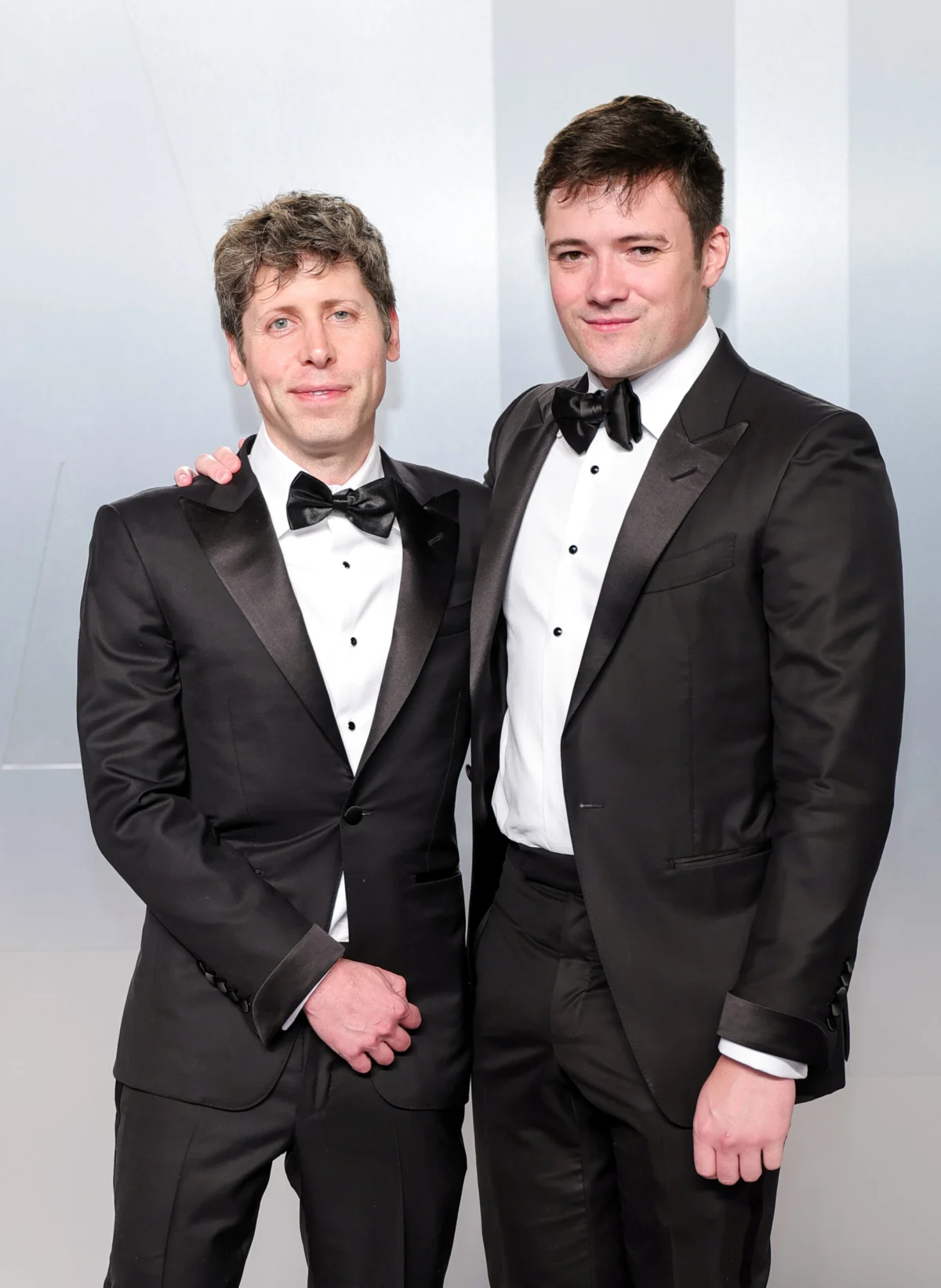
San Francisco, CA – Authorities in San Francisco apprehended an individual on Friday in connection with a disturbing incident involving a Molotov cocktail being thrown at the residence of Sam Altman, CEO of OpenAI, and subsequent threats made outside the company’s headquarters. The arrest, confirmed by the San Francisco Police Department (SFPD), occurred in the early morning hours. Fortunately, no injuries were reported as a result of the attack, according to a statement released by OpenAI.
The incident has cast a shadow over a week that was already marked by significant public attention for Altman, largely due to a comprehensive investigative piece published in The New Yorker. The article, authored by Ronan Farrow and Andrew Marantz, delved into Altman’s leadership at OpenAI and raised critical questions about his influence and trustworthiness in the rapidly evolving field of artificial intelligence.
OpenAI issued a statement acknowledging the swift response of the SFPD and expressing gratitude for the city’s efforts in ensuring the safety of their employees. "We deeply appreciate how quickly SFPD responded and the support from the city in helping keep our employees safe," the statement read. "The individual is in custody, and we’re assisting law enforcement with their investigation."
Chronology of Events
The sequence of events began in the pre-dawn hours of Friday, April 10, 2026, when the Molotov cocktail was reportedly thrown at Altman’s home. The device, however, failed to ignite fully upon impact and bounced off the house, preventing any significant damage or harm.
Hours later, Sam Altman himself addressed the incident through a personal blog post. His decision to share his experience publicly, a departure from his usual practice of maintaining privacy, appeared to be a direct response to both the immediate threat and the broader narrative surrounding him.
"Images have power, I hope. Normally we try to be pretty private, but in this case I am sharing a photo in the hopes that it might dissuade the next person from throwing a Molotov cocktail at our house, no matter what they think about me," Altman wrote, accompanying his post with a photograph of his husband, Oliver Mulherin, and their child. He detailed the timing of the attack, stating, "The first person did it last night, at 3:45 am in the morning. Thankfully it bounced off the house and no one got hurt."
Altman then directly linked the violent act to the escalating rhetoric surrounding AI and his public persona, particularly in the wake of The New Yorker‘s investigation. "Words have power too," he continued. "There was an incendiary article about me a few days ago. Someone said to me yesterday they thought it was coming at a time of great anxiety about AI and that it made things more dangerous for me. I brushed it aside. Now I am awake in the middle of the night and pissed, and thinking that I have underestimated the power of words and narratives. This seems like as good of a time as any to address a few things."
Altman later acknowledged that his choice of the word "incendiary" was ill-advised. In response to a user on X (formerly Twitter) pointing out the phrase, he posted, "That was a bad word choice and i wish i hadn’t used it. It has been a tough day and I am not thinking the most clearly that I ever have." This retraction highlighted the emotional toll of the events and the pressure Altman was experiencing.
The New Yorker Investigation: A Catalyst for Scrutiny
The timing of the Molotov cocktail incident is inextricably linked to the publication of a deeply scrutinizing article in The New Yorker titled "Sam Altman May Control Our Future: Can He Be Trusted?" The piece by Ronan Farrow and Andrew Marantz provided an in-depth examination of Altman’s rise to prominence, his leadership at OpenAI, and the complex ethical and societal implications of the artificial intelligence he is helping to shape.
The investigation delved into Altman’s past, his ambitions, and the internal dynamics of OpenAI, including the dramatic events surrounding his temporary ousting and subsequent reinstatement by the company’s board. By raising pointed questions about his decision-making and control, the article contributed to a heightened public discourse about the future of AI and the individuals at its forefront. While the authors aimed to inform the public about the profound stakes involved in AI development, the intensely personal nature of the scrutiny, coupled with the inherent anxieties surrounding AI, may have inadvertently amplified existing tensions.

Altman’s Response and Vision for the Future of AI
In his blog post, Altman moved beyond addressing the immediate threat to articulate his personal reflections and his broader vision for the future of artificial intelligence. He acknowledged the significant societal shifts that AI is initiating, stating, "not all will go well." He conceded that "the fear and anxiety about AI is justified; we are in the process of witnessing the largest change to society in a long time, and perhaps ever."
Altman emphasized the critical need for robust safety measures, extending beyond mere model alignment. "We urgently need a society-wide response to be resilient to new threats," he asserted. "This includes things like new policy to help navigate through a difficult economic transition in order to get to a much better future."
A core tenet of his philosophy, as expressed in the post, is the democratization of AI. "AI has to be democratized; power cannot be concentrated," he argued, questioning the appropriateness of a select few AI labs holding sway over the future’s trajectory.
He also revisited the tumultuous period of his conflict with OpenAI’s previous board, offering an apology for his past conduct. "I am not proud of handling myself badly in a conflict with our previous board that led to a huge mess for the company," he admitted. "I have made many other mistakes throughout the insane trajectory of OpenAI; I am a flawed person in the center of an exceptionally complex situation, trying to get a little better each year, always working for the mission." He expressed remorse to those he may have harmed and wished he had learned more quickly from the experience.
Despite acknowledging past missteps, Altman conveyed immense pride in OpenAI’s accomplishments. "Against all odds, we figured out how to build very powerful AI, figured out how to amass enough capital to build the infrastructure to deliver it, figured out how to build a product company and business, figured out how to deliver reasonably safe and robust services at a massive scale, and much more," he stated, concluding with a bold assertion: "A lot of companies say they are going to change the world; we actually did."
Broader Implications and Societal Concerns
The incident involving the Molotov cocktail attack and Altman’s subsequent public response underscore the growing anxieties surrounding the rapid advancement and deployment of artificial intelligence. As AI technologies become increasingly sophisticated and integrated into daily life, public perception and the emotional impact of this technological revolution are becoming undeniable factors.
The attack, while an extreme act, reflects a fringe element of societal concern that can be amplified by public discourse and media narratives. The nexus of technological power, corporate leadership, and societal change creates a fertile ground for both admiration and apprehension. Altman’s acknowledgement of the "fear and anxiety about AI" is a recognition of the profound impact these technologies are having on global economies, job markets, and the very fabric of society.
The call for a "society-wide response" and the need for careful policy development to navigate economic transitions are critical points that resonate beyond the immediate incident. As AI capabilities expand, discussions about regulation, ethical guidelines, and equitable distribution of benefits will become even more paramount. The concentration of power within a few AI labs, as highlighted by Altman, raises concerns about monopolies and the potential for these entities to disproportionately shape the future.
The investigation by The New Yorker also serves as a reminder of the intense public and media scrutiny faced by leaders in cutting-edge industries. The ability of such figures to navigate both technological innovation and public perception is increasingly vital, especially when the stakes involve technologies with the potential to fundamentally alter human civilization.
The arrest of the suspect provides a measure of closure to the immediate threat. However, the underlying issues of public trust, the responsible development of AI, and the societal impact of these transformative technologies remain subjects of ongoing debate and concern. Altman’s candid reflections, though prompted by a disturbing event, offer a starting point for a broader conversation about how humanity can collectively manage the immense power and potential of artificial intelligence.








