Ferry Irwandi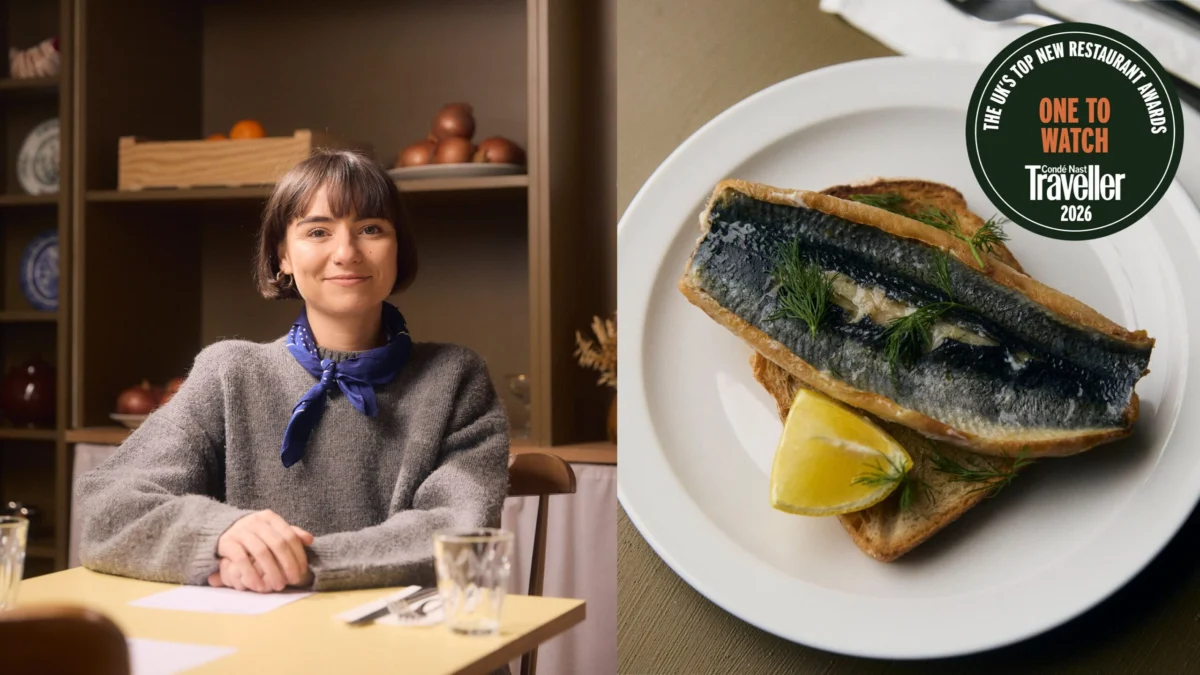
Located on the serene harbor front of Newhaven in Edinburgh, Norah has rapidly ascended from a local neighborhood eatery to a national culinary destination, culminating in its recent designation as the One To Watch in the prestigious UK’s Top New Restaurant Awards. Since its inauguration in 2025, the restaurant has distinguished itself not through aggressive marketing or high-capital backing, but through a steadfast commitment to "good, honest cooking" and a sophisticated understanding of the modern diner’s needs. Chef-owner Claire Hanrahan, alongside her partner and business lead Andrew Ainslie, has cultivated a space that balances the rugged charm of the Scottish coast with the warm, evocative flavors of her Irish heritage.
The recognition from Condé Nast Traveller highlights a significant shift in the UK gastronomic landscape, where the focus is increasingly moving away from the metropolitan centers of London and toward regional hubs like Edinburgh’s northern waterfront. Norah’s success is built upon a foundation of culinary precision and a philosophy of hospitality that prioritizes emotional resonance and community connection over traditional fine-dining tropes.

The Genesis of Norah: From Meath to the Firth of Forth
The trajectory of Claire Hanrahan’s career reflects broader socioeconomic trends within the British Isles’ culinary industry. Originally hailing from Meath, a county situated just outside of Dublin, Hanrahan’s initial professional development took place in the Republic of Ireland, where she studied Culinary Arts. However, the escalating cost of living and the "astronomical rents" in Dublin necessitated a move to Scotland. This migration of talent has become a recurring theme in the hospitality sector, as young chefs seek out cities like Edinburgh where the barrier to entry for independent ownership is slightly lower, though still challenging.
Upon arriving in Edinburgh, Hanrahan refined her skills in some of the city’s most respected establishments, including Ardfern and The Palmerston. These experiences provided her with a deep appreciation for the Scottish larder—widely considered among the best in the world—and the technical rigor required to lead a professional kitchen.
The decision to name the restaurant after her late grandmother, Norah Hanrahan, was more than a sentimental gesture; it was a mission statement. Hanrahan describes her grandmother as a "formative influence," recalling childhood memories of baking apple pies after school. The goal for the restaurant was to replicate the "wonderful calm presence" and the instinctive hospitality of her grandmother’s home. Hanrahan has noted that if the restaurant can provide even ten percent of the warmth her grandmother offered, the venture would be considered a success.

A Menu Defined by Subtle Heritage and Local Seasonality
The culinary identity of Norah is defined by what Hanrahan calls "subtle nods" to her Irish roots, rather than an overt thematic branding. The restaurant avoids the clichés of Irish-themed pubs, opting instead for a sophisticated integration of Irish recipes and high-quality Scottish ingredients. This intersection is evident in the menu’s staples, which have already garnered a dedicated following among Edinburgh locals and visiting gourmands.
The daily offerings, often displayed on a handwritten blackboard, illustrate a commitment to simplicity handled with intelligence. Key dishes include:
- Seafood Chowder: A tribute to the harbor-side location, utilizing fresh Scottish catches while maintaining the comforting profile of an Irish coastal classic.
- Soda Bread and Irish Cheese: A breakfast and brunch staple that highlights the artisan dairy of Ireland alongside traditional baking techniques.
- Smoked Haddock Chowder and Tartiflette: These dishes demonstrate a comfort with European techniques, paired with a mustard salad to provide acidity and balance.
- Soda-Bread Ice Cream: An inventive use of a traditional Irish component, transformed into a contemporary dessert that bridges the gap between nostalgia and modern innovation.
The "porridge" at Norah has achieved a "near-mythical status" among regulars, prepared to a creamy perfection and finished with brown sugar. This focus on elevating humble, everyday foods—such as the popular sausage, egg, and chips—speaks to a broader trend in the industry toward "high-low" dining, where comfort food is treated with the same technical respect as haute cuisine.

Breaking the Mold: A New Model for Kitchen Culture
Beyond the plate, Norah is gaining national attention for its progressive approach to kitchen management and labor practices. The hospitality industry has historically been criticized for a "macho" culture characterized by punishingly long hours, rigid hierarchies, and a lack of support for women, particularly those with families.
Hanrahan has been vocal about her desire to use Norah as a laboratory for a more sustainable and inclusive business model. She points to the scarcity of women in the industry who have children as a structural failure that needs addressing. "There’s just so little in place to make it work," she remarked during the award ceremony. Her ambition is to build a structure where both she and her team can balance professional excellence with personal lives.
At Norah, the rotas are constructed around the "real lives" of the staff, which includes musicians, artists, and individuals with family commitments. This approach challenges the traditional "badge of honor" associated with burnout in the culinary world. By proving that a restaurant can be both critically successful and human-centric, Hanrahan is positioning herself as a leader in the movement to modernize hospitality employment.

Community-Led Development and Economic Context
The opening of Norah in 2025 was a grassroots effort, devoid of external corporate backing or professional PR agencies. The restaurant’s physical space was transformed through a collective community effort:
- Family Support: Hanrahan’s parents tended to the front garden.
- Local Labor: Friends and neighbors assisted with painting walls and constructing furniture.
- Neighborly Relations: The pub located next door supported the team during the arduous preparation phases prior to opening.
This community-centric origin story has resonated with diners who are increasingly seeking authenticity in an era of homogenized restaurant groups. The fact that the restaurant achieved national recognition within its first year, without a formal marketing budget, serves as a testament to the power of word-of-mouth and the quality of the product.
The logistical side of the operation is managed by Andrew Ainslie, allowing Hanrahan to focus exclusively on the culinary direction. This partnership has provided the stability necessary for the restaurant to thrive in a volatile economic climate, where food inflation and energy costs continue to put pressure on independent operators.

The Broader Impact on Edinburgh’s Culinary Standing
Edinburgh has long been a powerhouse in the UK dining scene, boasting a high concentration of Michelin stars per capita. However, the rise of Newhaven—traditionally a working-class fishing village—as a gastronomic destination signifies the expansion of the city’s culinary boundaries.
The success of Norah contributes to a "halo effect" for the Newhaven harbor front, attracting foot traffic and encouraging other independent businesses to settle in the area. This gentrification, when led by independent and community-focused ventures like Norah, tends to preserve the local character while injecting new economic vitality.
Industry analysts suggest that Hanrahan’s "One to Watch" status will likely lead to increased tourism for the Newhaven area, as travelers increasingly plan itineraries around specific dining experiences. While Hanrahan has expressed a cautious interest in a second site in the future, her current focus remains on consolidating the success of the original location and ensuring the well-being of her team.

Conclusion: A Luminous Future for Independent Hospitality
Norah stands as a reminder that the most enduring restaurants are often built on a foundation of memory, generosity, and conviction. Claire Hanrahan’s ability to weave her personal history and her ethical standards into every aspect of the dining experience has created something that feels both established and revolutionary.
In a sector often preoccupied with "what comes next," Norah’s calm presence and commitment to the present moment offer a compelling blueprint for the future of the industry. As the "One to Watch," Hanrahan is not just a chef to follow for her recipes, but a business owner to watch for her potential to reshape the very culture of professional cooking in the United Kingdom. Her success signals a move toward a more luminous form of hospitality—one that is as kind to its workers as it is generous to its guests.