Layla Zulfa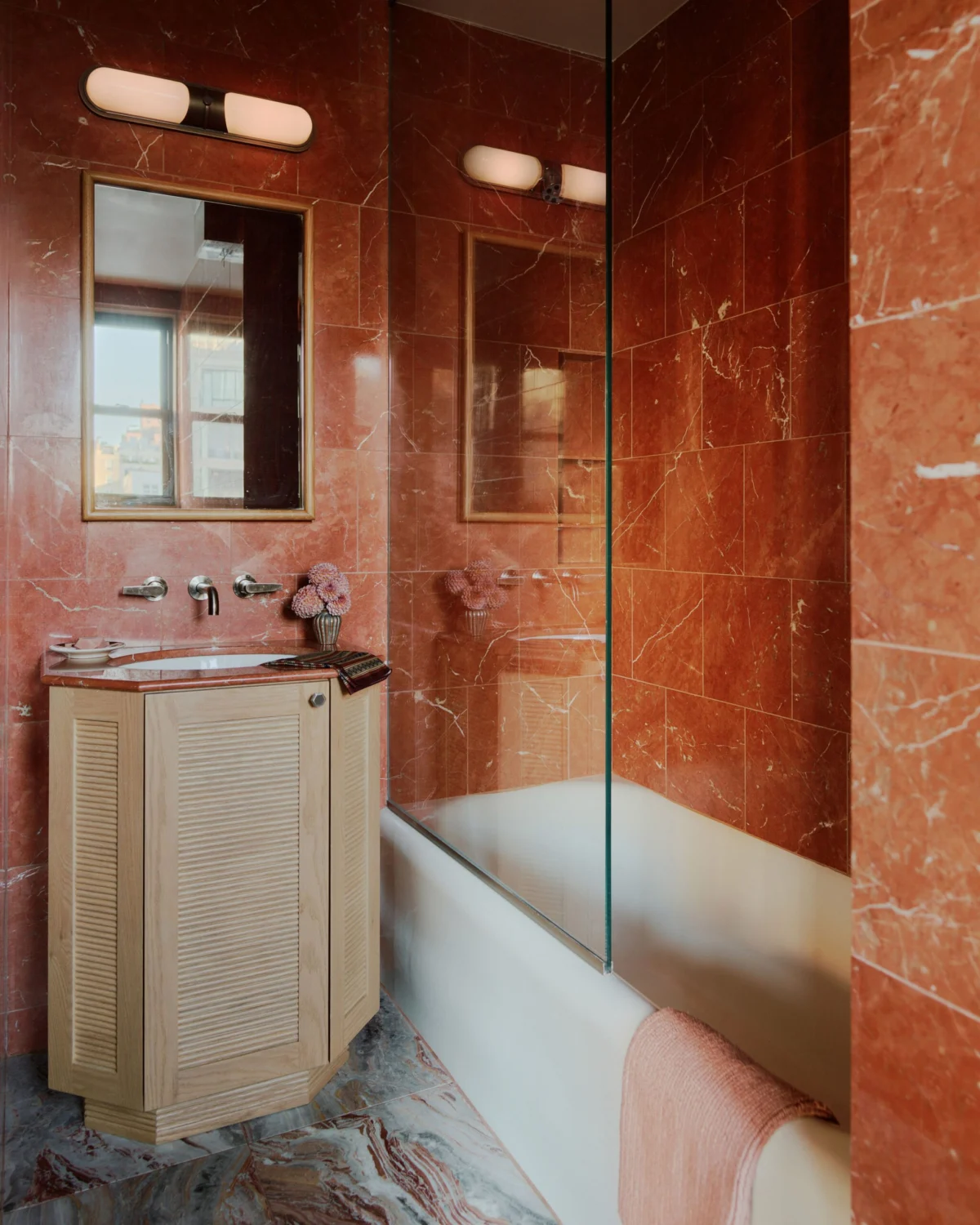
The Urbanization of Interior Design: Why Scale Matters
The demand for petite bathroom fixtures has surged alongside global urbanization trends. In major metropolitan hubs such as New York City, London, and San Francisco, the average size of a standard bathroom in an older apartment building often hovers around 35 to 40 square feet. This architectural reality has forced a shift in the interior design market, moving away from the oversized, sprawling cabinetry of the late 20th century toward more agile, "leggy," or wall-mounted silhouettes.

Market data from the National Kitchen & Bath Association (NKBA) indicates that "space-saving" remains a top-three priority for homeowners undergoing renovations in 2024. This has prompted heritage brands and modern retailers alike to re-engineer their best-selling lines into "powder room" or "petite" versions, typically defined as units measuring between 18 and 25 inches in width. These dimensions allow for the installation of a functional basin and countertop while maintaining the necessary clearance for doorways and shower entries.
A Chronology of the Modern Vanity
The evolution of the bathroom vanity reflects broader changes in domestic life. Historically, the "washstand" was a simple wooden table designed to hold a basin and pitcher. As indoor plumbing became standardized in the early 20th century, these evolved into pedestal sinks, which offered a clean, airy look but lacked any storage capacity for modern toiletries. By the 1950s and 60s, the "built-in" vanity became the suburban standard, prioritizing cabinet space over floor area.

Today’s design landscape represents a synthesis of these eras. Modern consumers seek the storage benefits of the mid-century cabinet with the visual lightness of the antique washstand. This "hybrid" approach is evident in the current market’s emphasis on lofted bases, open shelving, and integrated basins that maximize the utility of a small footprint.
Top Market Selections for Compact Washrooms
The following curation identifies the leading options in the small-vanity sector, categorized by design aesthetic and functional strengths.
.jpeg)
The Cottagecore Influence: Birch Lane Julliette Vanity
The "Cottagecore" movement, which celebrates a return to traditional, rural-inspired aesthetics, has significantly impacted bathroom design. The Birch Lane Julliette Vanity serves as a primary example of this trend. Featuring a wavy wooden bottom panel and a distinct blue hue, the unit bridges the gap between playful and sophisticated.
- Key Features: Contrasting ceramic drawer pulls and a cultured marble top.
- Design Utility: Its charm makes it suitable for children’s bathrooms, yet its construction is durable enough for high-traffic guest powder rooms.
Space-Inclusive Minimalism: West Elm Solstice Single Vanity
West Elm has positioned itself as a leader in space-inclusive furniture. The Solstice model is one of the slimmest professional-grade vanities available, measuring a mere 22 inches in width.

- Storage Strategy: Despite its narrow profile, it incorporates three spacious internal cubbies, allowing for the compartmentalization of cleaning supplies and paper products.
- Aesthetic: The rounded edges provide a softening effect in rooms dominated by the hard angles of tile and glass.
Designer Collaborations: Hawser Bath Vanity by Sarah Sherman Samuel
Collaborations between retailers and independent designers have brought "high-design" concepts to the mass market. The Hawser Vanity, designed by Sarah Sherman Samuel for Lulu and Georgia, utilizes exaggerated spiral legs to add a sculptural element to a small space. Samuel, known for her work on high-profile projects like Mandy Moore’s Altadena home, emphasizes furniture that doubles as art.
Material Sophistication: Arhaus Provo Powder Vanity
For those prioritizing durability and high-end materials, the Arhaus Provo utilizes natural grain oakwood paired with either Calacatta or cream Carrara marble.
.jpeg)
- Architectural Detail: Carved cabinet doors provide a textural element that prevents the small unit from appearing monolithic.
- Ergonomics: The grounded base prevents small items from rolling underneath, a common nuisance in compact bathrooms.
The Retro-Countryside Washstand: Rejuvenation Madrona
The Rejuvenation Madrona Console Sink leans into the "French Countryside" aesthetic. Unlike traditional vanities, this is a washstand-style fixture that lacks built-in cabinetry.
- Storage Workaround: Design experts suggest pairing this unit with weathered wicker baskets or slim rolling carts—such as the Yamazaki Home Slim Rolling Storage Cart—to manage supplies.
- Visual Impact: The open-frame design makes the floor visible, which psychologically expands the perceived size of the room.
Technical Specifications and Installation Considerations
When selecting a small vanity, the aesthetic is only one half of the equation; technical compatibility is paramount. Professional installers highlight several data points that consumers often overlook:
.jpeg)
- Plumbing Alignment: Traditional vanities with drawers often require "U-shaped" drawer boxes to clear the P-trap (the plumbing pipe under the sink). Consumers must ensure that the vanity’s internal configuration matches their existing wall-drain height.
- Countertop Overhang: A vanity listed at 24 inches wide may have a countertop that extends an extra half-inch on either side. In a "tight squeeze," these fractions can prevent a door from opening or a toilet from meeting code-required clearance.
- Material Weight: Solid marble tops, such as those found on the Arhaus or Pottery Barn models, add significant weight. For wall-mounted or "floating" vanities, structural wall blocking is required to prevent the unit from pulling away from the drywall.
Storage Optimization: The Role of Secondary Fixtures
A small vanity rarely acts alone in a successful bathroom design. To maintain the "considered, not cluttered" look, designers recommend a layered storage approach. This includes:
- Medicine Cabinets: Recessing a medicine cabinet into the wall provides eye-level storage without protruding into the room.
- Vertical Shelving: Utilizing the space above the toilet for discreet shelving can house towels and decorative items.
- Mobile Solutions: The Yamazaki Home Slim Rolling Cart, a favorite among New York City residents, is specifically designed to fit into the 5-inch gaps often found between a vanity and a shower.
The Broader Impact on Real Estate Value
Investing in a high-quality small vanity is more than a cosmetic upgrade; it is a strategic real estate move. According to Zillow’s 2023 interior trend report, bathrooms are one of the most influential rooms for potential homebuyers. A well-designed powder room that maximizes its small footprint can yield a higher return on investment (ROI) than many larger-scale renovations.
.jpeg)
The shift toward "luxury in small packages" suggests that consumers are no longer willing to sacrifice style for square footage. By choosing vanities with fluted fronts (like the Birch Lane Dansfield), handmade vessel sinks (like the West Elm Manhattan), or sculptural mixed materials (like the AllModern Kimber), homeowners can transform a utilitarian "half-bath" into a design-forward sanctuary.
Conclusion: The Future of Small-Space Living
As housing markets continue to favor density, the innovation in small-scale furniture will likely accelerate. We are seeing an increase in the use of "smart" materials—anti-microbial surfaces and moisture-resistant finishes—that ensure these petite fixtures last as long as their full-sized counterparts. The Best Small Bathroom Vanities for Tight Squeezes are those that recognize that a lack of space should never equate to a lack of style. Through thoughtful selection and strategic storage, even the smallest washroom can achieve the "en suite vibes" that define modern luxury.