Nila Kartika Wati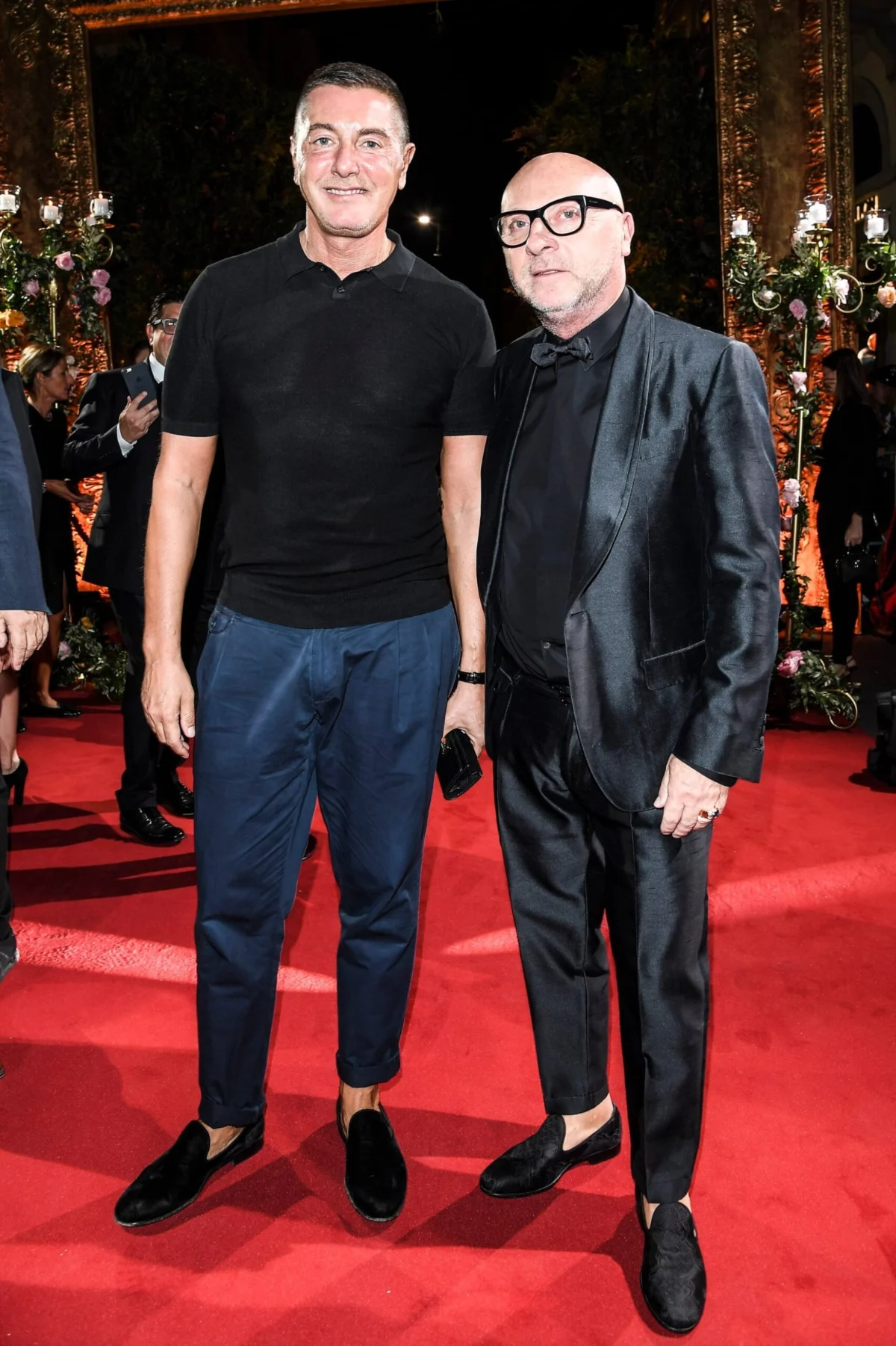
The future of a significant portion of the iconic Italian fashion house Dolce & Gabbana is reportedly under consideration, as co-founder Stefano Gabbana is exploring strategic options for his approximately 40 percent stake in the company. This move comes at a critical juncture, preceding imminent negotiations with creditors, a development that could reshape the ownership landscape of one of the world’s most recognizable luxury brands. While details remain scarce, the timing suggests a proactive approach to fortify the company’s financial standing and ensure its continued prosperity.
Background: A Legacy of Italian Glamour and Global Influence
Dolce & Gabbana, a brand synonymous with opulent Italian style, sensuality, and unapologetic maximalism, was founded in 1985 by Domenico Dolce and Stefano Gabbana. The duo quickly rose to prominence, capturing the essence of Sicilian heritage and translating it into a global fashion phenomenon. Their designs, characterized by bold prints, intricate embellishments, and a celebration of the female form, have graced runways and red carpets for decades, becoming a staple for celebrities and fashion aficionados alike.
The brand’s journey has been marked by consistent growth and expansion beyond its core apparel and accessories lines. Dolce & Gabbana has ventured into fragrances, eyewear, home décor, and even hospitality, demonstrating a strategic vision to build a comprehensive luxury lifestyle empire. Despite occasional controversies, the brand has maintained a formidable presence in the global luxury market, consistently ranking among the top-tier fashion houses.
However, the fashion industry, particularly the luxury sector, is not immune to economic headwinds and evolving consumer preferences. Increased competition, the rise of digital retail, and shifts in demand necessitate continuous adaptation and strategic financial planning. It is within this dynamic context that Stefano Gabbana’s reported exploration of his stake gains particular significance.
The Current Financial Landscape and Creditor Negotiations
The precise nature of the "creditor negotiations" has not been publicly disclosed. However, in the corporate world, such discussions often arise when a company seeks to restructure its debt, secure new financing, or address existing financial obligations. For a privately held entity like Dolce & Gabbana, where ownership is concentrated among its founders and potentially other private investors, a significant stake holder like Stefano Gabbana exploring options would be a crucial element in any financial maneuver.
Creditor negotiations can range from straightforward refinancing of existing loans to more complex debt-for-equity swaps or outright asset sales. The fact that Gabbana is reportedly considering his stake ahead of these negotiations suggests a potential strategy to leverage his ownership to facilitate these discussions, perhaps by offering a pathway for creditors to gain a more direct interest in the company’s future, or by freeing up capital that could be reinvested or used to satisfy outstanding debts.
Potential Implications of a Stake Sale
The implications of Stefano Gabbana divesting any portion of his stake are multifaceted.
Financial Restructuring and Stability
One primary implication is the potential for a significant financial infusion or restructuring. If Gabbana were to sell a portion of his stake, the proceeds could be used to pay down debt, bolster the company’s cash reserves, or fund new strategic initiatives. This could significantly strengthen Dolce & Gabbana’s financial resilience, enabling it to navigate potential economic downturns or capitalize on emerging market opportunities.
Ownership Dynamics and Future Direction
A sale of shares would inevitably alter the ownership structure of Dolce & Gabbana. Depending on who acquires the stake – whether it’s existing partners, new investors, or even a private equity firm – this could influence the brand’s future strategic direction. While Domenico Dolce and Stefano Gabbana have historically operated in tandem, a change in ownership could introduce new perspectives and priorities, potentially impacting creative direction, expansion plans, or operational strategies.
Market Perception and Investor Confidence
The market’s reaction to such a development would be closely watched. If the sale is perceived as a move to strengthen the company’s financial foundation and secure its long-term viability, it could boost investor confidence and signal a positive outlook. Conversely, if it were to be interpreted as a sign of distress, it could lead to increased scrutiny from financial markets and potentially affect the brand’s valuation.
Supporting Data and Industry Context
The global luxury goods market, while resilient, has experienced shifts. According to Bain & Company, the personal luxury goods market was estimated to reach €307 billion in 2023, with continued growth projected. However, the competitive landscape is intensifying, with established players facing challenges from emerging brands and evolving consumer behaviors, particularly among younger demographics who prioritize sustainability and digital engagement.
Dolce & Gabbana, like many heritage luxury brands, has been adapting to these trends. The brand has been increasingly active in digital marketing and e-commerce, and has also been investing in experiential retail. However, the financial health and strategic flexibility of a company are paramount in maintaining its competitive edge.
In recent years, several luxury fashion houses have seen shifts in ownership. For instance, LVMH Moët Hennessy Louis Vuitton and Kering, the two largest luxury conglomerates, have a history of strategic acquisitions and stake-building. Private equity firms have also been active in acquiring stakes in or outright purchasing well-established fashion brands, seeking to leverage their expertise in operational efficiency and growth strategies. The possibility of a private equity firm entering the Dolce & Gabbana ownership structure cannot be ruled out, given the brand’s strong global recognition and established market position.
Previous Financial Considerations and Milestones
Dolce & Gabbana has a history of navigating financial complexities. In 2004, the company bought back its shares from the investment fund Etoile S.p.A., regaining full control and ownership. More recently, reports in 2021 indicated that the company was exploring options for external financing, including potential partnerships or the sale of a minority stake, to fuel its expansion plans, particularly in the burgeoning Chinese market. This suggests a recurring theme of seeking financial leverage to support ambitious growth objectives.
The current scenario, however, appears to be more directly linked to creditor negotiations, implying a need to address existing financial liabilities or to proactively manage its debt structure. The specifics of these liabilities and the potential impact of Gabbana’s stake on their resolution remain a critical point of interest.
Anticipated Responses and Market Reactions
While official statements from Dolce & Gabbana or Stefano Gabbana have not been released, industry observers will be keenly awaiting any confirmation or denial of these reports. Domenico Dolce, as the other principal co-founder, would also be a key figure in any such strategic discussions. Their continued partnership and shared vision have been instrumental to the brand’s success, and any significant change in ownership would likely involve their alignment.
Creditors, on their part, would be keen to ensure the stability and profitability of Dolce & Gabbana to secure their investments. The potential involvement of Stefano Gabbana’s stake in these negotiations could provide a clear path for resolving financial concerns and reaffirming the company’s long-term prospects.
Broader Impact and Future Outlook
The outcome of Stefano Gabbana’s stake considerations and the subsequent creditor negotiations will have a tangible impact on Dolce & Gabbana’s trajectory. A successful resolution could pave the way for renewed investment in innovation, market expansion, and talent acquisition, solidifying its position as a leader in the luxury fashion industry.
Conversely, any protracted or unfavorable outcome could lead to a period of uncertainty, potentially impacting brand perception and operational efficiency. The fashion industry, with its inherent cyclicality and dependence on consumer sentiment, requires robust financial underpinnings to thrive.
As the fashion world continues to evolve, with increasing emphasis on sustainability, digitalization, and diversified revenue streams, the strategic financial decisions made by brands like Dolce & Gabbana are more critical than ever. Stefano Gabbana’s reported exploration of his stake underscores the complex interplay between creative vision, brand legacy, and the pragmatic financial realities that shape the destiny of global luxury houses. The coming weeks and months are likely to reveal more about the specific nature of these negotiations and their implications for one of Italy’s most celebrated fashion icons.