
 Johny Marice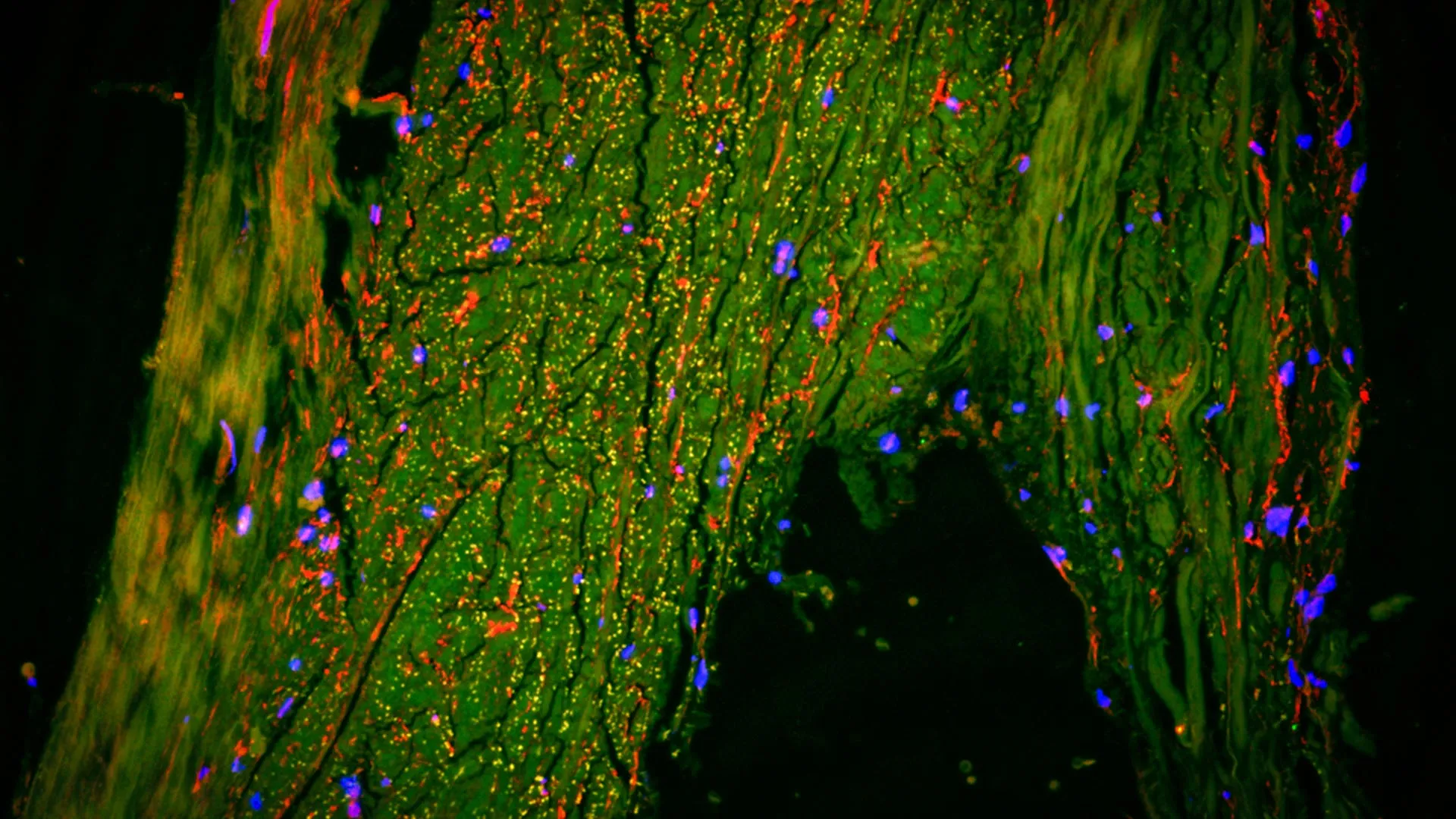
The intricate mechanisms by which the human brain disposes of waste products have long been a subject of intense scientific scrutiny. A groundbreaking new study, published in the esteemed journal iScience, has unveiled a previously unrecognized control point within the brain’s specialized drainage network, pushing the boundaries of neuroimaging technology and fundamentally altering our understanding of how the brain maintains its pristine internal environment. Researchers at the Medical University of South Carolina (MUSC), leveraging cutting-edge real-time Magnetic Resonance Imaging (MRI) techniques developed in collaboration with NASA, have provided the first direct human evidence that the middle meningeal artery (MMA) plays a critical, previously unappreciated role in the clearance of fluids and metabolic byproducts from the brain.
Unveiling a Novel Drainage Pathway
For decades, the brain was largely considered an immunologically privileged organ, isolated from the body’s systemic lymphatic system. This view, however, has been progressively challenged over the past ten years, with accumulating evidence suggesting a more interconnected relationship. The meninges, the protective layers of membranes surrounding the brain and spinal cord, are now understood to harbor lymphatic vessels capable of draining waste. The current study, led by Dr. Onder Albayram, an associate professor in the Department of Pathology and Laboratory Medicine at MUSC, has identified the MMA not merely as a blood conduit, but as an integral component of this vital clearance system.
The research team employed advanced, real-time MRI technology, originally conceived to observe the effects of spaceflight on fluid dynamics within the brain. This sophisticated imaging modality allowed them to meticulously track the movement of cerebrospinal fluid (CSF) and interstitial fluid (ISF) along the MMA in five healthy human participants over a six-hour period. The observations were striking and unexpected. Unlike the rapid, dynamic flow characteristic of arterial blood, the fluid movement along the MMA was significantly slower and more consistent, exhibiting a pattern indicative of a drainage mechanism rather than active circulation.
"We observed a flow pattern that didn’t behave like blood moving through an artery; it was slower, more like drainage, showing that this vessel is part of the brain’s cleanup system," stated Dr. Albayram. This finding directly challenges the conventional understanding of the MMA’s function, suggesting it acts as a critical conduit for the removal of waste products. The implications of this discovery are profound, potentially reshaping therapeutic strategies for a spectrum of neurological and psychiatric disorders.
The Evolution of Understanding: From Isolation to Integration
The historical perspective of the brain as a secluded sanctuary has significantly evolved. The meninges, comprising the dura mater, arachnoid mater, and pia mater, were long believed to create a formidable barrier, effectively segregating the central nervous system from the body’s immune and lymphatic networks. This paradigm began to shift with the pioneering work of researchers like Dr. Albayram, who dedicated years to meticulously investigating the presence and function of lymphatic vessels within the meninges. His previous research, including a landmark 2022 study published in Nature Communications, provided crucial visual evidence of these meningeal lymphatic vessels in humans, demonstrating their role as conduits for waste removal.
The current study builds directly upon this foundation, offering a dynamic, real-time visualization of fluid flow within these deep lymphatic structures, specifically highlighting the MMA’s involvement. The slow, steady movement of fluids observed via MRI strongly suggests that the MMA is not solely a component of the circulatory system but is intricately involved in the brain’s glymphatic system, the brain’s unique waste removal process.
Corroborating Evidence: Imaging Meets Histology
To solidify their findings and provide irrefutable biological evidence, the MUSC team collaborated with scientists at Cornell University. They employed ultra-high-resolution imaging techniques on human brain tissue, a method that allows for the simultaneous visualization of multiple cell types. This detailed histological analysis revealed that the tissue surrounding the MMA is rich in cells typically associated with lymphatic vessels. These cell types are the same as those responsible for waste clearance throughout the rest of the body, reinforcing the functional connection between the MMA and the brain’s lymphatic drainage.
The convergence of real-time imaging data, which demonstrated the slow, deliberate movement of fluid along the MMA, and the histological confirmation of lymphatic vessel-associated cells in the same region, provides a robust and compelling case. It confirms that the observed fluid is indeed traversing lymphatic pathways, directly linking the dynamic MRI scans to tangible biological structures. This dual approach, combining in vivo imaging with ex vivo tissue analysis, represents a significant advancement in our ability to study the brain’s complex fluid dynamics.
A Focus on Healthy Brains: Establishing the Baseline
A key methodological strength of this research lies in its deliberate focus on studying healthy individuals. By establishing a clear understanding of how the brain’s waste clearance system functions under normal physiological conditions, researchers can more effectively identify and interpret deviations associated with disease. This "baseline" approach is crucial for understanding the pathogenesis of various neurological conditions.
The researchers posit that disruptions in this drainage system may contribute to the progression of conditions such as traumatic brain injury (TBI) and neurodegenerative diseases. For instance, impaired waste clearance in TBI could exacerbate secondary injury mechanisms, while in Alzheimer’s disease, the accumulation of toxic protein aggregates like amyloid-beta is a hallmark, suggesting a potential failure of the glymphatic system.
Timeline of Discovery and Technological Advancements
The journey to this pivotal discovery has been a gradual process, marked by significant technological advancements and evolving scientific understanding:
- Early 2000s: Initial conceptualization of the glymphatic system, primarily based on animal models, suggesting a mechanism for CSF-driven waste removal from the brain.
- 2015: Landmark studies by Nedergaard’s lab demonstrate the existence of a functional glymphatic system in the mouse brain, highlighting the role of aquaporin-4 water channels and the interstitial space.
- 2010s-Present: Growing evidence suggests the presence and function of meningeal lymphatic vessels, challenging the notion of brain isolation. This period sees increased efforts to develop imaging techniques capable of visualizing these structures in vivo in humans.
- 2020: Dr. Albayram and colleagues utilize advanced MRI techniques to visualize meningeal lymphatic vessels in humans for the first time, published in Nature Communications in 2022. This study confirms the anatomical existence of these vessels.
- 2021-2023: The MUSC team, in collaboration with NASA, adapts and refines real-time MRI technology to observe dynamic fluid flow within these meningeal structures.
- 2024: Publication of the iScience study, providing direct human evidence of the MMA’s role as a critical control point in the brain’s lymphatic drainage system, supported by histological validation.
The development of advanced MRI techniques, particularly those designed to capture real-time fluid movement, has been instrumental. The collaboration with NASA, which originally aimed to study the effects of microgravity on brain fluid dynamics, serendipitously provided the tools necessary to unlock these secrets of the human brain’s waste management system.
Implications for Neurological and Psychiatric Disorders
The implications of this discovery are far-reaching, offering new avenues for research and therapeutic intervention across a broad spectrum of neurological and psychiatric conditions.
Alzheimer’s Disease and Neurodegeneration:
The accumulation of misfolded proteins, such as amyloid-beta and tau, is a central feature of Alzheimer’s disease and other neurodegenerative disorders. Impaired lymphatic drainage could lead to the build-up of these toxic aggregates, contributing to neuronal dysfunction and cell death. Understanding how the MMA and associated lymphatic vessels contribute to the clearance of these proteins could pave the way for novel diagnostic markers and therapeutic targets aimed at enhancing waste removal. For instance, strategies to boost the efficiency of this drainage system, perhaps through pharmacological interventions or lifestyle modifications, might offer a new approach to slowing or even preventing disease progression.
Traumatic Brain Injury (TBI):
Following TBI, the brain experiences swelling and inflammation, further compromising its ability to clear metabolic waste and debris. The discovery of the MMA’s role in lymphatic drainage suggests that its dysfunction could exacerbate the secondary injury cascade. Research into how TBI affects the integrity and function of the MMA and meningeal lymphatics could lead to interventions designed to restore drainage and mitigate long-term neurological deficits.
Aging and Brain Health:
As the brain ages, its waste clearance efficiency naturally declines. This decline is thought to contribute to age-related cognitive impairment and an increased susceptibility to neurodegenerative diseases. The identification of the MMA as a key component of the brain’s drainage system provides a new focus for understanding and potentially intervening in the aging process of the brain. Maintaining optimal function of this system could be crucial for preserving cognitive health throughout the lifespan.
Inflammation and Autoimmune Conditions:
The brain’s lymphatic system plays a role in immune surveillance and the regulation of neuroinflammation. Dysfunctional drainage could lead to the inappropriate accumulation of inflammatory mediators, contributing to conditions like multiple sclerosis and other autoimmune disorders affecting the central nervous system. Targeting this drainage pathway could offer a novel approach to modulating neuroinflammation.
Psychiatric Disorders:
Emerging research suggests a potential link between glymphatic dysfunction and psychiatric conditions, including depression and schizophrenia. While the exact mechanisms are still being elucidated, impaired waste clearance could contribute to altered brain chemistry and neuronal circuit function. Further investigation into the MMA’s role in waste removal may shed light on the neurobiological underpinnings of these complex disorders.
Future Directions and the Pursuit of "Normal"
Dr. Albayram emphasized the critical importance of understanding the baseline functioning of a healthy brain before delving into disease states. "A major challenge in brain research is that we still don’t fully understand how a healthy brain functions and ages," he stated. "Once we understand what ‘normal’ looks like, we can recognize early signs of disease and design better treatments."
The research team is already actively pursuing this goal, expanding their investigations to include individuals with various neurodegenerative diseases. The long-term vision is to leverage this enhanced understanding to improve early diagnosis, develop effective preventive strategies, and ultimately create more targeted and efficacious treatments for a wide array of brain disorders. The discovery of the MMA’s central role in the brain’s waste disposal system marks a significant milestone, opening up exciting new frontiers in neuroscience and offering renewed hope for millions affected by neurological and psychiatric conditions worldwide.








