Danny Garick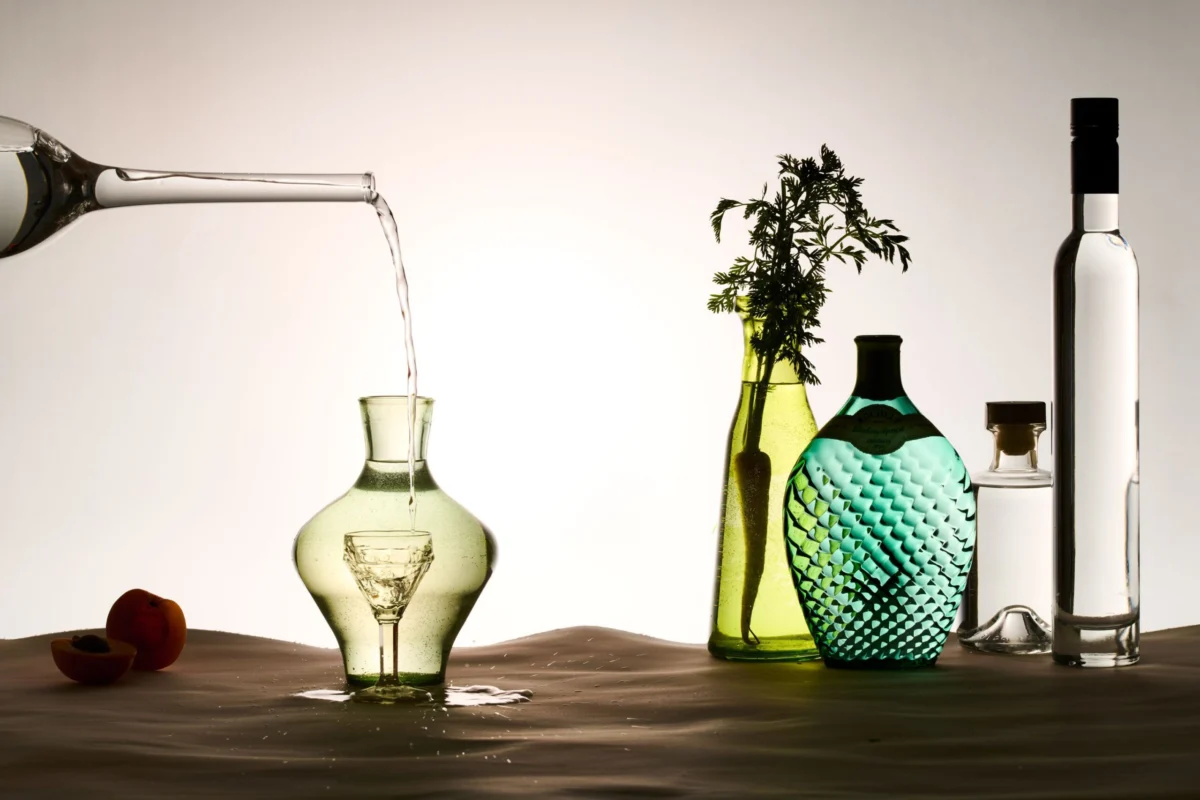
For the majority of American consumers, ordering a glass of crystal-clear eau-de-vie remains a more daunting prospect than selecting a familiar Negroni or a standard Sauvignon Blanc. Despite a significant shift in domestic drinking habits—whereby consumers have increasingly embraced the European tradition of concluding meals with herbal digestifs such as Chartreuse or amaro—this curiously potent fruit brandy occupies a relatively niche position in the United States beverage landscape. However, industry experts and high-end hospitality directors are beginning to observe a shift in perception as the spirit finds a new audience among connoisseurs seeking purity of flavor and artisanal complexity.
In the contemporary American bar program, eau-de-vie is frequently a hand-sold item, requiring a level of education that more established spirits do not. Jill Mott, the director of wine at The Carlyle in New York City, notes that the spirit is often relegated to a specific menu section that necessitates a formal introduction by the staff. At Dowling’s restaurant and the legendary Café Carlyle, Mott utilizes a strategy of experiential education, offering tastes of eau-de-vie to guests who express an interest in more traditional aged brandies like Cognac or Armagnac. By bridging the gap between familiar oak-aged spirits and the clear intensity of eau-de-vie, sommeliers are successfully piquing the interest of a demographic that values transparency and craftsmanship.
The Technical Foundations of the Water of Life
The term "eau-de-vie," translated from French as "water of life," refers to a clear, colorless fruit brandy that is produced through the fermentation and double distillation of fruit or, occasionally, vegetables. Unlike Cognac or bourbon, which derive much of their flavor, color, and tannic structure from years of maturation in charred oak barrels, eau-de-vie is designed to be the purest possible expression of its base ingredient.
The production process is deceptively simple yet requires extreme precision. Producers begin by harvesting fruit or vegetables at the absolute peak of ripeness to ensure maximum sugar content and aromatic intensity. The raw material is crushed and allowed to ferment, converting natural sugars into alcohol. This fermented "wash" is then distilled, a process that concentrates both the alcohol levels and the volatile aromatic compounds. Crucially, the resulting distillate is rested in neutral containers—typically glass carboys or stainless steel tanks—rather than oak. This resting period allows the flavors to meld and the "heat" of the alcohol to soften without the interference of wood-derived vanillins or tannins.
The efficiency of this process is remarkably low, which accounts for the premium pricing of high-quality expressions. For instance, it can take upwards of 30 to 40 pounds of fruit to produce a single 750ml bottle of top-tier eau-de-vie. This high concentration of raw material is what gives the spirit its signature ability to smell and taste more like the fruit than the fruit itself.

The Evolution of the American Palate: From Whiskey to Brandy
While the beverage industry often compares eau-de-vie to French brandies, some market analysts see a surprising connection to the American whiskey boom. Nicolas Palazzi, the Chief Growth Officer at PM Spirits, suggests that the trajectory of the modern spirits enthusiast often leads toward eau-de-vie as a final destination of sophistication.
According to Palazzi, many American drinkers began their journey with bourbon and rye, spirits characterized by bold, assertive notes of coconut, cinnamon, and caramel derived from new charred oak. Once these consumers have explored the limits of "big" whiskey flavors, they frequently seek out spirits offering greater elegance and "terroir"—the sense of place and raw material. This evolution typically leads them first to aged brandies and eventually to the unadorned, crystalline complexity of eau-de-vie. PM Spirits, which imports a diverse portfolio of more than five distinct eaux-de-vie from global producers, has positioned these products as the logical next step for the "post-whiskey" palate.
Regional Developments and the Rise of the Hudson Valley
While Europe—specifically France, Germany, and Austria—has historically been the epicenter of eau-de-vie production, the United States is witnessing a domestic resurgence, particularly in the Hudson Valley region of New York. The growth of the New York craft spirits movement can be traced back to legislative shifts such as the 2007 Farm Distillery Act, which lowered licensing fees and allowed small-scale producers to sell directly to consumers, provided they used a high percentage of in-state agricultural products.
This legislative environment has fostered a new generation of distillers who are utilizing the Hudson Valley’s rich agricultural output to create fruit brandies that rival European standards. These domestic producers are moving away from the overly sweet, artificially flavored "schnapps" that tarnished the category’s reputation in the late 20th century, focusing instead on dry, aromatic, and structurally sound distillates.
Analytical Profile of Modern Expressions
To understand the breadth of the category, one must examine the diverse raw materials currently being utilized by master distillers. Three specific bottles currently on the market illustrate the range from traditional fruit to avant-garde vegetable distillates.
Reisetbauer Carrot: A Study in Aromatics
Produced by Hans Reisetbauer in Axberg, Austria, the Reisetbauer Carrot eau-de-vie is frequently cited by sommeliers as a masterclass in the transformative power of distillation. Reisetbauer is known for his obsessive attention to detail, utilizing roughly 35 kilograms of carrots to produce just one liter of spirit.

While the source material is a humble root vegetable, the distillation process coaxes out unexpectedly sweet, tropical notes. Tasters frequently report aromas of mango, papaya, and pineapple, creating a sensory dissonance that requires the consumer to confirm the label’s "carrot" designation. This expression highlights the ability of eau-de-vie to isolate and amplify specific esters that are often hidden in the raw ingredient.
Branchwater Black Currant: The Hudson Valley Terroir
Branchwater Farms, located in Staatsburg, New York, represents the pinnacle of the American craft movement. Founded by Kevin Pike, a veteran of the wine industry, the distillery applies a "wine-grower’s" mentality to spirits. Their Black Currant eau-de-vie is a standout example of how New York fruit can be translated into a world-class digestif.
The spirit offers a tangy acidity balanced by a rolling sweetness, capturing the tart, earthy essence of black currants (Ribes nigrum). The history of black currants in the U.S. is itself significant; the fruit was banned federally for decades due to its role in spreading white pine blister rust. Since the lifting of the ban, New York has become a primary hub for currant cultivation, and Branchwater’s distillation serves as a liquid record of this agricultural revival.
Rochelt Wachau Apricot: The Pinnacle of Maturation
For those seeking the luxury tier of the category, the Rochelt distillery in the Tyrol region of Austria offers expressions that undergo extraordinary maturation periods. Their Wachau Apricot eau-de-vie is crafted from Klosterneuburger apricots harvested in the UNESCO-protected Wachau Valley.
Unlike most clear spirits, which are bottled shortly after distillation, Rochelt matures its distillates for a minimum of nine years in open glass carboys. This allows for a slow, natural oxidation and evaporation (the "angels’ share"), which concentrates the flavors and creates a velvety texture. The result is a jammy, floral spirit with deep undercurrents of baking spice. Given the time and resource investment, these bottles are positioned as milestone spirits, often commanding prices that exceed high-end vintage Cognacs.
Economic Implications and the Premiumization Trend
The rise of eau-de-vie aligns with a broader trend in the global spirits market known as "premiumization." Data from the Distilled Spirits Council of the United States (DISCUS) indicates that while overall volume growth in the spirits sector has stabilized, the "super-premium" and "luxury" segments continue to see robust value growth.

Consumers are increasingly following the "drink less, but drink better" philosophy. Eau-de-vie fits perfectly into this paradigm. Because of its high proof and intense aromatic profile, it is typically consumed in small quantities—often just one ounce at the end of a meal. This makes it an attractive option for health-conscious consumers who want a high-quality sensory experience without the volume of a cocktail or a bottle of wine.
Broader Impact and Future Outlook
The integration of eau-de-vie into the American beverage program represents more than just a trend in spirits; it reflects a deepening of the culinary relationship between the farm and the glass. By highlighting specific fruit varieties and regional agricultural traditions, distillers are providing a new revenue stream for fruit growers and preserving heirloom varieties that might otherwise be lost to industrial farming.
As the American palate continues to move away from the heavy influence of oak and toward the clarity of raw materials, eau-de-vie is poised to move from the "hidden" section of the menu to a prominent position on the back bar. While it may never reach the volume of vodka or gin, its role as the "purest expression" of the distiller’s art ensures its status as a vital component of the modern gastronomic experience. The transition from a "dicey order" to a respected staple is well underway, driven by a combination of expert education, agricultural excellence, and a consumer base that is finally ready to embrace the "water of life."