Ferry Irwandi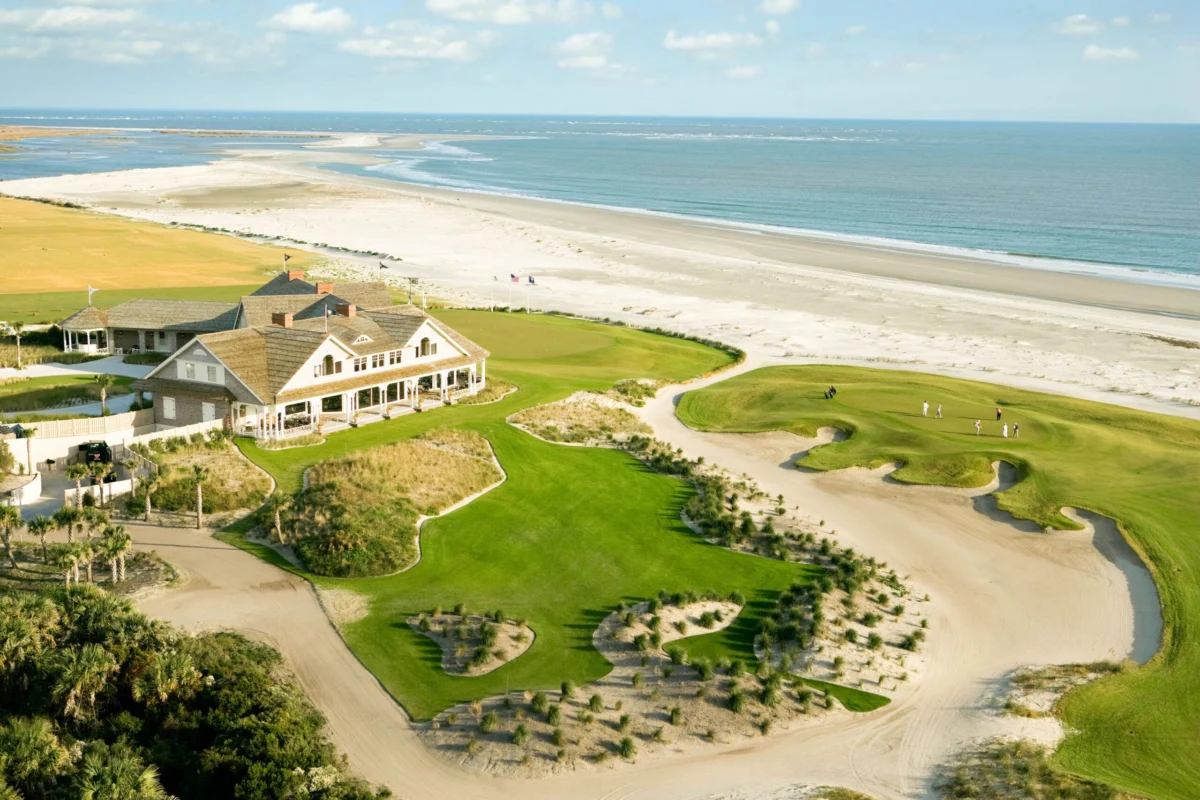
South Carolina’s coastline, stretching approximately 187 miles along the Atlantic Ocean, represents one of the most significant economic and ecological corridors in the Southeastern United States. Characterized by a unique geography of barrier islands, tidal rivers, and expansive salt marshes, the Palmetto State’s beaches offer a diverse array of experiences ranging from high-energy resort hubs to secluded natural preserves. According to data from the South Carolina Department of Parks, Recreation, and Tourism (SCPRT), the tourism industry accounts for a $29 billion economic impact annually, with the coastal counties of Charleston, Horry, and Beaufort serving as the primary engines of this growth.
The Seasonal Dynamics of South Carolina Tourism
While South Carolina is often categorized as a summer destination, meteorological data and travel patterns suggest a more nuanced reality. The "prime season" for beach activities typically spans from May through October. During this window, water temperatures in the Atlantic fluctuate between 75°F and 82°F, while air temperatures frequently reach the high 80s, accompanied by the region’s signature humidity.
However, the "shoulder seasons"—specifically April and October—have seen a marked increase in visitation. These months offer a temperate climate with average highs in the mid-70s, providing ideal conditions for outdoor recreation without the peak-summer heat. Even in winter, the coast remains a viable destination for "lifestyle travelers." While swimming is less common, the bright sunshine and high-cloud days of January and February offer a "moody serenity" that appeals to shell collectors and nature enthusiasts. Local hospitality experts note that the off-season provides a 30% to 50% reduction in lodging rates, making it a strategic choice for budget-conscious visitors.

The Geography of the Barrier Islands
The majority of South Carolina’s premier beaches are situated on barrier islands. These geological formations are separated from the mainland by vast networks of marshland and maritime forests. This separation has historically dictated the development patterns of the state’s coastal communities. Each island has evolved with a distinct character, influenced by its proximity to urban centers like Charleston or its history as a private plantation or military outpost.
Isle of Palms: A Residential Luxury Hub
Located just 12 miles from historic Charleston, the Isle of Palms (IOP) serves as a premier example of a high-end residential beach community. The island is characterized by multi-story oceanfront estates, often flanked by manicured palms and private pools.
Economic and Recreational Profile
IOP is a dual-purpose destination. It maintains a robust year-round residential population while hosting thousands of seasonal visitors. The island’s "Front Beach" area serves as the commercial nexus, featuring local boutiques and the iconic Windjammer. Established in 1972, the Windjammer has become a regional landmark for live music and beach culture, contributing significantly to the island’s evening economy. For eco-tourists, the Intracoastal Waterway side of the island offers extensive kayaking and paddleboarding opportunities, allowing for the observation of local avian species and bottlenose dolphins.
Sullivan’s Island: Preservation and History
Contiguous to the Isle of Palms but vastly different in temperament is Sullivan’s Island. This community is notable for its strict zoning regulations; there are no hotels or short-term rental complexes on the island, preserving a deeply residential and historic atmosphere.

Historical Significance
Sullivan’s Island is home to Fort Moultrie, a site of critical importance during the American Revolutionary War and the Civil War. This historical backdrop influences the island’s aesthetic, which favors natural preservation over commercial development. Beach access is organized by "stations"—a nomenclature dating back to the island’s trolley car era. These paths lead visitors through dense sea grass and scrub trees to a wide, expansive beachfront.
Modern Appeal
Travelers often frequent Middle Street, the island’s culinary district. Despite the lack of traditional lodging, the area experiences high traffic due to its reputation for high-quality dining. From the beach, the sight of massive shipping containers entering the Charleston Harbor provides a visual reminder of the state’s role in global maritime trade.
Kiawah Island and Beachwalker Park: Ecological Excellence
Further south lies Kiawah Island, a private gated community globally recognized for its luxury golf resorts and environmental stewardship. However, Beachwalker Park provides the general public with access to this pristine environment.
Conservation Efforts
Kiawah Island is a sanctuary for the Loggerhead sea turtle. Local conservationists and volunteers monitor the beach daily during nesting season (May through August) to protect nests from predators and human interference.
.jpg)
Rare Natural Phenomena
One of the most unique biological displays in the world occurs at the southern tip of Kiawah Island: dolphin strand feeding. This rare behavior involves pods of dolphins herding schools of fish onto the shore and briefly lunging onto the sand to consume them. Marine biologists note that this behavior is almost exclusively observed in the Lowcountry of South Carolina and Georgia, making Kiawah a critical site for wildlife photography and research.
Folly Beach: The "Edge of America"
Known colloquially as the "Edge of America," Folly Beach offers a stark contrast to the manicured lawns of Kiawah. It is characterized by a bohemian, surfer-centric culture and a laid-back atmosphere.
Infrastructure and Surfing
The Folly Beach Fishing Pier, which recently underwent a multi-million dollar reconstruction, extends over 1,000 feet into the Atlantic, serving as a hub for anglers and sightseers. At the northeastern end of the island lies "The Washout," widely considered the best surfing location in South Carolina due to the way the jetties at the mouth of the Charleston Harbor funnel waves.
Commercial Vitality
Center Street serves as the island’s main artery, packed with surf shops, seafood shacks, and eclectic bars. Economic data suggests that Folly Beach remains one of the most accessible coastal destinations for younger demographics and day-trippers from the Charleston mainland.

North Myrtle Beach: The Grand Strand’s Cultural Epicenter
The "Grand Strand" is a 60-mile continuous stretch of beach in northeastern South Carolina. While Myrtle Beach is the commercial heart, North Myrtle Beach offers a blend of retro nostalgia and modern luxury.
The Shag Dancing Legacy
North Myrtle Beach is the birthplace of the "Shag," the official state dance of South Carolina. The 1960s shag music culture remains vibrant in the Ocean Drive section, where beach music clubs host annual festivals that draw thousands of enthusiasts.
Diversified Tourism
The area is also a major driver for the state’s "golf tourism" sector. With over 80 championship courses in the surrounding area, the region attracts international travelers throughout the spring and fall. The Cherry Grove Pier remains a focal point for those seeking a traditional coastal experience, offering panoramic views of the high-rise skyline that defines this part of the coast.
Hilton Head Island: Master-Planned Grandeur
Hilton Head Island represents a significant chapter in American urban planning. Developed in the 1950s by Charles Fraser, it was the first eco-friendly, master-planned resort community in the United States.

Coligny Beach Park
While much of Hilton Head is composed of private "plantations" or gated communities, Coligny Beach Park serves as the island’s "public living room." The park features modern amenities, including a synchronized splash pad, changing facilities, and Wi-Fi-enabled swings.
Economic Impact
Hilton Head’s focus on blending luxury with nature has made it a perennial favorite in travel rankings. The island’s tourism bureau reports that the area welcomes more than 2.5 million visitors annually, contributing over $1.5 billion to the local economy. The beaches here are wide and flat, making them ideal for bicycling—a signature activity on the island.
Litchfield and the Hammock Coast: Lowcountry Serenity
In Georgetown County, the Litchfield and Pawleys Island area—often referred to as the "Hammock Coast"—offers a slower pace of life.
Historical and Natural Context
Litchfield is located near Brookgreen Gardens, the largest outdoor sculpture garden in the United States, and Huntington Beach State Park. The area is defined by its proximity to Murrells Inlet, known as the "Seafood Capital of South Carolina."

Residential Appeal
Litchfield is primarily a destination for families seeking weekly rentals. Unlike the high-rise developments of the Grand Strand, Litchfield maintains a lower profile, focusing on quiet beaches and proximity to the region’s salt marshes. Analysts suggest that this area appeals to a "legacy" demographic—families who have returned to the same rental homes for generations.
Broader Impact and Environmental Outlook
As South Carolina’s coastal destinations continue to grow in popularity, they face significant challenges related to environmental sustainability and infrastructure.
Beach Renourishment
Coastal erosion remains a persistent threat. The U.S. Army Corps of Engineers, in partnership with local municipalities, frequently engages in beach renourishment projects. These initiatives, which involve pumping millions of cubic yards of sand back onto depleted shorelines, are essential for protecting property values and maintaining the tourism infrastructure.
Infrastructure and Access
The surge in coastal population—South Carolina is currently one of the fastest-growing states in the U.S.—has put pressure on bridge systems and parking facilities. Local governments are increasingly looking toward "smart tourism" solutions, such as shuttle services and digital parking management, to mitigate the impact of peak-season crowds.

Conclusion
The beaches of South Carolina are more than just recreational sites; they are complex ecosystems and vital economic drivers. From the historical "stations" of Sullivan’s Island to the master-planned luxury of Hilton Head, the Palmetto State’s coast offers a comprehensive cross-section of American maritime life. As the state balances development with conservation, these coastal gems remain central to South Carolina’s identity and its future prosperity.