Nila Kartika Wati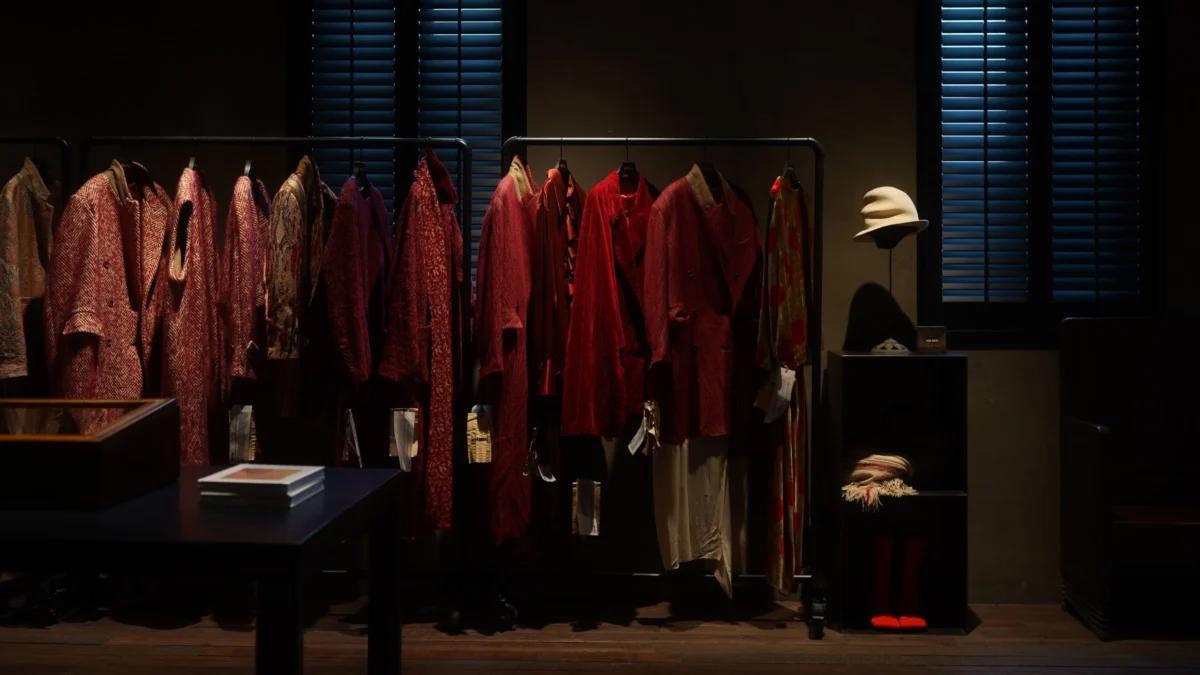
On his first visit to Shanghai since the onset of the global pandemic, Imran Amed, founder and CEO of The Business of Fashion, encountered a market profoundly altered. The vibrant metropolis, once a beacon of conspicuous consumption for Western luxury houses, now presents a more nuanced and sophisticated retail environment. The shift is palpable, moving away from overt status symbols towards a more understated "stealth wealth" aesthetic, a growing allegiance to domestic powerhouses, and an overarching emphasis on lifestyle integration rather than purely fashion-centric purchases. This evolution poses a critical question for international brands: can they adapt and regain their footing in this dynamic new China?
The Pre-Pandemic Era: A Boomtown for Global Fashion
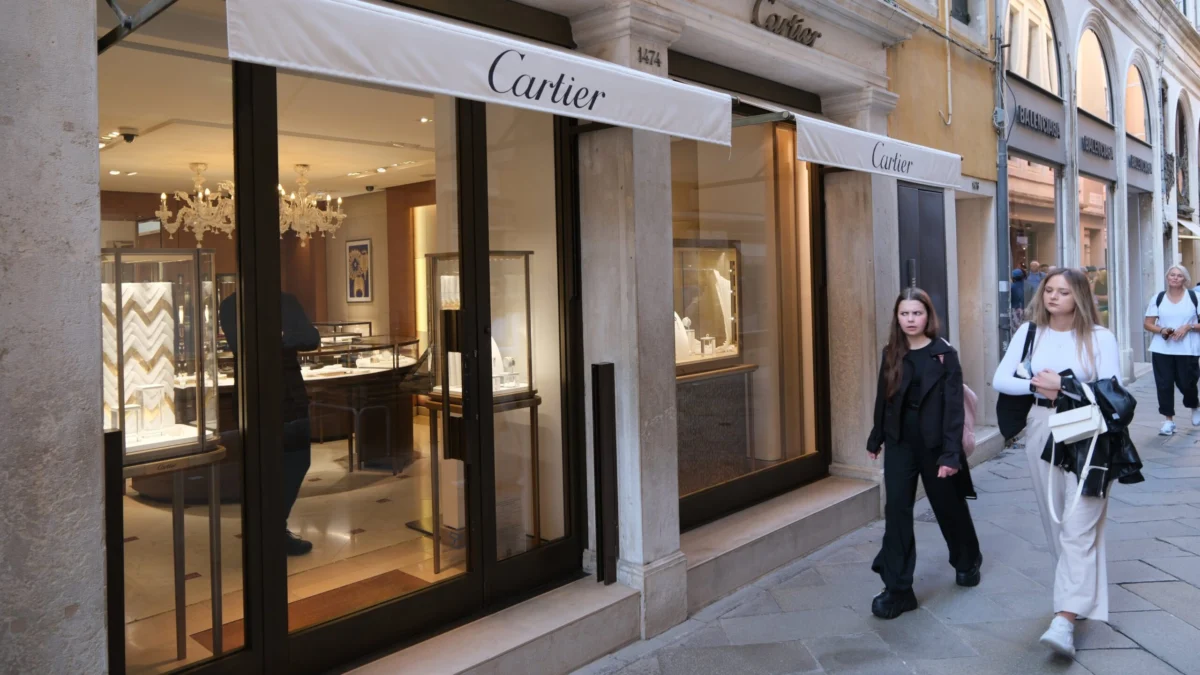
Prior to 2020, Shanghai was a undisputed titan of global luxury retail. Driven by a burgeoning middle and upper class with a strong appetite for Western brands, the city saw a relentless expansion of flagship stores and exclusive collections from established European and American fashion houses. The market was characterized by a desire for visible markers of success, with prominent logos and high-profile collaborations serving as powerful signals of affluence and aspirational status. Data from consulting firms at the time consistently highlighted China as the primary growth engine for the luxury sector, with Shanghai often leading the charge in terms of sales volume and consumer spending per capita on fashion. For instance, a 2019 report by Bain & Company projected that Chinese consumers would account for nearly 40% of the global luxury market by 2025, a significant portion of which was attributed to domestic consumption.
The retail landscape was dominated by the iconic luxury streets and sprawling department stores, where brands like Louis Vuitton, Chanel, Gucci, and Dior commanded prime real estate and significant consumer attention. The narrative was one of aspirational acquisition, where owning a piece from a renowned Western designer was a significant personal and social achievement. This era saw a relatively uniform consumer preference, with global trends often dictating local demand.
The Pandemic’s Catalyst for Change: A New Consumer Mentality
The COVID-19 pandemic, while disruptive globally, acted as a powerful accelerant for pre-existing shifts within the Chinese market. Extended travel restrictions significantly curtailed outbound tourism, forcing a substantial portion of luxury spending to remain within China’s borders. This, in turn, fostered a greater appreciation and deeper exploration of domestic brands and offerings. Furthermore, prolonged periods of introspection and a heightened awareness of personal values led to a re-evaluation of consumption habits.
The concept of "status spending" began to wane, replaced by a more discerning and individualistic approach to purchasing. Consumers, exposed to a wider array of choices and influenced by evolving social media narratives, started prioritizing quality, craftsmanship, and personal expression over overt branding. This gave rise to the phenomenon of "stealth wealth," where discerning consumers sought out high-quality, understated pieces that conveyed sophistication without shouting their origins.
The Rise of Homegrown Talent and Lifestyle Integration
Imran Amed’s observations in Shanghai underscore a critical development: the ascendance of Chinese designers and homegrown labels. Brands like Uma Wang, whose multi-brand space was highlighted, are no longer niche players but are carving out significant market share by offering unique aesthetics and resonating with a modern Chinese identity. These local designers often possess an intrinsic understanding of the cultural nuances and evolving tastes of their domestic clientele, allowing them to create collections that feel both relevant and aspirational.
The data supporting this trend is increasingly evident. Reports from Chinese e-commerce platforms and market research firms indicate a significant uptick in sales and brand loyalty for domestic fashion labels, particularly within the premium and luxury segments. This growth is not solely confined to apparel; there’s a broader trend of integrating fashion into a holistic lifestyle. Consumers are looking for brands that offer an experience, a community, and a reflection of their broader interests, which extend beyond clothing to include art, culture, wellness, and travel.
This shift towards lifestyle integration is also reflected in the retail environment. As seen with the Maison Uma Wang example, concept stores are evolving into curated spaces that house multiple brands, host cultural events, and foster a sense of community. This approach aims to create immersive brand experiences that go beyond transactional sales.
Implications for Western Brands: The Catch-Up Game
The fundamental changes observed in Shanghai present a formidable challenge for Western fashion brands. Their established strategies, built on global brand recognition and a consistent product offering, may no longer be sufficient. To succeed in this new landscape, international players must:
- Embrace Nuance and Localisation: A one-size-fits-all approach will no longer suffice. Brands need to invest in understanding the subtle shifts in consumer preferences, cultural sensitivities, and aesthetic values specific to the Chinese market. This might involve tailoring marketing campaigns, product assortments, and even store experiences to resonate with local tastes.
- Rethink Brand Messaging: The emphasis needs to move from overt logos and status symbols to highlighting craftsmanship, heritage, sustainability, and the unique story behind the brand. Communicating values that align with the evolving consumer consciousness will be crucial.
- Foster Authentic Connections: Building genuine relationships with Chinese consumers requires more than just selling products. Brands need to engage with local culture, support local talent, and participate in community initiatives. This could involve collaborations with Chinese artists, designers, or cultural institutions.
- Embrace Digital Innovation: While physical retail remains important, the digital landscape in China is incredibly advanced. Brands need to leverage social commerce, livestreaming, and other digital platforms to engage consumers, build communities, and drive sales in ways that are native to the Chinese digital ecosystem.
- Consider Partnerships and Collaborations: Strategic partnerships with local entities, whether established retailers, influencers, or other brands, can provide invaluable insights and market access. Collaborations can also help bridge the gap between Western aesthetics and local preferences.
The timeline of these changes has been accelerated by recent global events. While the seeds of these shifts were sown in the years leading up to 2020, the pandemic acted as a powerful catalyst, compressing years of potential evolution into a much shorter period. This rapid transformation means that brands that were slow to adapt may find themselves significantly behind.
The Data Paints a Picture: Shifting Market Shares
While precise, real-time data on every brand’s performance is proprietary, broader market trends provide compelling evidence. Reports from Euromonitor International and other market intelligence firms have indicated a slowing growth rate for some established Western luxury brands in China, juxtaposed with a significant surge in the market share of domestic premium brands. For instance, a 2023 report by the China National Commercial Information Center noted that the market share of domestic apparel brands in China’s online retail space had increased by over 15% in the preceding two years.
Furthermore, consumer surveys consistently reveal a growing preference for brands that demonstrate cultural relevance and ethical considerations. A 2022 survey by Kantar Worldpanel highlighted that Chinese consumers are increasingly valuing brands that support local designers and promote sustainable practices, often prioritizing these factors over purely brand recognition.
Official Responses and Future Outlook
The fashion industry, both globally and within China, is keenly observing these developments. While specific official statements from individual Western brands regarding their strategic adjustments in China are often kept private for competitive reasons, industry analysts and trade publications have reported on a general shift in their marketing and product development strategies. This includes increased investment in localized content, collaborations with Chinese influencers and celebrities, and a greater emphasis on digital channels.
The future outlook for Western brands in Shanghai and across China hinges on their ability to demonstrate agility and a genuine commitment to understanding and engaging with the evolving consumer. The market is no longer a passive recipient of global trends but an active participant in shaping them. Brands that can adapt to this dynamic landscape, embracing the nuances of local culture and the rise of homegrown talent, are the ones most likely to thrive. Those that remain tethered to pre-pandemic strategies risk being left behind in a market that is rapidly defining its own unique fashion destiny. The era of unquestioned Western dominance has given way to a more competitive and culturally nuanced fashion battlefield, and Shanghai is at its very heart.