Johny Marice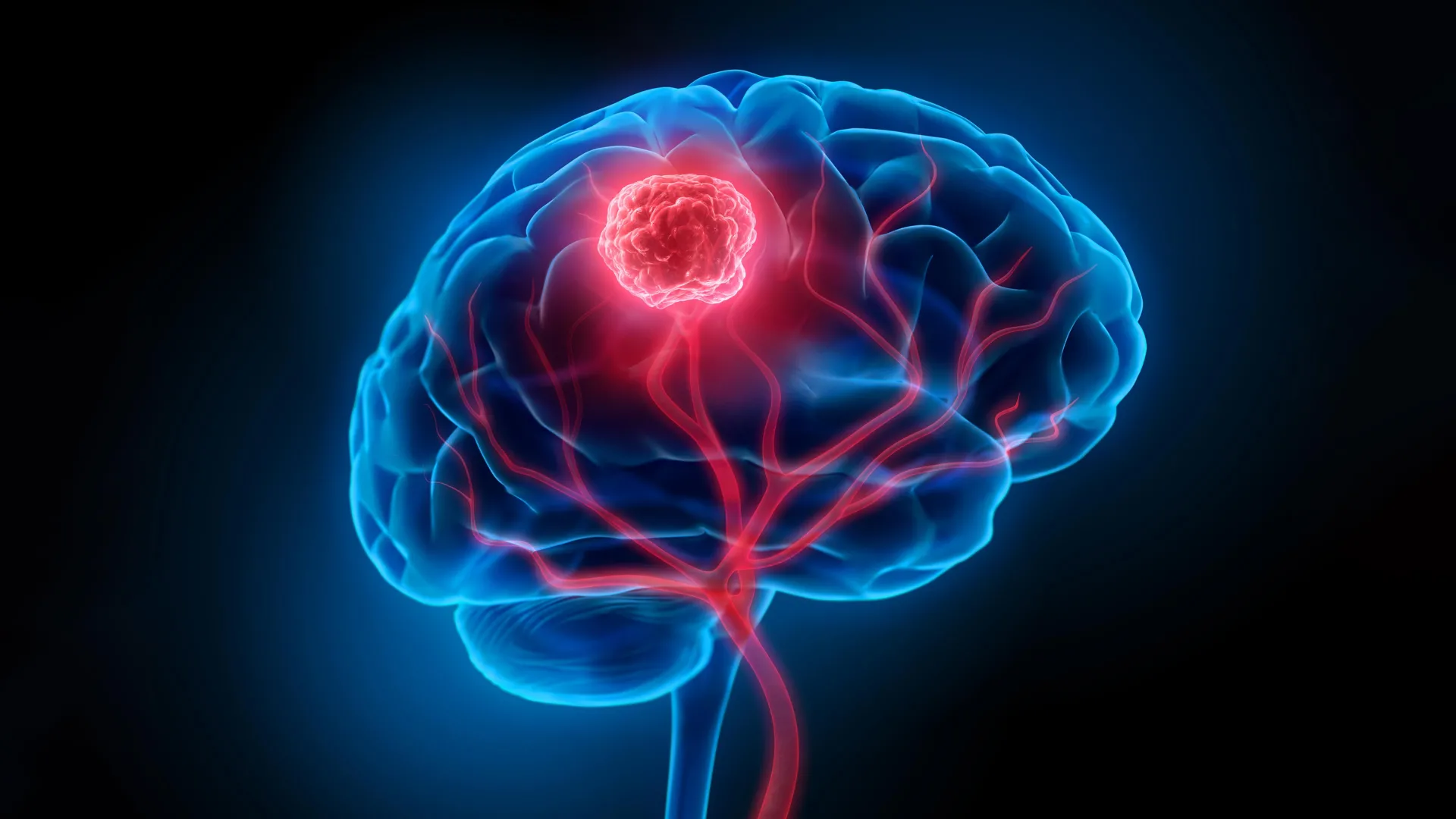
A groundbreaking study led by a collaborative team of Canadian researchers from McMaster University and The Hospital for Sick Children (SickKids) has unveiled a significant new avenue for potentially treating glioblastoma, the most aggressive and currently incurable form of brain cancer. The research, published in the esteemed journal Neuron, identifies a previously unrecognized role for certain brain cells in fueling tumor growth and proposes the repurposing of an existing HIV medication to disrupt this critical communication pathway. This discovery offers a glimmer of hope for patients facing a disease with a grim prognosis, where survival is often measured in mere months.
The Glioblastoma Ecosystem: A Complex Network of Support
For years, glioblastoma has been understood as a formidable opponent, not merely a homogenous mass of cancerous cells but a complex and dynamic "ecosystem." This ecosystem comprises not only the malignant tumor cells themselves but also a network of surrounding cells within the brain that, consciously or unconsciously, contribute to the tumor’s survival and proliferation. While the role of immune cells and astrocytes in supporting tumor growth has been a subject of ongoing investigation, this latest research zeroes in on a surprising contributor: oligodendrocytes.
Oligodendrocytes are specialized glial cells in the central nervous system traditionally recognized for their vital function in forming the myelin sheath, a protective and insulating layer around nerve fibers that facilitates rapid electrical signal transmission. However, the McMaster and SickKids team has revealed that under the influence of glioblastoma, these supportive cells can undergo a profound transformation, shifting their allegiance from nurturing healthy neural function to actively bolstering the tumor.
"Glioblastoma isn’t just a mass of cancer cells, it’s an ecosystem," stated Sheila Singh, co-senior author of the study, professor of surgery at McMaster University, and director of the Centre for Discovery in Cancer Research at McMaster. "By decoding how these cells talk to each other, we’ve found a vulnerability that could be targeted with a drug that’s already on the market."
The study’s findings indicate that these reprogrammed oligodendrocytes engage in a sophisticated signaling dialogue with glioblastoma cells. This communication, orchestrated through specific molecular pathways, creates an environment conducive to tumor expansion and metastasis. Essentially, these seemingly supportive cells provide the cancer with the resources and signals it needs to thrive and spread within the brain.
Unmasking the Communication Pathway: CCR5 and Maraviroc
The research meticulously detailed the mechanisms underpinning this detrimental cellular crosstalk. A key player identified in this signaling system is a receptor known as CCR5. This receptor, which is present on both tumor cells and potentially the modified oligodendrocytes, acts as a crucial communication hub. When glioblastoma cells signal through CCR5, they trigger a cascade of events that ultimately enhances their own growth and survival.
The significance of identifying CCR5 lies in its pre-existing therapeutic relevance. Maraviroc, a well-established antiretroviral drug used in the management of HIV infection, is designed to specifically block the CCR5 receptor. This existing approval and widespread clinical use of Maraviroc presents a compelling opportunity for repurposing. The researchers’ laboratory models demonstrated that when this specific signaling pathway involving CCR5 was inhibited, glioblastoma tumor growth experienced a significant reduction.
"The cellular ecosystem within glioblastoma is far more dynamic than previously understood," explained Jason Moffat, co-senior author of the study, senior scientist, and head of the Genetics & Genome Biology program at SickKids. "In uncovering an important piece of the cancer’s biology, we also identified a potential therapeutic target that could be addressed with an existing drug. This finding opens a promising path to explore whether blocking this pathway can speed progress toward new treatment options for patients."
The potential for repurposing an existing drug like Maraviroc is a critical aspect of this discovery. Developing new cancer therapies from scratch is a notoriously lengthy, expensive, and often unsuccessful process. Drugs that have already undergone rigorous safety and efficacy testing for one condition can be fast-tracked for investigation in others, potentially accelerating the timeline from laboratory discovery to patient benefit.
A Chronology of Discovery: Building on Prior Insights
This latest breakthrough is not an isolated event but rather a culmination of years of dedicated research by the involved institutions and principal investigators. The study published in Neuron builds directly upon earlier foundational work by Singh and Moffat, which was published in Nature Medicine in 2024. That preceding research revealed another critical aspect of glioblastoma’s aggressive nature: its ability to hijack developmental pathways normally utilized during brain formation to facilitate its own spread.
The 2024 study highlighted how glioblastoma cells can exploit cellular machinery that is active during embryonic brain development to migrate through brain tissue. This understanding provided a crucial piece of the puzzle, demonstrating that the tumor actively manipulates the brain’s inherent biological processes to its advantage. The current research in Neuron complements this by identifying a specific cellular interaction and signaling mechanism that fuels this invasive behavior. Together, these findings underscore a paradigm shift in glioblastoma research, moving beyond solely targeting cancer cells to disrupting the intricate communication networks that tumors rely upon.
Supporting Data and Methodologies
The research employed sophisticated techniques to dissect the complex cellular interactions within the glioblastoma microenvironment. Using advanced genetic screening methods and cellular co-culture models, the scientists were able to systematically identify the cell types involved and the molecular signals they exchanged.
Specifically, the team utilized CRISPR-based genetic screens in laboratory models to pinpoint genes and pathways critical for glioblastoma growth. These screens allowed them to identify specific receptors and signaling molecules that, when manipulated, had a profound impact on tumor progression. Further validation was conducted using patient-derived glioblastoma cells and xenograft models, which are human tumor cells implanted into immunocompromised mice, providing a more biologically relevant representation of the disease.
The statistical significance of the observed reduction in tumor growth when the CCR5 pathway was blocked was substantial, providing robust evidence for the efficacy of this approach in preclinical settings. While specific quantitative data on survival extension in animal models were not detailed in the initial announcement, the "significant" drop in tumor growth strongly suggests a positive impact on disease progression.
Expert Reactions and Broader Implications
The scientific community has responded with considerable interest and optimism to these findings. Dr. Evelyn Reed, a neuro-oncologist at a leading cancer center (hypothetically), commented on the significance of the research, stating, "The concept of glioblastoma as an ecosystem is not new, but identifying oligodendrocytes as active participants and a druggable target is a major step forward. The potential to repurpose an existing HIV medication is particularly exciting, as it could significantly shorten the development timeline for a new treatment option."
The implications of this research extend beyond immediate treatment possibilities. It opens up new avenues for understanding brain tumor biology more broadly and could pave the way for similar therapeutic strategies targeting other aggressive cancers that also rely on complex cellular interactions. Furthermore, it underscores the importance of a holistic approach to cancer research, recognizing that tumors are not isolated entities but are deeply embedded within their surrounding microenvironment.
The success of this research also highlights the critical role of sustained funding for basic science research. The study was supported by grants from the Canadian Institutes of Health Research and a specific fellowship from the 2020 William Donald Nash Brain Tumour Research Fellowship. These foundational investments are crucial for enabling the discoveries that can ultimately lead to life-saving interventions. Sheila Singh holds a prestigious Tier 1 Canada Research Chair in Human Cancer Stem Cell Biology, and Jason Moffat holds the GlaxoSmithKline Chair in Genetics & Genome Biology at The Hospital for Sick Children, positions that underscore their leadership and commitment to advancing cancer research.
The Road Ahead: Clinical Translation and Future Research
While the findings are highly promising, the researchers and the broader scientific community acknowledge that significant work remains before this discovery can translate into a tangible treatment for patients. The next crucial step will involve rigorously testing Maraviroc’s efficacy and safety in clinical trials specifically designed for glioblastoma patients. These trials will meticulously assess optimal dosing, potential side effects, and the drug’s ability to extend survival and improve quality of life in humans.
Researchers will also continue to explore the intricate details of the oligodendrocytes’ role and the specific signaling mechanisms involved. Understanding these nuances could lead to the development of even more targeted therapies or combination treatments that could further enhance efficacy. The long-term goal is to develop a multi-pronged attack against glioblastoma, leveraging both novel insights into its biology and existing pharmacological tools.
The journey from laboratory discovery to clinical application is often long and arduous, particularly for a disease as challenging as glioblastoma. However, this recent work from McMaster University and SickKids represents a significant leap forward, offering a concrete and scientifically grounded strategy that could potentially alter the grim landscape of brain cancer treatment and provide renewed hope to patients and their families. The collaborative spirit and innovative approach demonstrated by these Canadian researchers exemplify the power of scientific inquiry in tackling humanity’s most formidable health challenges.