Danny Garick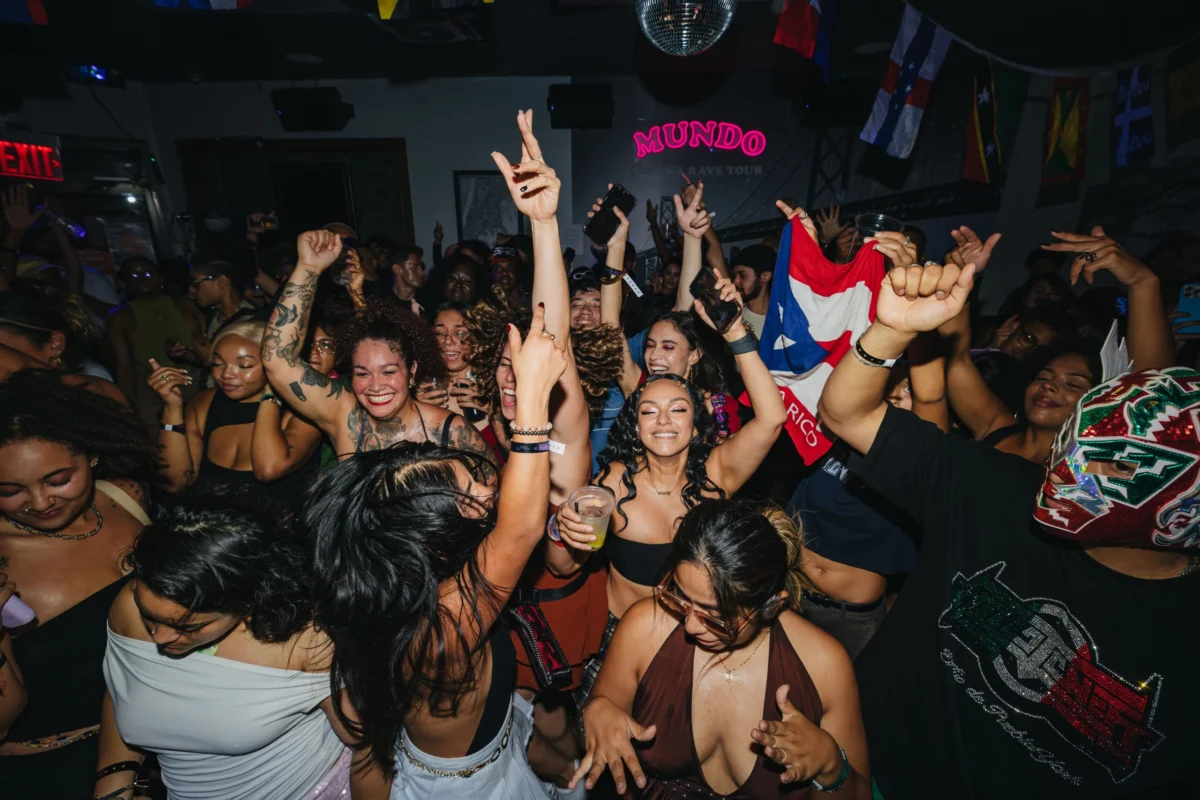
The traditional boundaries between retail commerce and nightlife are dissolving as a new wave of community-centric events transforms grocery stores, bodegas, and coffee shops into vibrant social hubs. In urban centers across North America, the mundane act of grocery shopping is being replaced by "micro-raves" and "late-night madness" events that prioritize cultural heritage, safety, and sober-friendly socializing. This shift represents a significant departure from the conventional nightclub model, moving toward inclusive spaces that leverage local identity to foster genuine human connection. From the Filipino aisles of Seafood City in Daly City to the cramped, neon-lit bodegas of the Bronx, the "third place"—the social surroundings separate from the two usual social environments of home and the workplace—is being radically reimagined.
The Evolution of the Grocery Disco: Seafood City’s Late Night Madness
For residents like Kaithleen Apostol, a 28-year-old from Berkeley, California, the journey to Seafood City in Daly City has evolved from a standard errand into a biweekly pilgrimage. What draws her is not merely the supply of Filipino staples but "Late Night Madness," an event series where the supermarket’s standard soundtrack is replaced by live DJ sets and the aisles become an impromptu dance floor. Seafood City, a dominant Filipino supermarket chain with over 30 locations in the United States and Canada, has successfully pivoted its brand to appeal to a younger, experience-inclined demographic without alienating its core customer base.
The Daly City location, situated in a region often referred to as the "Pinoy Capital" of the United States due to its high concentration of Filipino Americans, serves as the flagship for this movement. During these events, the store’s layout remains largely untouched, maintaining its identity as a functional market, yet the atmosphere is transformed. High-energy electronic dance music, specifically budots—a genre originating from Davao City in the Philippines characterized by its heavy bass and viral dance moves—fills the air. For many attendees, the experience evokes the feeling of a "big family party," bridging the gap between the traditional Filipino house party and a modern urban rave.
The success of Late Night Madness is rooted in its authenticity. Unlike corporate attempts to mimic "cool" environments, these events are often co-organized with local grassroots organizations such as the SF Kollective. The initiative was catalyzed by local talent like DJ JP Breganza, who recognized the potential for non-traditional venues after performing in unconventional spots like the Bay Area Cliffs. The collaboration between the supermarket’s marketing team and local artists has allowed the event to scale, spreading from California to Nevada, Texas, Illinois, and into Canada.
The Bronx Bodega: Reclaiming the Community Nucleus
While Seafood City operates on a "supergrocer" scale, a parallel movement is taking hold in the intimate confines of New York City’s bodegas. MUNDO Soundsystem, a trio comprising DJs Guari, Rich Pascasio, and Flako (Dos Flakos), has pioneered the "bodega rave" in the Bronx. These events utilize the bodega—long considered the "nucleus" of New York neighborhood life—to provide a nightlife alternative in areas often overlooked by major club promoters.
The logistical reality of a bodega rave is one of controlled chaos. In these spaces, the heat and proximity of the crowd are part of the appeal. As the DJs spin tracks that reflect the Afro-Latino and Caribbean heritage of the Bronx, deli workers continue to serve neighborhood staples like the "chopped cheese." According to the organizers, the goal was to eliminate the physical and social barriers of Manhattan and Brooklyn’s "gatekept" nightlife. By hosting events in the very stores where attendees buy their morning coffee or evening snacks, MUNDO Soundsystem reinforces a sense of belonging and cultural ownership.
The cultural impact of these bodega raves has not gone unnoticed by major industry players. In September 2025, Tequila Cazadores partnered with MUNDO Soundsystem to launch a "Bodega Rave Tour," bringing the Bronx-born concept to cities like San Francisco and Chicago. This sponsorship highlights a growing trend of brands seeking to align themselves with "hyper-local" and authentic community experiences rather than traditional large-scale festivals.
.jpg)
Supporting Data: The Drivers of the Shift
The rise of these non-traditional nightlife venues is supported by shifting demographic data and consumer behavior patterns. Several factors contribute to the decline of the traditional nightclub and the rise of the "micro-rave":
- The Sobriety Trend: According to data from Berenberg Research, Gen Z consumes 20% less alcohol per capita than Millennials did at the same age. This has led to an increased demand for social spaces where alcohol is not the primary focus. Grocery stores and coffee shops provide a "low-pressure" environment for socializing.
- Safety and Inclusivity: Traditional nightlife has frequently been criticized for "horror stories" involving unsafe environments, aggressive security, and discriminatory door policies. Community-centric events like those at Seafood City are perceived as safer, intergenerational spaces where "second cousins and high school teachers" are likely to be in attendance.
- Economic Pressures: The "cost of living crisis" has impacted both consumers and nightlife operators. Traditional clubs often carry high cover charges and expensive drink prices. In contrast, grocery store events often have no entry fee, and coffee shop "raves" offer a more affordable entry point into the social scene.
- Growth of Daytime Socializing: Eventbrite reported a 300% increase in interest for "coffee raves" and "daytime clubbing" in major hubs like Atlanta over the past year. This reflects a broader trend of consumers prioritizing wellness and sleep, opting for events that allow them to be home by 5:00 PM rather than 5:00 AM.
Chronology of the Micro-Rave Movement
The transition from retail to rave did not happen overnight. It is the result of a multi-year evolution in how urban spaces are utilized:
- Late 2021 – Early 2022: Post-pandemic, "guerrilla" parties began appearing in outdoor spaces and unconventional storefronts as people sought social interaction outside of restricted indoor venues.
- July 2023: Santo Cafe in Washington, D.C., located within Paraíso Taqueria & Mezcaleria, began hosting "coffee raves." These events focused on high-quality sound systems and a "recharge" atmosphere, appealing to all ages.
- Late 2023: MUNDO Soundsystem debuted its first bodega rave in the Bronx, quickly gaining viral traction on social media platforms like TikTok and Instagram.
- October 2024: Seafood City officially launched its "Late Night Madness" series in Daly City to coincide with Filipino American History Month, marking a formal corporate embrace of the micro-rave concept.
- September 2025: The "Bodega Rave Tour" was launched, signaling the commercial viability and national expansion of the movement.
Broader Implications: Redefining Urban Vitality
The emergence of these events has profound implications for urban planning and small business sustainability. By activating retail spaces during off-peak hours or integrating social events into regular operating hours, small business owners can generate additional revenue streams and build deeper brand loyalty. This "multi-hyphenate" use of space—where a store is simultaneously a market, a community center, and a concert venue—maximizes the utility of urban real estate.
Furthermore, these events act as a catalyst for cultural preservation. In the case of Seafood City, the music and food serve as a tether to the Philippines, allowing second and third-generation immigrants to engage with their heritage in a contemporary context. In the Bronx, the bodega rave protects the neighborhood’s cultural identity against the encroaching forces of gentrification by asserting that the local "corner store" remains a site of creative and social power.
The shift also challenges the "grimy bar" trope of nightlife. Creative directors like Tahmina Ghaffer of Santo Cafe emphasize that the goal is to create environments that people "recharge from, rather than recover from." This focus on mental well-being and accessibility ensures that the "party" is inclusive of parents with children, older adults, and those in the recovery community.
Conclusion: The Future of the Third Place
As the nightlife industry continues to grapple with oversaturation and changing consumer tastes, the success of Seafood City, MUNDO Soundsystem, and various "coffee clubbing" collectives suggests that the future of socializing is local, intimate, and culturally grounded. These events prove that "any gathering can turn into a party" when the community is given the space to express itself.
By moving out of the underground and into the light of the grocery aisle or the neighborhood cafe, the modern rave has become more than just a dance party; it is a vital form of community infrastructure. Whether it is through the shared experience of eating lechon while line-dancing or the simple joy of hearing home-grown music while buying groceries, these events are reclaiming the city’s social fabric, one aisle at a time. The best party in town may no longer be behind a velvet rope—it might just be in the produce section.