Danny Garick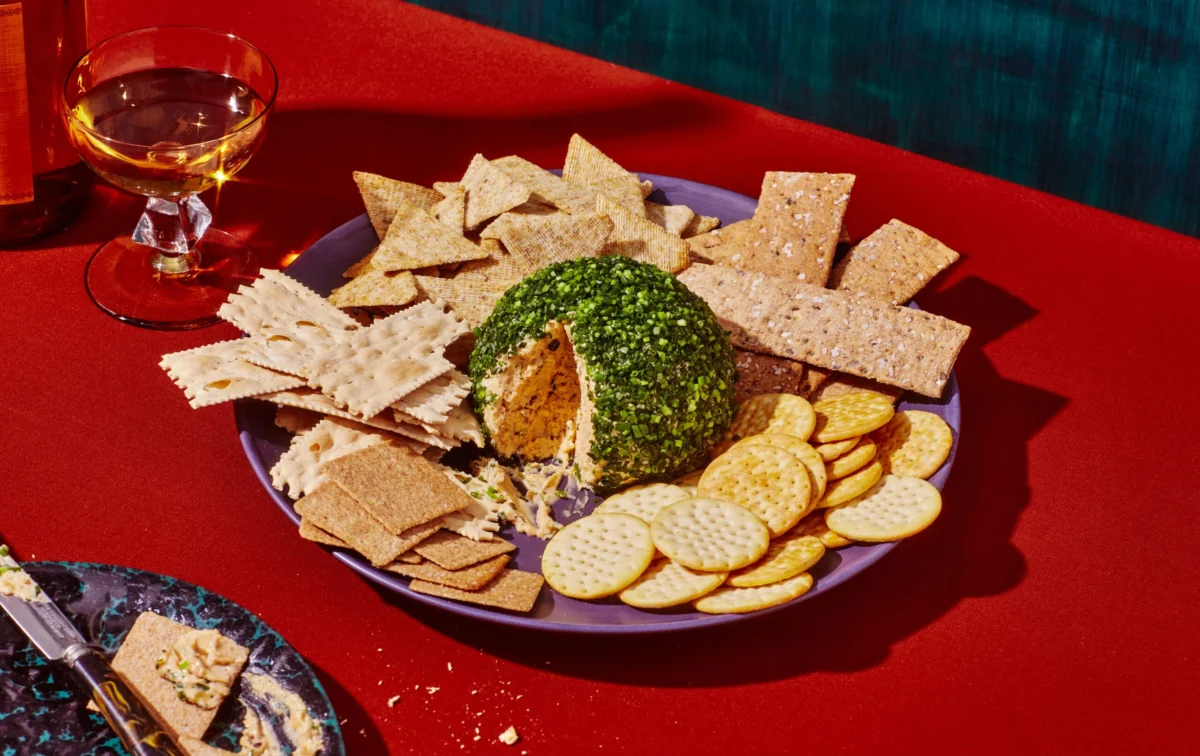
The Kentucky Derby, often referred to as "The Run for the Roses," stands as the longest-running continuous sporting event in the United States, representing a unique intersection of high-stakes athletics, Southern social ritual, and culinary excellence. Held annually on the first Saturday in May at Churchill Downs in Louisville, Kentucky, the event serves as the first leg of the American Triple Crown. Beyond the track, the Derby has fostered a global culture of hospitality, where the preparation of specific regional dishes and the adherence to traditional dress codes are considered as integral to the experience as the two-minute race itself. For millions of spectators both at the track and at home, the Derby is defined by a curated menu of Southern staples, including buttery roasted pecans, deviled eggs, and shrimp salad on toast, alongside the iconic Mint Julep.
Historical Chronology and the Growth of a National Institution
The Kentucky Derby was established in 1875 by Meriwether Lewis Clark Jr., the grandson of William Clark of the Lewis and Clark Expedition. After traveling to Europe and attending the Epsom Derby in England and the Grand Prix de Paris Longchamp in France, Clark was inspired to create a premier racing event in his home state. The inaugural race on May 17, 1875, drew a crowd of approximately 10,000 people, a significant figure for the era.
By the early 20th century, the Derby had transitioned from a local sporting event into a national cultural phenomenon. In 1925, the first live radio broadcast of the race reached listeners across the country, and by 1952, the event was televised nationally. This expansion in media coverage necessitated a formalized approach to Derby hospitality. As the race became a televised spectacle, the "Derby Party" emerged as a social staple. Hostesses across the United States began replicating the Churchill Downs experience by serving regional Kentucky dishes. In 1938, the Mint Julep was designated the official drink of the Kentucky Derby, further cementing the link between the event and specific culinary traditions.
The Culinary Foundations of Derby Hospitality
The menu for a Kentucky Derby gathering is rooted in the "Low Country" and Southern Appalachian foodways, emphasizing accessibility, communal sharing, and regional ingredients. Journalistic analysis of historical menus suggests that the preferred food items for race day are those that can be consumed easily while socializing—specifically finger foods and small bites.
The Role of Southern Staples
Pimento cheese and buttermilk biscuits are frequently cited as the cornerstones of the Derby table. Pimento cheese, often called "the caviar of the South," originated as a mass-produced product in the North during the late 19th century but was adopted and refined by Southern cooks into a homemade delicacy. In the context of the Derby, it is often served as a spread for crackers or as a filling for tea sandwiches.
Similarly, the buttermilk biscuit serves as a versatile vehicle for country ham or shrimp salad. The inclusion of shrimp salad on toast reflects the influence of Gulf Coast flavors on Kentucky’s inland culinary scene, a result of historic trade routes along the Mississippi and Ohio Rivers. Roasted pecans, another staple, highlight Kentucky’s agricultural output; the state is a significant producer of North American nuts, which are often seasoned with cayenne and sugar to provide a balance of heat and sweetness.
The Bourbon Influence and the Mint Julep
No analysis of the Kentucky Derby is complete without an examination of the bourbon industry’s role. Kentucky produces approximately 95% of the world’s bourbon supply, and the Derby serves as the industry’s largest annual marketing platform. The Mint Julep—a concoction of bourbon, simple syrup, fresh mint, and crushed ice—is the primary beverage associated with the event. According to data provided by Churchill Downs, approximately 120,000 Mint Juleps are served over the two-day period of the Kentucky Oaks and the Kentucky Derby. This requires more than 10,000 pounds of locally sourced mint and 60,000 pounds of ice.
Supporting Data: Economic and Social Impact
The Kentucky Derby is a significant economic engine for the city of Louisville and the broader Commonwealth of Kentucky. A 2021 economic impact study estimated that the event generates over $400 million in local spending annually. This includes revenue from tourism, hospitality, and the burgeoning "Derby fashion" industry.
Attendance and Betting Statistics
While the race lasts only approximately two minutes, the betting activity surrounding it is immense. In 2023, Churchill Downs reported a record-breaking wagering handle, with $288.7 million bet on the Kentucky Derby Day program from all sources. The attendance at the track typically exceeds 150,000 people, making it one of the most-attended sporting events in the world. This high density of spectators drives a massive demand for catered food and beverage services, which in turn influences the "at-home" party trends observed by lifestyle publications and culinary experts.
The Fashion Economy
The Derby is equally famous for its sartorial requirements. The tradition of wearing ornate headwear—including fascinators and wide-brimmed hats—dates back to the event’s inception, when Meriwether Lewis Clark Jr. sought to attract a high-society clientele by enforcing a strict dress code. Today, the "Derby hat" is a multimillion-dollar industry. Milliners across the country report that Derby season accounts for a significant portion of their annual revenue. For men, the adoption of seersucker suits and pastel colors has become a standardized aesthetic, symbolizing the arrival of spring and the formalization of Southern leisure.
Official Responses and Industry Perspectives
Representatives from the horse racing and hospitality industries emphasize the Derby’s role in maintaining cultural continuity. In various press releases, Churchill Downs officials have noted that the "spirit of the Derby" is maintained through the consistency of its traditions. "The Kentucky Derby is more than a race; it is a celebration of Southern lifestyle and hospitality," a Churchill Downs spokesperson stated during a recent media briefing. "The food, the fashion, and the bourbon are what allow people to connect with the event, whether they are in the grandstand or their own backyard."
Catering professionals in Louisville also highlight the logistical complexity of the event. To feed the massive crowds, kitchens must begin preparations months in advance, sourcing thousands of pounds of regional produce. The emphasis on finger foods, as noted in the original content, is a practical response to the environment of a race track, where guests are often standing and moving between betting windows and viewing areas.
Analysis of Broader Implications
The enduring popularity of Kentucky Derby party recipes and traditions suggests a broader societal desire for ritual and regional identity. In an increasingly digital and globalized world, the Derby provides a tangible connection to a specific place and time. The "spirit of Churchill Downs" is not merely about the horses; it is about the preservation of a specific style of American hospitality.
Furthermore, the Derby acts as a bellwether for the health of the Thoroughbred racing industry. Despite various challenges facing the sport, including safety concerns and shifting gambling regulations, the Derby continues to see growth in both viewership and wagering. This resilience is attributed in part to the event’s "lifestyle brand" status. By marketing the Derby as a culinary and fashion event as much as a sporting one, organizers have successfully insulated it from some of the volatility affecting other areas of professional sports.
Conclusion: The Modern Derby Legacy
As the Kentucky Derby moves toward its 150th anniversary, the traditions surrounding it remain remarkably stable. While modern technology has changed how fans wager and watch the race, the contents of the Derby table—the deviled eggs, the pimento cheese, and the bourbon cocktails—remain unchanged. This culinary consistency provides a sense of historical continuity for participants.
The event serves as a reminder of the power of regional tradition to capture the national imagination. Whether through the careful selection of a fascinator or the meticulous preparation of a batch of buttermilk biscuits, those who celebrate the Derby participate in a century-old dialogue about Southern culture, excellence, and the enduring appeal of the "most exciting two minutes in sports." The spirit of Churchill Downs is, ultimately, a portable one, defined by the flavors and fashions that have come to represent the pinnacle of Kentucky hospitality.