Nila Kartika Wati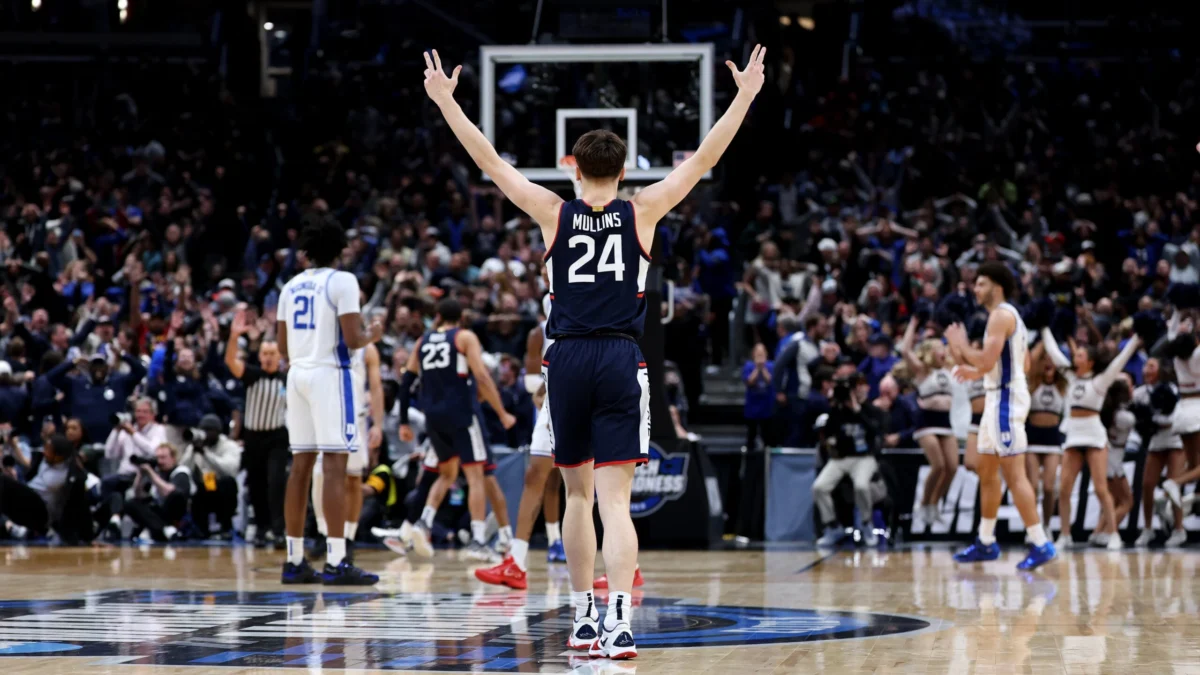
The NCAA Men’s and Women’s Final Four tournaments have become a pervasive stage for Nike, with the athletic apparel giant strategically sponsoring nearly every participating team. This widespread presence underscores Nike’s deep-rooted commitment to college athletics, a sector that continues to offer significant brand visibility and athlete development opportunities. Ann Miller, Nike’s Executive Vice President of Global Sports Marketing, recently discussed the brand’s extensive engagement with the Final Four and its broader strategy within the college sports landscape. The only notable exception to Nike’s near-monopoly this year was the University of South Carolina, which is slated to transition to a different brand partnership in July.
A Calculated Footprint in College Athletics
Nike’s dominance at the Final Four is not accidental but a meticulously planned extension of its long-standing investment in collegiate sports. For decades, the brand has cultivated relationships with top university athletic programs, securing lucrative endorsement deals that extend beyond apparel and footwear to encompass coaching staff and institutional branding. This approach allows Nike to embed itself within the fabric of college sports, influencing young athletes from their formative years and building brand loyalty that can translate into lifelong consumers.
The Final Four, representing the pinnacle of collegiate basketball, offers an unparalleled platform. With millions of viewers tuning in to watch the culmination of the NCAA basketball season, the visibility for sponsored teams and, by extension, Nike, is immense. Each sponsored team proudly displays Nike’s iconic swoosh on their uniforms, during press conferences, and on their social media channels, creating a continuous stream of brand exposure throughout the tournament.
Ann Miller, a key figure in shaping Nike’s sports marketing endeavors, highlighted the strategic importance of this widespread sponsorship. "Our presence at the Final Four is a testament to our unwavering commitment to college sports and the athletes who compete at this elite level," Miller stated in a recent interview. "We believe in supporting these programs and providing them with the best possible resources, and in turn, they become powerful ambassadors for our brand. It’s a symbiotic relationship that benefits everyone involved."
The NCAA Tournament: A Timeline of Engagement
The NCAA Men’s and Women’s Basketball Tournaments, commonly known as March Madness, have evolved significantly since their inception. The men’s tournament began in 1939, with eight teams participating. Over the decades, it expanded, culminating in the current 68-team format. The women’s tournament, established in 1982, has also grown substantially in popularity and reach.
Nike’s involvement in college sports sponsorship has mirrored this growth. While specific early sponsorship dates are often proprietary, the brand’s significant investment in university athletics became increasingly apparent in the late 20th and early 21st centuries. By the time the Final Four became a national spectacle, Nike was already a formidable presence, forging partnerships with powerhouse programs across the country.
The Final Four itself, representing the semifinal and championship games, is the culmination of weeks of intense competition. Teams battle through the regular season, conference tournaments, and the initial rounds of the NCAA tournament to reach this prestigious stage. For Nike, the visibility during this period is amplified as media coverage intensifies, focusing not only on the games but also on the athletes, coaches, and the equipment they use.
Data Points Illustrating Nike’s Market Penetration
While precise figures for Nike’s total investment in college sports sponsorships are not publicly disclosed, industry estimates and available data provide a clear picture of its market penetration.
- Team Sponsorship: In recent years, Nike, through its Jordan Brand and Converse subsidiaries, has sponsored a significant majority of teams that reach the NCAA Tournament. For the 2023 tournament, it was reported that over 70% of participating teams were Nike-sponsored. This trend has largely continued into the 2024 and 2025 tournaments, with the Final Four teams representing the apex of this sponsorship strategy.
- Revenue Generation: College athletics is a multi-billion dollar industry. Athletic apparel and footwear brands are significant players in this ecosystem, with deals often worth millions of dollars annually for top-tier programs. Nike’s extensive network of sponsorships directly contributes to its revenue streams through product sales to athletes, athletic departments, and fans.
- Athlete Pipeline: A substantial number of professional basketball players, including many in the NBA and WNBA, come from NCAA Division I programs. Nike’s early engagement with these athletes through college sponsorships helps to secure their allegiance and potential future endorsement deals, creating a pipeline of talent that aligns with the brand.
- Brand Loyalty: Research consistently shows that brand loyalty is often established at a young age. By associating its brand with the aspirations and achievements of college athletes, Nike cultivates a sense of familiarity and emotional connection that can endure long after these athletes graduate.
Strategic Partnerships Beyond the Court
Nike’s strategy extends beyond just sponsoring the basketball teams themselves. The brand often partners with universities on broader initiatives, including facility upgrades, academic support programs for athletes, and community outreach projects. This holistic approach solidifies Nike’s role as a partner in the overall development and success of collegiate athletic departments.
The partnership with the University of South Carolina, though ending in July, highlights the dynamic nature of these agreements. Such transitions are not uncommon in the world of sports marketing, as universities reassess their needs and explore new opportunities. However, Nike’s long-standing relationship with the Gamecocks, like its partnerships with many other prominent programs, demonstrates a history of deep engagement.
Official Statements and Brand Messaging
While specific internal communications regarding Final Four strategy are confidential, Ann Miller’s public statements offer insight into Nike’s philosophy. "We aim to be more than just a supplier of apparel and footwear," Miller has previously emphasized. "We want to be a true partner, supporting the entire athletic journey from high school through college and into the professional ranks. The Final Four is a moment where we celebrate that journey and the incredible talent that emerges from these collegiate programs."
The visual presence of Nike at the Final Four is undeniable. From the logos on the jerseys of the competing teams to the footwear worn by the players, the brand is a constant visual cue. This saturation is a deliberate strategy to reinforce Nike’s association with excellence, athleticism, and success in the sport.
Broader Impact and Future Implications
Nike’s pervasive presence at the Final Four has several key implications for the brand, the collegiate athletic landscape, and the broader sports apparel industry:
- Market Leadership Reinforcement: By dominating the sponsorship of the most visible college basketball event, Nike solidifies its position as the undisputed leader in athletic footwear and apparel. This visibility during a peak sporting event directly influences consumer purchasing decisions and reinforces brand perception.
- Talent Identification and Development: The NCAA tournament serves as a crucial scouting ground for professional leagues. Nike’s close ties with these programs provide invaluable insights into emerging talent, allowing the brand to identify and cultivate future brand ambassadors.
- Competitive Landscape: Nike’s extensive sponsorship network puts pressure on competitors to find alternative strategies to gain market share. While other brands like Adidas and Under Armour also have significant college sports investments, Nike’s breadth and depth of partnerships, particularly at marquee events like the Final Four, create a formidable competitive advantage.
- Brand Equity and Fan Engagement: The emotional connection fans have with their college teams often extends to the brands associated with those teams. Nike leverages this by becoming an integral part of the college sports fan experience, fostering brand loyalty that can span generations.
- The Evolving NIL Era: The advent of Name, Image, and Likeness (NIL) rules in college sports has further complicated and potentially enhanced brand partnerships. While Nike’s current strategy focuses on institutional sponsorships, the NIL landscape presents new avenues for direct athlete endorsements, which Nike is also actively pursuing. The brand’s deep roots in college athletics position it well to navigate and capitalize on these evolving opportunities.
A Long-Term Vision for Collegiate Dominance
Nike’s strategy at the Final Four is a microcosm of its broader approach to sports marketing: a long-term commitment to building relationships, fostering talent, and embedding its brand within the cultural fabric of sports. The consistent presence and widespread sponsorship of teams at this elite collegiate event are not merely marketing tactics but strategic investments that yield significant returns in brand visibility, market share, and enduring consumer loyalty. As college sports continue to evolve, Nike’s established infrastructure and deep-seated connections are poised to maintain its dominant position, ensuring the swoosh remains synonymous with athletic excellence from the collegiate court to the global stage. The narrative of Nike at the Final Four is one of calculated strategy, consistent investment, and an undeniable impact on the world of sports and commerce.