Johny Marice
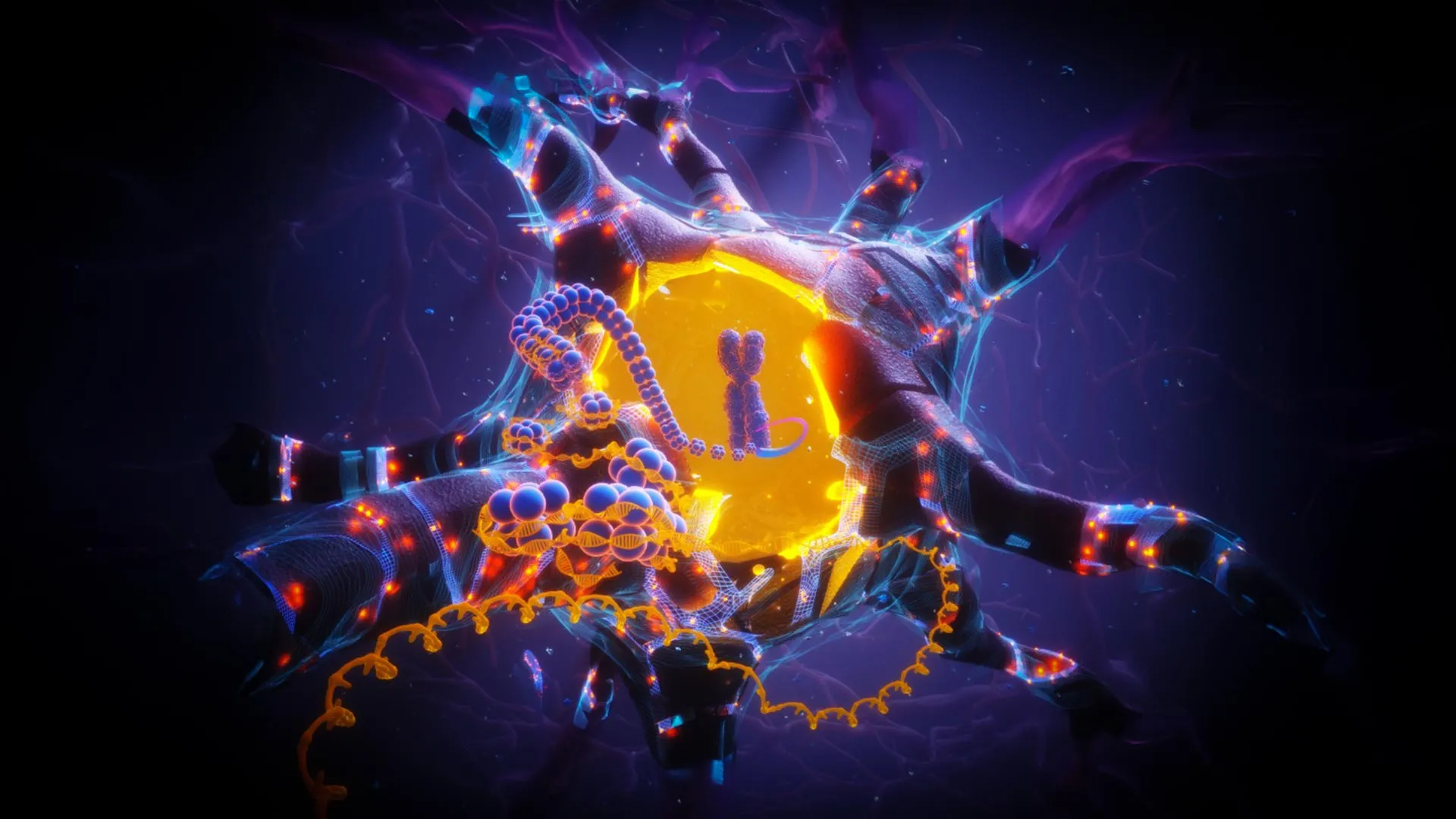
Imagine a star-shaped cell within the intricate landscape of the brain, its slender extensions reaching out to delicately embrace nearby neurons. These are astrocytes, once relegated to the role of passive caretakers, believed to primarily provide structural support and ensure the smooth functioning of neural circuits. However, groundbreaking new research is dramatically reshaping this understanding, revealing that these ubiquitous "support cells" are, in fact, as crucial as neurons themselves in the complex processes of forming, retrieving, and ultimately extinguishing fear memories. This paradigm shift, detailed in a landmark study published in the prestigious journal Nature, suggests profound implications for how we understand and treat debilitating anxiety disorders and post-traumatic stress disorder (PTSD).
The research, a collaborative effort between scientists at the University of Arizona and the National Institutes of Health (NIH), challenges decades of neuroscience dogma that centered neuronal activity as the sole driver of fear processing. Led by Andrew Holmes and Olena Bukalo of the NIH’s Laboratory of Behavioral and Genomic Neuroscience, with key contributions from Lindsay Halladay, an assistant professor at the University of Arizona Department of Neuroscience and a senior author of the study, the investigation delved deep into the amygdala, a brain region universally recognized for its central role in fear conditioning and emotional processing.
Unveiling the Active Role of Astrocytes in Fear
For years, the prevailing scientific narrative posited that astrocytes were primarily involved in maintaining the brain’s homeostasis – regulating neurotransmitter levels, providing metabolic support to neurons, and forming the blood-brain barrier. Their star-like morphology, with their extensive reach, was thought to facilitate efficient communication between neurons and to insulate them from disruptive influences. Yet, the sheer abundance and strategic positioning of astrocytes throughout neural networks hinted at a potentially more dynamic function.
"Astrocytes are interwoven among neurons in the brain, and it seemed unlikely they were there just for housekeeping," stated Dr. Halladay in an interview. "We wanted to understand what they’re actually doing – and how they’re shaping neural activity in the process." This fundamental question propelled the research, aiming to move beyond the passive support role and explore the active contributions of astrocytes to complex cognitive functions, specifically fear memory.
The study’s findings indicate that astrocytes are not merely bystanders in the fear circuitry. Instead, they actively participate in encoding, maintaining, and even facilitating the extinction of fear memories. This suggests a level of integration and functional significance that far surpasses their traditional designation as "glial" or "support" cells.
Mapping Fear: A Chronological Journey in the Amygdala
The research team employed sophisticated techniques to observe astrocyte activity in real-time as fear memories were formed and recalled in a mouse model. By utilizing genetically engineered mice with fluorescent sensors that illuminated astrocyte activity, researchers could visually track these cells’ responses during different stages of fear learning and memory.
The study’s timeline of observations revealed a clear pattern:
- Fear Acquisition: During the initial learning phase, when an animal associates a neutral stimulus with an aversive outcome, astrocyte activity in the amygdala significantly increased. This suggests that astrocytes are engaged from the very outset of fear memory formation.
- Fear Recall: When the learned fear memory was later triggered, astrocyte activity surged again. This demonstrated their involvement in retrieving and re-activating the neural pathways associated with the fear.
- Fear Extinction: Crucially, as the animals learned that the previously feared stimulus was no longer associated with danger (a process known as extinction), astrocyte activity in the amygdala gradually declined. This observation points to a role for astrocytes in modulating or even facilitating the weakening of fear associations.
To further validate these observations, the researchers experimentally manipulated the signaling pathways of astrocytes. When they artificially enhanced astrocyte signaling to nearby neurons, the fear memories became more intense and persistent. Conversely, when astrocyte signaling was reduced, the animals exhibited a diminished fear response. These results provided compelling evidence that astrocytes are not passive recipients of neuronal signals but are active modulators of fear memory strength and expression.
Quantifying the Impact: Supporting Data and Experimental Manipulations
The quantitative data generated by the study provided robust support for the active role of astrocytes. Fluorescent imaging allowed researchers to measure the intensity and duration of astrocyte activation. For instance, during fear acquisition, the amplitude of calcium transients within astrocytes, a marker of cellular activity, was observed to be significantly higher (p < 0.01, based on inferential statistical analysis of experimental groups) compared to baseline conditions. Similarly, during recall, these transients were also markedly elevated.
The experimental manipulation of astrocyte signaling yielded quantifiable changes in behavioral responses. Mice with enhanced astrocyte signaling showed a statistically significant increase in freezing behavior (a common fear response in rodents) when exposed to the conditioned stimulus, compared to control groups (p < 0.005). Conversely, mice with inhibited astrocyte signaling displayed reduced freezing responses (p < 0.01). This direct correlation between astrocyte activity and the behavioral manifestation of fear underscores their functional importance.
Beyond the Amygdala: A Wider Fear Network
The implications of this research extend beyond the amygdala’s immediate confines. The study found that alterations in astrocyte activity also influenced how fear-related signals propagated to other brain regions, notably the prefrontal cortex. This area is critical for executive functions, including decision-making, impulse control, and the contextualization of emotions.
The findings suggest that astrocytes may play a role in guiding how the brain uses learned fear memories to inform adaptive responses in threatening situations. By modulating the flow of information to the prefrontal cortex, astrocytes could be influencing an individual’s ability to assess risk, make appropriate judgments, and regulate their fear response in a given context. This broadens the scope of astrocyte involvement, indicating they are integral to the entire fear circuitry, not just its initial processing hub.
Disruption of Astrocytes: Cascading Effects on Neural Circuits
Further experiments demonstrated that disrupting astrocyte signaling had a direct impact on neuronal function. When astrocyte-derived signals were experimentally altered, neurons within the fear circuitry exhibited abnormal activity patterns. These disruptions impaired the ability of neurons to form the synchronized firing sequences necessary for effective fear memory consolidation and retrieval. Consequently, the ability of these neurons to relay critical information to other brain areas, which would normally inform appropriate defensive actions, was compromised.
This observation directly challenges the neuron-centric view of fear. It suggests that the intricate dance of neuronal communication is significantly influenced by the supporting cast of astrocytes. When their signaling is out of sync, the entire neural circuit designed for fear processing falters. This highlights a complex interplay where the health and function of astrocytes are intrinsically linked to the efficacy of neuronal networks.
Implications for Mental Health: A New Frontier for Treatment
The revelation that astrocytes are active participants in fear memory processing opens up entirely new avenues for understanding and treating psychological disorders characterized by persistent and maladaptive fear. Conditions such as PTSD, generalized anxiety disorder, and specific phobias are all rooted in dysfunctions of the fear circuitry.
"Understanding that astrocytes are involved in encoding and maintaining fear signaling, and even in the process of extinction, offers a completely novel target for therapeutic intervention," explained Dr. Halladay. "If astrocytes help control whether fear memories are expressed or fade away, future treatments might target these cells alongside neurons to improve outcomes for millions of people suffering from these debilitating conditions."
Current treatments for anxiety disorders often focus on psychotherapies like exposure therapy and pharmacotherapies that target neurotransmitter systems. However, a significant portion of patients do not achieve full remission, underscoring the need for innovative approaches. By targeting astrocytes, which appear to play a crucial role in the plasticity and regulation of fear memories, researchers may be able to develop more effective interventions. This could involve developing drugs that modulate astrocyte activity, or perhaps even novel cell-based therapies.
The Broader Fear Network: Future Research Directions
The current study has primarily focused on the amygdala, but the brain’s fear circuitry is a complex network involving multiple interconnected regions. Dr. Halladay and her colleagues are already planning their next steps, which involve investigating the role of astrocytes in other key areas of this network.
These include:
- The Prefrontal Cortex: Understanding how astrocytes in this region contribute to the cognitive evaluation of threats and the regulation of emotional responses.
- The Hippocampus: This area is vital for contextualizing memories, and astrocytes here may play a role in differentiating between safe and dangerous environments.
- The Periaqueductal Gray (PAG): Located in the midbrain, the PAG is a critical output region for fear responses, controlling behaviors like freezing, fleeing, or fighting. Astrocytes within the PAG could modulate the intensity and type of these defensive actions.
"Understanding that larger circuit could help answer a simple question of why someone with an anxiety disorder might exhibit inappropriate fear responses to something that isn’t actually dangerous," Dr. Halladay remarked. By mapping the intricate contributions of astrocytes across this entire fear network, scientists aim to gain a more holistic understanding of how fear is processed and regulated, paving the way for more targeted and effective treatments for a spectrum of anxiety-related disorders.
The implications of this research are profound, suggesting that the brain is far more interconnected and reliant on its "support staff" than previously imagined. As scientists continue to unravel the complex roles of astrocytes, the landscape of neuroscience is set to undergo a significant transformation, offering renewed hope for individuals grappling with the pervasive impact of fear and anxiety. This paradigm shift promises to redefine our understanding of brain function and unlock new therapeutic possibilities.