Layla Zulfa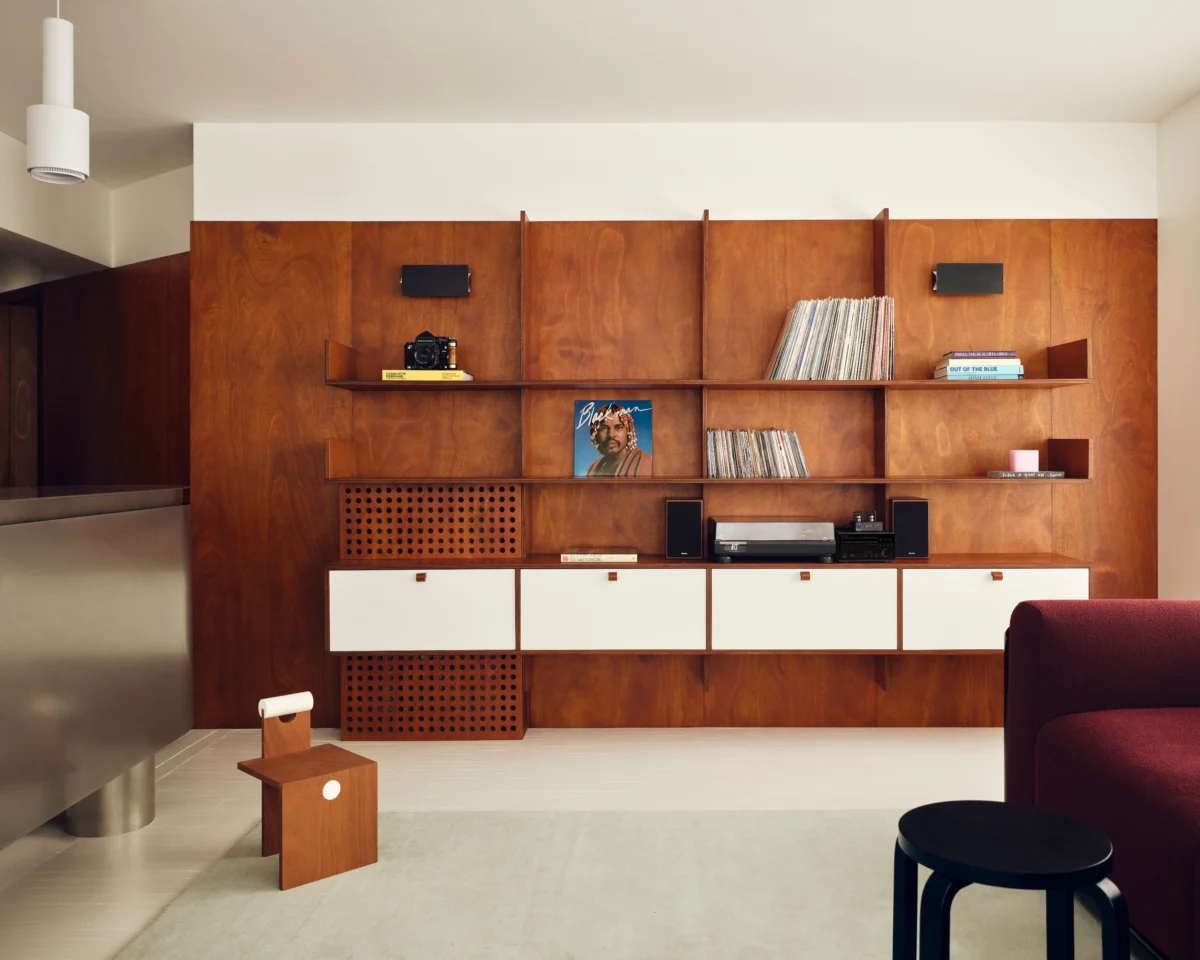
The bustling metropolitan existence of Louise Chen, a prominent disc jockey and self-described "party instigator" who navigates a high-octane professional life between Paris and London, recently necessitated a significant shift in her domestic environment. For several years, Chen has held the deed to a 753-square-foot apartment situated in the heart of Paris’s 9th arrondissement. However, the transition into motherhood prompted a reevaluation of the space, shifting the priority from a creative pied-à-terre to a functional, family-oriented sanctuary. To execute this vision, Chen commissioned the Paris-based architect Cyrus Ardalan, whose subsequent intervention turned an idiosyncratic layout into a cohesive architectural statement inspired by maritime engineering.

Upon his initial assessment of the property, Ardalan noted that the apartment’s unconventional footprint—characterized by narrow transitions and varied light exposure—bore a striking resemblance to the interior of a seafaring vessel. This observation became the catalyst for a comprehensive renovation themed around the mechanics of ship design, incorporating elements such as dark plywood hulls, porthole apertures, and sliding mechanics. The resulting residence serves as a case study in how restrictive urban footprints can be optimized through thematic consistency and bespoke millwork.
The Architectural Concept: Navigating the Gallic Hull
The 9th arrondissement, historically known for its theaters, covered passages, and the bustling Grands Boulevards, features a high density of 19th-century Haussmann-style architecture. Within this context, Chen’s 70-square-meter (approximately 753 square feet) apartment presented a common Parisian challenge: a surplus of natural light in the primary living areas contrasted by "dead zones" and shadowed corridors in the private quarters.

Ardalan’s strategy did not involve stripping the apartment of its character but rather leaning into its constraints. "The living room was already bathed in light," Ardalan observed, noting the large windows that offer views of the iconic zinc-grey Parisian rooftops. To bridge the aesthetic gap between the bright salon and the darker, "galley-like" hallway, the architect introduced extensive dark plywood paneling. While dark wood can often make small spaces feel subterranean, Ardalan employed a specific technical height for the panels. By stopping the millwork short of the ceiling and maintaining a white border at the top, the design allows the rooms to "breathe," preventing a sense of claustrophobia while providing the visual weight associated with luxury yacht interiors.
Materiality and Technical Innovation
The renovation’s success relies heavily on a restrained but impactful material palette. The integration of "ship doors" and porthole cutouts serves a dual purpose: they act as thematic anchors while functioning as passive light conduits. These portholes are equipped with sliding shutter systems, a mechanical nod to nautical utility that allows for adjustable privacy and light filtration between the hallway and the bedrooms.

In a move that challenged traditional Parisian interior norms, Ardalan elected to paint the original parquet flooring white. In the context of French real estate, where original oak floors are often considered sacrosanct, this was both an aesthetic and a pragmatic decision. The white finish reflects light upward, counteracting the heaviness of the dark wood walls, and effectively minimized the labor required to restore aged floorboards that had seen years of wear.
The bathroom and kitchen areas introduce a shift in texture while maintaining color continuity. The bathroom features "sultry maroon" tiles that mimic the deep tones of the stained plywood, creating a seamless visual transition. In the kitchen, the introduction of stainless steel provides a "cool" counterpoint to the warmth of the wood and ceramic. A notable structural feature in the kitchen is an arch clad in cream-colored mosaic tiles. This arch was not merely decorative; it was engineered to conceal load-bearing elements and antiquated plumbing stacks, common obstacles in aging Parisian buildings. This arch also frames a transom window, ensuring that light from the kitchen reaches the interior bathroom, maintaining the apartment’s commitment to luminosity.

Historical Context and Furniture Curation
A significant aspect of the renovation is the inclusion of mid-century modern furniture, which Ardalan insists must be "originals, not reissues." This distinction is vital in the world of high-end interior design, as original pieces carry a patina and historical weight that complement the "newness" of a fresh renovation. The furniture selection reads like a directory of 20th-century design icons:
- Alvar Aalto: The Finnish architect’s influence is seen in the dining area, providing a sense of organic modernism.
- Eileen Gray: Known for her work in the Le Corbusier era, Gray’s chairs provide a geometric rigour that aligns with the nautical theme.
- Charlotte Perriand: The wall lights by Perriand, a pioneer of French modernism, offer functional illumination that doubles as wall art.
By integrating these vintage elements, Ardalan ensured the apartment felt anchored in history. "Without these pieces, the interior would have looked too new," the architect noted, highlighting the importance of contrast in contemporary design. To soften these historical edges, a contemporary rug from Nordic Knots was added, providing a textural bridge between the mid-century furniture and the modern architectural shell.

The Functional Shift: From DJ Booth to Family Home
The redesign of Louise Chen’s home reflects a broader trend in urban planning and interior design: the "flex-space" evolution. For a professional DJ, the storage and display of media are paramount. Ardalan addressed this by installing a large custom cabinet specifically designed to house Chen’s extensive vinyl collection. This bespoke element ensures that her professional identity is woven into the fabric of the home rather than being relegated to a secondary office space.
This transition from a "party instigator’s" headquarters to a family-friendly residence required a meticulous approach to acoustics and durability. The use of plywood, while aesthetic, also offers better sound-dampening qualities than standard drywall—a benefit for a household that balances a young child’s needs with a parent’s musical profession.

Data and Market Analysis: The Premium on Bespoke Parisian Renovations
The renovation of a 753-square-foot space in the 9th arrondissement carries significant economic implications. According to recent real estate data from the Paris Notaries, property prices in the 9th arrondissement remain among the most competitive in the city, frequently exceeding €12,000 per square meter. In such a high-value market, the "functional density" of an apartment—how much utility can be squeezed out of every square centimeter—directly impacts its long-term valuation.
Architectural interventions like Ardalan’s, which replace standard layouts with bespoke millwork and high-end materials, can increase a property’s market value by 15% to 25% above the neighborhood average. The trend toward "micro-luxury," where homeowners invest heavily in smaller footprints rather than seeking larger, peripheral properties, is becoming the standard for the creative class in cities like Paris, London, and New York.

Broader Implications for Urban Living
The collaboration between Louise Chen and Cyrus Ardalan serves as a blueprint for modern urban living. It demonstrates that "family-friendly" does not have to equate to a loss of aesthetic edge. By choosing a strong thematic narrative—the boat—and sticking to a disciplined palette of wood, steel, and tile, the project avoids the cluttered feel that often plagues small city apartments.
Furthermore, the project highlights the importance of the architect-client relationship. Ardalan’s ability to translate Chen’s "hectic" professional lifestyle into a "quiet port" suggests that the future of interior design lies in psychological comfort as much as physical utility. As urban centers become more crowded and the boundaries between work and home continue to blur, the demand for "ports" like Chen’s Parisian apartment is expected to rise.

In conclusion, the renovation of this 9th arrondissement apartment is more than a simple aesthetic update. It is a strategic reconfiguration of space that respects the history of Paris while embracing the mechanical efficiency of maritime design. Through the use of light-conducting portholes, white-washed floors, and a curation of museum-quality furniture, Cyrus Ardalan has provided Louise Chen with a residence that is as rhythmic and well-composed as one of her DJ sets. This project, originally detailed by AD France and brought to a wider audience through the translation of John Newton, remains a landmark example of contemporary Parisian interior architecture.