Prabowo Widodo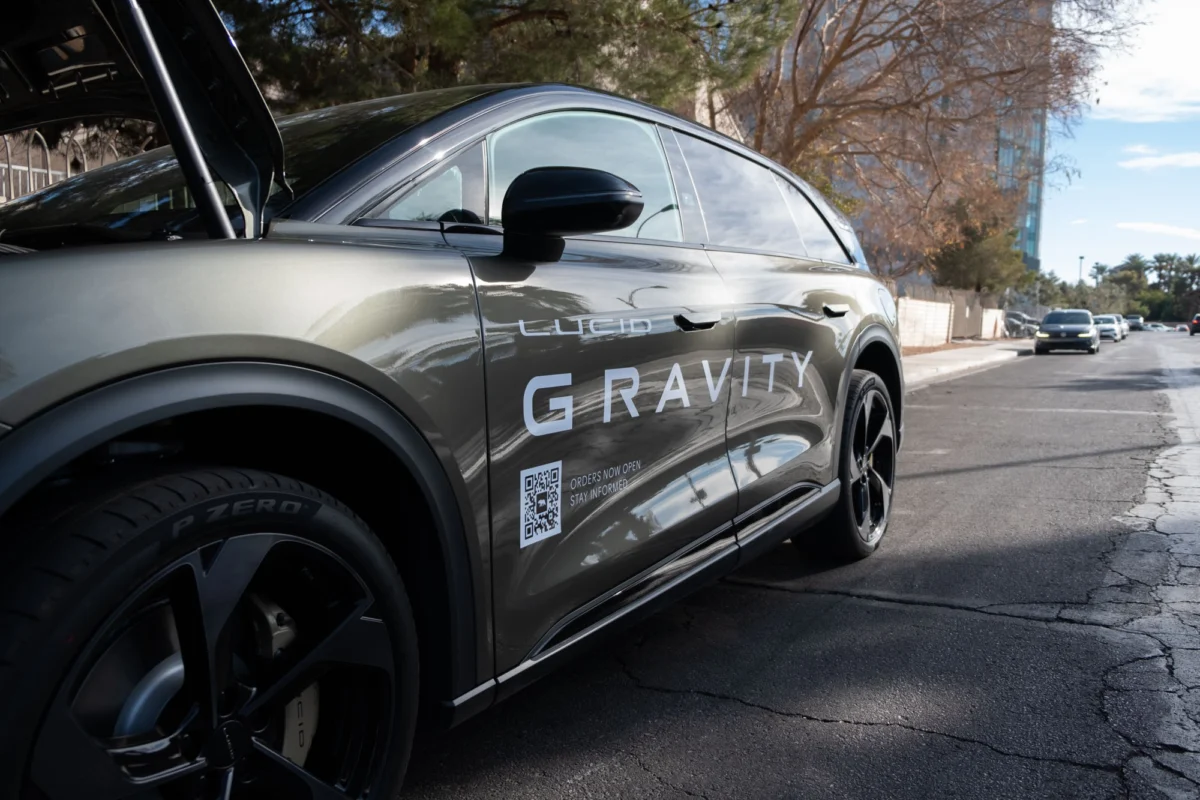
Lucid Group, the luxury electric vehicle manufacturer known for its Air sedan and the newly introduced Gravity SUV, faced a significant operational challenge in the first quarter of 2026, reporting a substantial decline in vehicle sales following a robust performance in 2025. This downturn, characterized by a 42% quarter-over-quarter sales drop and a concurrent vehicle recall, has been attributed by the company to a critical supplier quality issue affecting its second-row seats, rather than a flagging demand for its high-end EVs. The incident casts a spotlight on the intricate complexities of automotive supply chains and their profound impact on production and delivery schedules for emerging EV manufacturers.
A Detailed Look at Q1 2026 Performance
Following a banner year in 2025, where Lucid successfully doubled its electric vehicle production and achieved a 55% increase in sales compared to the previous year, expectations for 2026 were high. The company had built 18,378 EVs in 2025, signaling a strong upward trajectory in its manufacturing capabilities. However, the first three months of 2026 presented an unexpected hurdle. Lucid reported selling only 3,093 vehicles during the first quarter, a marked decrease from the previous quarter’s performance and marginally lower than the sales figures from the same period in the prior year. Despite this dip in deliveries, Lucid’s production remained relatively strong, with approximately 5,500 vehicles built during the quarter, indicating a growing disparity between units produced and units delivered to customers.
The reported sales figure represents a substantial 42% reduction from the fourth quarter of 2025, underscoring the immediate impact of the operational disruption. While the quarter-over-quarter decline is stark, the year-over-year comparison shows a more modest decrease of approximately 0.5%, suggesting that the issue was localized to the specific quarter rather than a prolonged trend. This discrepancy between production and sales is a critical metric for investors and analysts, often indicating either a softening of demand or, as Lucid contends, an impediment in the delivery pipeline.
The Genesis of the Problem: Supplier Quality and the Gravity SUV Recall
Lucid Group has been transparent in attributing the first-quarter sales decline and the widening gap between production and deliveries to a singular, critical factor: a supplier quality issue related to the second-row seats of its new Gravity SUV. This problem led to an immediate disruption in deliveries of the Gravity for 29 days, effectively stalling sales for a significant portion of February.
The severity of the issue escalated beyond mere delivery delays, culminating in a proactive recall of more than 4,000 Gravity SUVs. Lucid filed a report with the National Highway Traffic Safety Administration (NHTSA), detailing that certain anchors for the second-row seat belts in the affected vehicles were not properly welded. This manufacturing defect posed a significant safety risk, as improperly welded seat belt anchors could fail to adequately restrain occupants in the event of a collision, increasing the risk of injury. Such a safety-critical flaw necessitates immediate corrective action and underscores the paramount importance of stringent quality control throughout the supply chain, especially for components directly related to passenger safety.
Nick Twork, a spokesperson for Lucid, confirmed the direct link between the sales decrease and the supplier’s problems. He elaborated that an unapproved change implemented by the supplier necessitated a halt on Gravity sales for most of February. This pause was a precautionary measure taken by Lucid to ensure that all vehicles met the company’s rigorous quality standards before being released to customers. Twork emphasized the company’s commitment to quality and safety, noting that the measure was essential to uphold brand integrity.
Official Response and Reaffirmation of Future Outlook
Despite the significant setback, Lucid Group has maintained a confident stance regarding its ability to overcome the immediate challenges and achieve its broader strategic goals. In its securities filing on Friday, the company assured stakeholders that the supplier issue has been comprehensively addressed. This implies that corrective actions have been implemented, either through the original supplier rectifying the problem, or potentially through securing an alternative supplier or in-house remediation.
Crucially, Lucid reaffirmed its previously announced production guidance for the entire year 2026, projecting to build between 25,000 and 27,000 vehicles. This guidance represents an ambitious increase of as much as 47% from the 18,378 EVs produced in 2025. The reaffirmation of such a high production target, even in the wake of a significant first-quarter disruption, suggests that Lucid’s internal assessments indicate the supplier issue was temporary and has been resolved without impacting the company’s longer-term manufacturing capabilities or supply chain robustness.
Twork also sought to contextualize the Q1 performance, highlighting Lucid’s more recent successes. He stated that "following eight record quarters, we showed strong results in both January and March which very nearly achieved year-over-year growth on their own." This statement implies that the sales dip was largely concentrated in February due to the stop-sale order, and that demand for Lucid vehicles remained strong in the preceding and subsequent months of the quarter. This selective detailing aims to reassure the market that the underlying demand for Lucid’s luxury EVs is robust and the Q1 anomaly was an isolated, controllable event.
Broader Context: Lucid’s Trajectory and the Challenges of Scaling
Lucid Group’s journey in the highly competitive electric vehicle market has been characterized by both ambitious innovation and the inherent difficulties of scaling production for a new automotive entrant. Founded with a vision to redefine luxury electric mobility, Lucid launched its flagship Air sedan to critical acclaim, lauded for its industry-leading range, performance, and luxurious interior. The introduction of the Gravity SUV was a strategic move to tap into the booming SUV market, a segment crucial for achieving significant sales volumes and profitability.
However, scaling production in the automotive industry is a notoriously capital-intensive and complex endeavor. EV startups, in particular, often face a unique set of challenges, including establishing reliable supply chains, optimizing manufacturing processes, and managing intricate logistics. Lucid, like many of its peers, has experienced its share of production ramp-up difficulties since its inception. These challenges are often compounded by the necessity to maintain stringent quality standards for high-end luxury vehicles, where customer expectations are exceptionally high.
The company’s financial backing, notably from Saudi Arabia’s Public Investment Fund (PIF), has been instrumental in supporting its significant capital expenditures and R&D efforts. However, achieving sustainable profitability requires consistent production and delivery, making incidents like the Q1 supplier issue particularly impactful on investor sentiment and cash flow management.
The Crucial Role of Supply Chains in Automotive Manufacturing
The incident with Lucid’s second-row seat supplier serves as a stark reminder of the critical importance of robust and resilient supply chains in the automotive industry. Modern vehicle manufacturing relies on a vast network of suppliers, each responsible for delivering components that meet precise specifications and quality standards. A single point of failure in this intricate web can have cascading effects, leading to production delays, delivery disruptions, costly recalls, and significant reputational damage.
For premium brands like Lucid, where quality and safety are core tenets of their value proposition, supplier vetting and ongoing quality assurance are paramount. The fact that an "unapproved change" by a supplier led to a safety-critical defect highlights the need for continuous oversight and clear communication protocols between manufacturers and their suppliers. The automotive industry has witnessed numerous instances where supply chain vulnerabilities, whether due to quality issues, geopolitical events, or natural disasters, have brought production lines to a standstill. Lucid’s experience underscores that even established companies, let alone emerging players, must invest heavily in managing these complex relationships and mitigating risks.
Strategic Vision: The Path to the Mass Market
Looking beyond the immediate challenges, Lucid Group is preparing for a pivotal strategic shift: the introduction of its first vehicle on a new, lower-cost platform designed for the mass market. This forthcoming vehicle is projected to be priced around $50,000, a move that will place Lucid in direct competition with some of the most popular electric vehicles on the market. Key rivals in this segment will include the highly anticipated Rivian R2 SUV, as well as established contenders like the Tesla Model Y, Tesla Model 3, and the Chevrolet Equinox EV.
This expansion into a more accessible price point is critical for Lucid’s long-term growth and its aspiration to transition from a niche luxury brand to a significant player in the broader EV market. However, success in the mass market requires not only competitive pricing but also flawless execution in production, consistent quality, and a robust service network—areas where any supply chain disruption could be even more detrimental due given the higher volumes and broader customer base.
The ability to deliver a high-quality, cost-effective vehicle at scale will be the ultimate test of Lucid’s manufacturing prowess and supply chain resilience. The lessons learned from the Q1 2026 supplier issue, particularly concerning the Gravity SUV’s seat belts, will undoubtedly inform the development and production processes for this crucial new platform. Ensuring that such quality control failures are not replicated will be paramount for gaining market share and establishing a strong foothold in the fiercely competitive $50,000 EV segment.
Market Implications and Future Outlook
The Q1 2026 performance and the accompanying recall are likely to be met with scrutiny from investors and market analysts. While Lucid’s reaffirmation of its annual production guidance offers a degree of reassurance, the incident highlights the inherent risks in scaling up production and the fragility of even well-managed supply chains. Investor confidence hinges on consistent execution and the ability to meet projected targets. Any further delays or quality issues could erode trust and impact the company’s valuation.
From a brand perspective, recalls, especially those involving safety-critical components, can dent consumer confidence. However, Lucid’s proactive approach in identifying the issue, issuing a stop-sale, and initiating a recall demonstrates a commitment to safety and transparency, which can help mitigate long-term damage to its reputation. The luxury EV market, in particular, demands uncompromising quality, and any perceived lapse can be costly.
In conclusion, Lucid Group’s first quarter of 2026 represents a critical moment in its operational timeline. The significant sales dip and the Gravity SUV recall, though attributed to a specific supplier issue, underscore the complex challenges faced by emerging automotive manufacturers. As Lucid pushes forward with its ambitious production targets and its strategic entry into the mass market, the robust management of its supply chain and an unwavering commitment to quality will be paramount to its continued success and its ability to realize its vision of leading the future of electric mobility. The coming quarters will be crucial in demonstrating whether the company has truly put these operational hurdles behind it and is on track to achieve its ambitious growth objectives.