Reynand Wu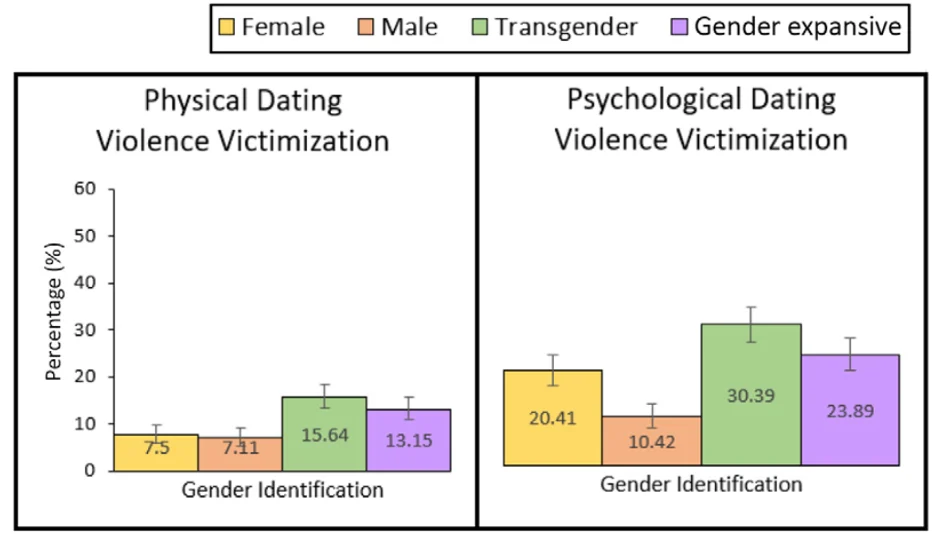
In recent years, sociologists and cultural commentators have increasingly focused on the evolving landscape of modern romance, delving into phenomena such as hookup culture and the nuanced dynamics of contemporary dating. However, a significant blind spot persists in much of this discourse: the often-overlooked experiences of transgender individuals. Compounding this oversight, academic and popular discussions frequently adopt a narrow focus, concentrating primarily on college campuses and failing to acknowledge the pervasive influence of dating applications across diverse age groups and demographics. This myopic view not only marginalizes a significant segment of the population but also obscures the unique challenges and heightened vulnerabilities faced by trans people navigating romantic and sexual relationships in the digital age.
The imperative to center trans experiences in discussions about modern dating is underscored by alarming statistics and pervasive anecdotal evidence. A pivotal 2021 study revealed that trans youth are twice as likely as cisgender women to have experienced physical dating violence, and an astonishing fifty percent more likely to have endured psychological dating violence. These figures paint a stark picture of a community disproportionately targeted by harm within intimate relationships. Further research in 2023 elucidated common threads in these experiences, most notably the dehumanizing phenomenon of fetishization and the constant burden of confronting preconceived assumptions about trans identities. As one trans woman participant powerfully articulated, "Because I’m a trans woman, people instantly assume that I must be this massive bottom." Similarly, a trans man recounted feeling an acute disconnect, stating, "I just felt like they weren’t talking to me. They were talking to an idea they had about me." These testimonies highlight a profound sense of invalidation and objectification, where identity is reduced to a stereotype rather than recognized in its authentic complexity.
Navigating Disclosure: A Calculated Risk in the Digital Sphere
The advent and ubiquity of dating applications have fundamentally reshaped how individuals connect, yet for trans people, these platforms introduce an additional layer of complexity and potential danger: the decision to disclose their trans identity to prospective partners. Extensive research has explored the strategic calculus behind this disclosure. The majority of trans participants proactively and explicitly reveal their identity, driven primarily by profound concerns about personal safety and the risk of violence. This fear is not abstract; it is a lived reality. One genderfluid individual residing in a rural area chillingly described their internal monologue when meeting someone face-to-face from a dating app: "that person could be the person that kills me." This stark admission underscores the ever-present threat of transphobic violence that shadows trans individuals’ pursuit of intimacy.
Conversely, some trans individuals opt for more subtle or "softer" disclosure methods. This might involve carefully curating their dating app profiles to showcase different facets of their identity through multiple profile pictures, hoping to convey their truth without explicitly stating it. These strategies often represent a delicate balance between the desire for authenticity and the necessity of self-preservation. The emotional labor involved in such calculations—weighing potential connection against potential harm—is immense and largely invisible to cisgender individuals. The pressure to "pass" or to manage others’ perceptions can dictate everything from profile presentation to initial conversational exchanges, creating a constant state of hypervigilance.
The Intersectional Layers of Vulnerability
The risks within the trans community are not uniformly distributed; intersectional identities often amplify vulnerability. A separate 2021 study illuminated this crucial point, finding that Black, Indigenous, and People of Color (BIPOC), queer, and transfeminine individuals are the most likely to have experienced dating violence. This finding highlights how systemic racism, homophobia, and transphobia converge to create compounded marginalization and increased exposure to harm.
A particularly poignant 2022 study delved into the dating experiences of BIPOC trans women, uncovering a disturbing pattern where their cisgender male partners frequently concealed their relationships from public view. This secrecy, born of societal stigma and internalized transphobia, carried severe consequences, including physical violence and profound psychological trauma for the trans women involved. One participant articulated the devastating reality: "We getting killed just because of the guys here were scared that they secret would come out." This quote encapsulates the life-threatening danger that can arise from partners’ fear of social repercussions, transforming intimacy into a perilous gamble.
In response to these pervasive threats, BIPOC trans women described developing intricate "survival strategies." These included constant hypervigilance in social settings, carefully selecting clothing to avoid being "found out" or targeted, and strategically avoiding certain men perceived as potential threats. These tactics are not merely personal preferences but essential defense mechanisms against a hostile environment, underscoring the deep-seated fear and lack of safety that permeate their romantic lives. The burden of this constant self-monitoring and adaptation is an exhausting psychological toll, detracting from the joy and freedom that healthy relationships should offer.
A Call for Systemic Change: Remedies and Responsibilities
The researchers behind these critical studies are not merely documenting problems; they are actively proposing multi-faceted remedies to foster a safer, more inclusive future for trans individuals in dating. These recommendations span education, technological innovation, and legal reform.
First and foremost, there is an urgent call for comprehensive trans-inclusive education. This encompasses integrating trans-affirming content into school curricula, reforming sex education to be explicitly inclusive of diverse gender identities and sexual orientations, and implementing specialized violence prevention training. Such educational initiatives have demonstrated a tangible positive impact, making both trans people and their partners feel more comfortable, fostering greater understanding, and dismantling harmful stereotypes. The current educational landscape in many regions, however, remains woefully inadequate, often perpetuating cisnormative biases or outright erasing trans experiences. Expanding these educational frameworks is not just about awareness; it’s about cultivating empathy, respect, and ultimately, safer communities.
Second, the design and functionality of dating applications require significant enhancement. Trans users have voiced a clear demand for improved filtering options that empower them to curate their online interactions more effectively. As one participant articulated, "The majority of the interactions I have with cis men on dating apps are just shit, full stop . . . can I have less of them pop up?" This highlights a critical need for dating app developers to move beyond superficial inclusivity (like offering more gender options) and implement robust features that actively mitigate harassment and unwanted contact. This could include advanced preference settings, stricter moderation policies for discriminatory behavior, and more nuanced ways for users to signal their intentions and boundaries. Dating app companies, as facilitators of modern romance, bear a significant ethical responsibility to create genuinely safe and equitable platforms for all users, particularly those from marginalized communities. This responsibility extends to investing in sophisticated AI and human moderation to swiftly address reports of harassment, misgendering, and hate speech.
Finally, and perhaps most critically, legal reforms are essential to protect trans individuals from the most extreme forms of violence. Several study authors strongly advocate for the prohibition of "trans panic defenses." These abhorrent legal strategies allow perpetrators of violent crimes to justify their actions by claiming a temporary loss of control or mental instability upon discovering their victim is transgender. Such defenses effectively legitimize violence against trans people, treating their identity as provocation for assault or murder. The American Bar Association has officially called for the abolition of these defenses, and a growing number of U.S. states have moved to ban them, signaling a crucial step towards recognizing the full humanity and legal protections owed to trans individuals. However, the continued existence of these defenses in many jurisdictions underscores the systemic nature of anti-trans prejudice within legal systems.
Broader Implications and the Path Forward
The challenges faced by trans individuals in dating are not isolated incidents but reflections of broader societal currents. As trans people achieve unprecedented levels of visibility in media, culture, and politics, they simultaneously find themselves under intense scrutiny and attack. The year 2023, for instance, marked a record surge in anti-trans legislation across the United States, signaling a concerted effort to roll back trans rights and diminish their presence in public life. This paradox of increased visibility coupled with escalating hostility creates a uniquely precarious environment for trans individuals, impacting every facet of their lives, including their pursuit of romantic and sexual relationships.
Social science research unequivocally demonstrates that creating a safer and less anxious future for trans people in their search for partners requires a multi-pronged approach that extends beyond individual actions to systemic change. It demands a collective societal commitment to challenging transphobia, advocating for inclusive policies, and fostering environments where trans identities are affirmed, respected, and protected. This includes cisgender allies actively educating themselves, challenging prejudice in their own circles, and supporting trans-led advocacy efforts. The resilience of the trans community in the face of such adversity is a testament to their strength, but it should not be mistaken for an absence of need. The journey towards truly equitable and safe dating experiences for all, regardless of gender identity, is ongoing, requiring sustained effort from researchers, policymakers, technology developers, and every individual committed to justice and human dignity.
Leah Long, a history and sociology student at Macalester College, contributes significantly to this vital discourse through her research and writing on trans history and politics, shedding light on these critical issues for a broader audience.