Ferry Irwandi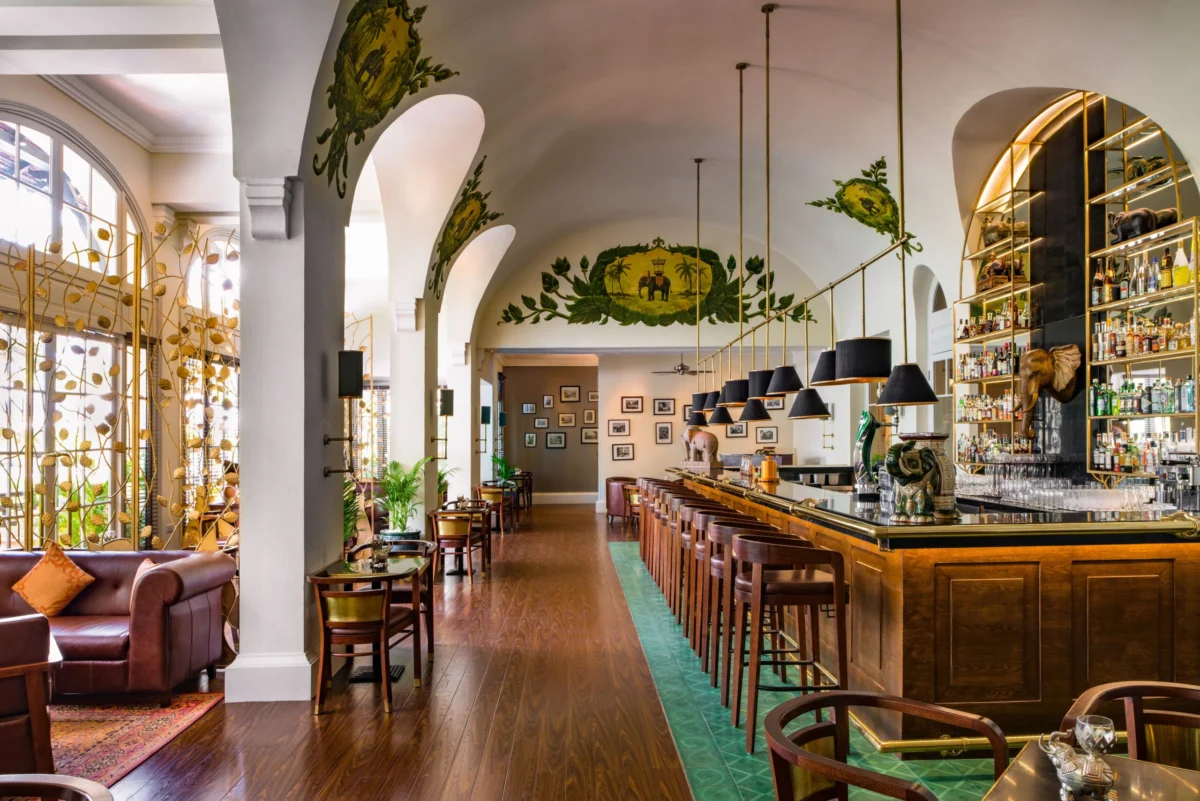
For decades, the global perception of Phnom Penh has been anchored to its tragic history. Situated at the scenic confluence of the Mekong and Tonle Sap rivers, the Cambodian capital has struggled to emerge from the shadow of the Khmer Rouge era, often viewed by international travelers as a somber stopover rather than a primary destination. This historical gravity has historically led tourists to bypass the city in favor of the temple complexes of Siem Reap or the regional metropolitan hubs of Bangkok and Ho Chi Minh City. However, a quiet yet profound transformation is currently reshaping the city, driven by massive infrastructure investments, a burgeoning creative economy, and a younger generation of entrepreneurs who are reclaiming the Khmer identity through a modern, global lens.
Infrastructure as a Gateway to Modernity
The most visible symbol of Phnom Penh’s evolution is the Techo International Airport. Designed by the renowned architectural firm Foster + Partners, the first phase of this $2 billion project represents a paradigm shift in how the country presents itself to the world. Spanning over 6,400 acres, the airport is slated to become one of the world’s largest aviation hubs by its projected completion in 2050. The design itself is a deliberate fusion of Cambodian heritage and sustainable technology; the arrival halls feature soaring arched ceilings that mimic the structural elegance of ancient Khmer temples, while the integration of native Romduol trees within the terminal spaces brings the natural environment into the industrial landscape.

This infrastructure boom extends into the city’s urban core. The recent launch of the Chaktomuk Walk Street, the capital’s first dedicated pedestrian zone, marks a significant change in urban planning. Historically a city dominated by motorized tuk-tuks and heavy traffic, the introduction of a sprawling riverfront space for artisans, street food vendors, and cultural performances suggests a move toward more livable, community-focused urban design. These developments are not merely cosmetic; they are strategic efforts to position Phnom Penh as a competitive regional player in the 21st-century tourism and logistics sectors.
The Demographic Shift and the Rise of Khmer-Led Innovation
Central to this transformation is a demographic shift. Cambodia has one of the youngest populations in Southeast Asia, with a median age of approximately 27. This generation, largely born after the civil unrest of the late 20th century, possesses a worldly perspective and a sharp design sensibility that is increasingly independent of foreign non-governmental organizations (NGOs) and expat-led initiatives.
Vanna Sann, founder of the ethical clothing brand Dorsu, notes that the city has gained a newfound confidence. According to Sann, the retail and lifestyle scene was once heavily influenced by the "NGO-adjacent" economy. Today, however, there is a visible surge in Cambodian-led creative businesses that prioritize local narratives and high global standards. These entrepreneurs are catering to a more discerning local audience that seeks to balance modern luxury with authentic Khmer roots.

This creative freedom is partly facilitated by Cambodia’s evolving regulatory framework. Unlike the more rigid administrative environments of Hong Kong or Singapore, Phnom Penh offers a level of flexibility that allows for rapid implementation of new ideas. Jan van Dyk, director of culinary at Rosewood Phnom Penh, highlights that the relative ease of establishing sustainable supply chains and local producer networks has allowed the city’s hospitality sector to innovate at a pace that would be difficult to replicate in more established markets.
Sustainable Fashion and the Circular Economy
Cambodia’s status as a global garment production hub—an industry that generates roughly 140,000 tons of textile waste annually—has provided an unexpected catalyst for sustainable innovation. A new wave of designers is viewing this industrial byproduct as a resource rather than a burden.
Boutiques such as Interwoven Atelier, Nary, and Dorsu have pioneered the use of "dead stock" fabrics—surplus textiles from large-scale factories—to create high-end, earth-friendly fashion. Jess Kalisiak, founder of Interwoven, emphasizes the advantage of proximity to the supply chain, which allows designers to maintain total transparency in their production processes.

Even more ambitious is the work of ReMade In Cambodia. Founded by Alyssa Loera and Nind Hou, the organization collaborates with environmental agencies to reclaim discarded fabric from the Mekong River. These materials are then upcycled into runway-ready collections, featured prominently in events like the annual Phnom Penh Designers Week. This movement represents a significant pivot from the "fast fashion" reputation of the region toward a more circular and responsible creative economy.
A New Era of Khmer Gastronomy and Mixology
The culinary landscape of Phnom Penh is undergoing a similar revolution, moving away from simplified "tourist-friendly" menus toward elevated, authentic Khmer flavors. Chef Tim Pheak of Bai Sor is at the forefront of this movement, spinning traditional homestyle cooking into sophisticated dishes. By utilizing ingredients like bee larvae—a traditional delicacy—Pheak is challenging international diners to engage with the complexity of Cambodian ingredients without dilution.
Parallel to this is the city’s rapid ascent as a cocktail hub in Asia. The cocktail scene has "leveled up" from basic offerings to sophisticated mixology that incorporates local spirits and botanicals. Sora, the rooftop bar at the Rosewood, made history in 2025 by becoming the first Cambodian establishment included in the Asia’s 50 Best Bars list. The bar’s menu draws heavily from the country’s agricultural bounty, utilizing Kampot pepper, local herbs, and spirits from domestic producers like Seekers (a Mekong-themed gin distillery) and Samai (Cambodia’s first rum producer).

Tania Unsworth, co-founder of Seekers, observes that the proliferation of locally owned cocktail bars is a testament to the city’s maturing market. This evolution is not just about luxury; it is about the "Khmerification" of international trends, where global techniques are used to highlight local produce and craftsmanship.
Social Progress and Cultural Revival
Beyond economics and infrastructure, Phnom Penh is witnessing a resurgence of cultural expression that tackles complex social issues. The Acting Art Academy’s "The Last Stage" is a non-profit performing arts center dedicated to reviving the local cinema and theater scene, which was almost entirely extinguished during the Khmer Rouge era. By presenting contemporary works that explore the darker facets of modern Cambodian society, the center provides a platform for critical discourse and artistic healing.
The city’s social fabric is also becoming more inclusive. Pride Fest Cambodia has grown from clandestine private gatherings in the early 2000s to a massive public carnival that includes drag performances and city-wide events. Organizer Ath Rattanack notes that despite legal restrictions on large public gatherings, the festival draws thousands of participants annually. This growing visibility of the LGBTQ+ community is a powerful indicator of a more open and progressive urban culture.

The Hospitality Landscape: Balancing Heritage and Growth
The entry of major international luxury brands has signaled a new level of confidence in Phnom Penh’s investment climate. The recent opening of the Shangri-La Phnom Penh, situated in a high-rise district characterized by rapid skyscraper development, highlights the city’s shift toward ultra-modernity.
However, this growth is balanced by the preservation of the city’s architectural heritage. The Raffles Hotel Le Royal remains a cornerstone of the city’s hospitality sector, offering a connection to the colonial-era elegance that once defined the "Pearl of Asia." Meanwhile, the Rosewood Phnom Penh has positioned itself as a bridge between the city’s past and its future, hosting art exhibitions for local galleries and spearheading sustainability initiatives that benefit the wider community.
Broader Impact and Regional Implications
The transformation of Phnom Penh has significant implications for Southeast Asian tourism and economics. By diversifying its offerings beyond historical trauma, the city is positioning itself to capture a larger share of the "creative traveler" market—those seeking authentic, design-forward, and sustainable experiences.
.jpg)
From a regional perspective, Phnom Penh’s rapid development challenges the dominance of established hubs like Bangkok. While the city still faces hurdles, such as a developing public transport system and the need for continued regulatory transparency, the momentum of its creative and infrastructure sectors is undeniable. The "quiet transformation" is no longer quiet; it is a loud declaration that Phnom Penh is ready to be defined by its present innovations rather than its past tragedies.
As the city continues to expand toward its 2050 master plan, the success of its evolution will likely depend on its ability to maintain this balance: embracing the "electrifying sense of creative freedom" described by local industry leaders while ensuring that the benefits of modernization reach the broader population of 2.5 million residents. For now, the capital of Cambodia stands as a compelling case study in how a city can navigate the complexities of recovery to become a leading light of regional creativity.