Nila Kartika Wati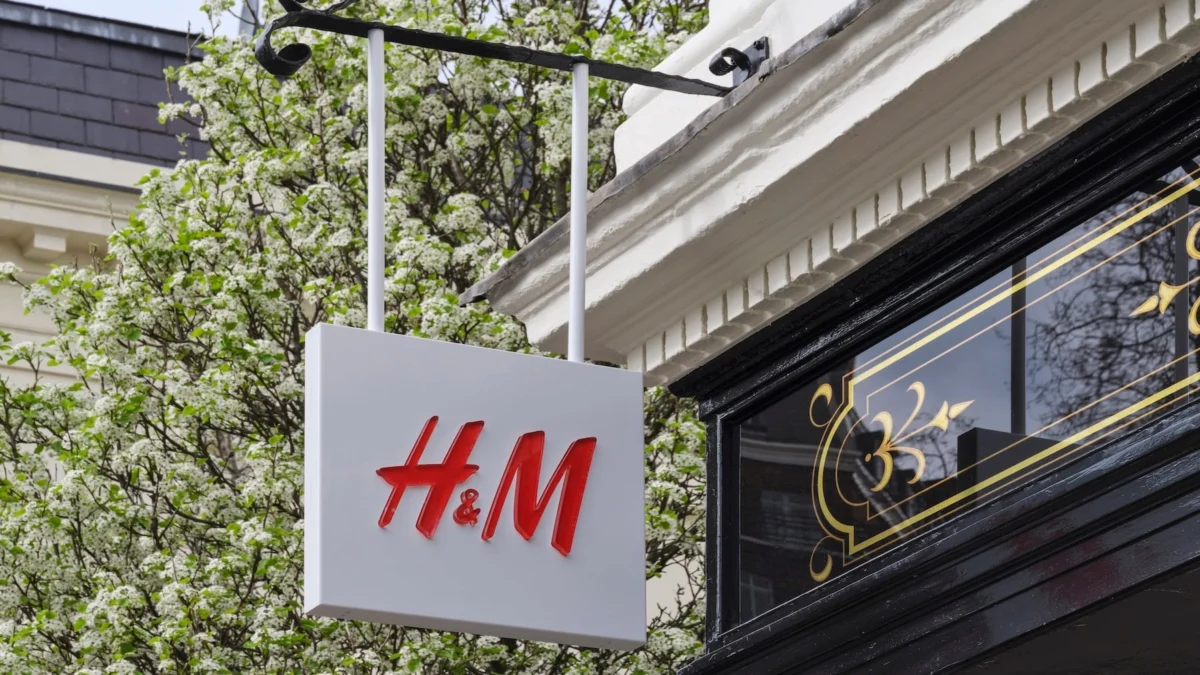
The global fashion industry, a sector long scrutinized for its environmental footprint, is currently navigating a complex landscape where sustainability is increasingly being positioned as a key driver of consumer appeal. From established giants like H&M experimenting with elevated store experiences and sustainable messaging to ultra-fast fashion players like Shein venturing into circularity studies, brands are grappling with how to translate eco-conscious initiatives into tangible sales and customer loyalty. This evolving dynamic raises critical questions about the genuine impact of these efforts and whether they represent a fundamental shift or a strategic marketing maneuver.
H&M, a company that has faced persistent criticism regarding its environmental practices, is making a concerted effort to reframe its brand image. Its recent initiative, exemplified by an upgraded store in South West London, aims to present a more sophisticated, climate-friendly, and yet still accessible offering to shoppers. This strategic move appears designed to align with a growing consumer demand for brands that demonstrate a commitment to environmental responsibility, without alienating its core customer base that values affordability. The success of this repositioning, however, hinges on its ability to authentically resonate with consumers. While the visual cues and enhanced in-store experience might signal a shift, the ultimate test will be whether these efforts translate into sustained consumer engagement and a demonstrable reduction in the brand’s overall environmental impact.
Simultaneously, Shein, an online fast-fashion behemoth notorious for its rapid production cycles and low prices, has embarked on its own sustainability journey, albeit from a vastly different starting point. The company recently released a circularity study, signaling an awareness of the growing pressure to address the environmental consequences of its business model. This move, while potentially a proactive response to increasing regulatory and public scrutiny, also raises questions about the depth and scope of its commitment. The fast-fashion model, by its very nature, is built on high volume and rapid turnover, making a truly circular approach a significant challenge. Whether Shein’s study represents a genuine commitment to systemic change or a calculated effort to mitigate reputational damage remains to be seen. The implications of such a study, if it leads to tangible changes in production, materials, and end-of-life solutions, could be substantial, given Shein’s immense global reach.
Adding another layer to this evolving narrative, a campaign showcasing athleisure wear made using clean energy highlights the industry’s exploration of innovative production methods. This initiative underscores the potential for technological advancements to mitigate the environmental impact of fashion manufacturing. The use of clean energy in the production of everyday items like athleisure wear suggests a broader trend towards decarbonization within the supply chain. Such campaigns, when backed by verifiable data and transparent reporting, can educate consumers and foster a greater appreciation for sustainable manufacturing processes.
The challenge for fashion brands lies in bridging the gap between stated sustainability goals and demonstrable, impactful action. Consumers are becoming increasingly discerning, moving beyond superficial greenwashing to demand tangible evidence of a brand’s commitment. This necessitates a transparent approach to supply chains, material sourcing, labor practices, and waste reduction. The proliferation of sustainability certifications and reporting frameworks, while helpful, can also create confusion. Consumers often struggle to navigate the nuances of different claims, making it difficult to identify truly sustainable options.
The Shifting Landscape of Consumer Demand and Brand Response
The growing consumer awareness of environmental issues has been a gradual but significant force shaping the fashion industry. For years, the environmental costs of fast fashion – from water pollution and carbon emissions to landfill waste – have been well-documented. Research from organizations like the United Nations Environment Programme (UNEP) has consistently highlighted fashion’s substantial contribution to global pollution, estimating that the industry is responsible for up to 10% of global carbon emissions and is a major consumer of water. Furthermore, the Ellen MacArthur Foundation has reported that a truckload of textiles is landfilled or incinerated every second, underscoring the immense waste generated by the sector.
In response to this mounting evidence and a growing chorus of activist voices, consumers, particularly younger generations, have begun to prioritize brands that align with their values. Surveys from McKinsey & Company and other market research firms have indicated a rising willingness among consumers to pay more for sustainable products and to switch brands based on their environmental and social performance. This shift in consumer sentiment has created both an opportunity and a pressure point for fashion companies.
H&M’s strategy, as seen in its upgraded store in South West London, appears to be a direct response to this evolving consumer expectation. The brand has been investing in its "Conscious" collection and promoting its use of recycled and organic materials for several years. The recent store enhancement suggests a more integrated approach, aiming to convey a holistic brand image that encompasses sustainability, elevated design, and continued affordability. The inclusion of features that highlight sustainable practices within the store environment itself could be a deliberate tactic to reinforce this message at the point of purchase.
However, H&M’s journey has not been without its controversies. The brand has faced accusations of "greenwashing" in the past, with critics questioning the efficacy of its sustainability initiatives in the face of its overall business model, which relies on high-volume production. The sustainability of its supply chain, which spans numerous countries with varying environmental regulations, remains a complex and ongoing challenge. The success of its current positioning will depend on its ability to provide clear, verifiable data on its environmental impact reduction and to ensure that its sustainability claims are robust and transparent.
Shein’s Circularity Ambitions: A New Frontier or a Marketing Ploy?
Shein’s entry into the sustainability discourse, particularly with its circularity study, marks a significant development given its position as a dominant player in the ultra-fast fashion segment. For years, Shein has operated with a business model that prioritizes speed, volume, and low cost, often at the expense of environmental considerations. Its ability to produce vast quantities of trendy clothing at incredibly low prices has made it a global phenomenon, particularly among younger consumers.
The release of a circularity study by Shein is a notable departure from its previous operational focus. Circularity in fashion refers to a system where clothing is designed, produced, and consumed in a way that minimizes waste and keeps materials in use for as long as possible. This typically involves strategies such as designing for durability and recyclability, promoting repair and resale, and developing advanced recycling technologies.
The timing of Shein’s circularity study is also noteworthy. The company has faced increasing scrutiny from regulators and consumer advocacy groups regarding its environmental and labor practices. For instance, in the European Union, discussions around Extended Producer Responsibility (EPR) schemes for textiles are gaining momentum, which could hold brands like Shein more accountable for the end-of-life management of their products. Furthermore, reports from organizations like the Clean Clothes Campaign have highlighted concerns about labor conditions within Shein’s extensive supply chain.
Therefore, Shein’s circularity study could be interpreted in several ways. It may represent a genuine attempt to pivot its business model towards more sustainable practices, driven by a recognition of the long-term risks associated with its current approach. Alternatively, it could be a strategic move to preemptively address regulatory pressures and improve its public image, a tactic often referred to as "greenwashing" if not accompanied by substantial, verifiable changes.
The implications of Shein genuinely embracing circularity would be profound. Given its massive scale, any meaningful shift in its production and consumption model could have a significant positive impact on the environment. However, the inherent contradiction between the ultra-fast fashion model and the principles of circularity presents a substantial hurdle. Achieving true circularity for a company that thrives on rapid production and disposability will require a fundamental re-evaluation of its core business operations. The industry will be watching closely to see if Shein’s study translates into concrete actions, such as investing in sustainable materials, developing take-back programs, or supporting innovative recycling technologies.
The Role of Innovation and Clean Energy in Fashion
The campaign highlighting athleisure wear made using clean energy offers a glimpse into the potential of technological innovation to address the environmental challenges of fashion production. The fashion industry is a significant consumer of energy, from powering factories and transportation to manufacturing synthetic fibers. Transitioning to renewable energy sources is a crucial step in reducing its carbon footprint.
Clean energy in fashion production can manifest in various ways. This includes sourcing electricity from solar, wind, or hydro power for manufacturing facilities, utilizing more energy-efficient machinery, and exploring innovative material production processes that have a lower energy demand. For example, the development of bio-based materials or the use of advanced dyeing techniques that require less water and energy can contribute to a more sustainable production cycle.
The success of such initiatives depends on several factors. Firstly, transparency in reporting is essential. Brands need to provide clear data on the proportion of their energy consumption that is met by renewable sources and the methodologies used to achieve this. Secondly, scalability is key. While pilot projects and niche campaigns are valuable for demonstrating possibilities, a widespread adoption of clean energy practices across the industry is necessary for significant environmental impact.
The challenge for the industry is to integrate these innovative solutions into their existing supply chains and to make them economically viable. This often requires significant investment in new technologies and infrastructure. However, the long-term benefits, including reduced operational costs, enhanced brand reputation, and compliance with future environmental regulations, can outweigh the initial investment.
Broader Impact and the Road Ahead
The current efforts by H&M, Shein, and others signal a growing recognition within the fashion industry that sustainability is no longer a niche concern but a critical business imperative. The question of "saleability" – whether eco-conscious initiatives can drive sales and build brand loyalty – is at the forefront of strategic decision-making.
The implications of this evolving landscape are far-reaching:
- Increased Scrutiny and Regulation: As consumer awareness grows and environmental impacts become more evident, regulatory bodies are likely to impose stricter guidelines on the fashion industry regarding sustainability, transparency, and waste management. This could lead to new legislation and compliance requirements for brands globally.
- Shift in Supply Chain Dynamics: Brands will need to work more closely with their suppliers to ensure sustainable practices throughout the entire value chain. This may involve investing in supplier training, developing sustainable sourcing strategies, and demanding greater transparency.
- Consumer Empowerment: With more information available and a growing number of sustainable options, consumers will have greater power to influence the industry through their purchasing decisions. This will likely lead to a more demand-driven approach to sustainability.
- Innovation and Collaboration: The challenges of sustainability will spur further innovation in materials, production processes, and business models. Collaboration between brands, technology providers, researchers, and NGOs will be crucial for driving systemic change.
Ultimately, fashion’s quest for saleable sustainability is a complex journey. It requires a delicate balance between addressing environmental concerns, meeting consumer expectations, and maintaining business viability. While initiatives from brands like H&M and Shein represent steps in different directions, the true measure of their success will be their ability to demonstrate genuine, impactful, and transparent commitments to a more sustainable future for the industry. The long-term viability of fashion brands will increasingly depend not just on their ability to create desirable products, but also on their capacity to do so responsibly and ethically.