
 Reynand Wu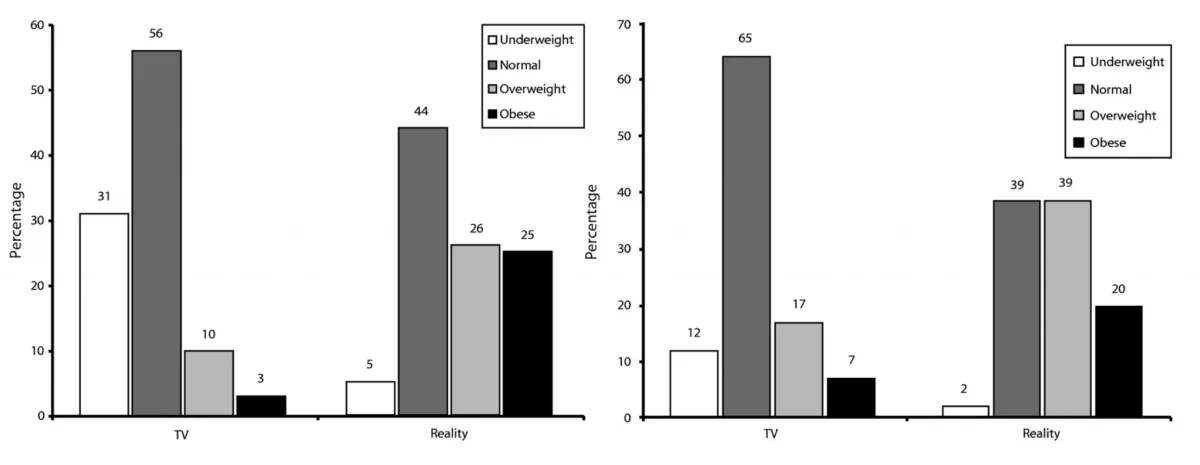
Television, a pervasive medium shaping societal perceptions and norms, frequently distorts, mocks, and marginalizes individuals with larger bodies. Rather than offering nuanced portrayals, fat characters are often reduced to simplistic caricatures, their stories and identities undeveloped and deemed inconsequential within narratives. This systemic issue perpetuates harmful stereotypes and significantly impacts audience self-perception, particularly concerning body image.
A pivotal study by Tzoutzou et al. illuminated this stark reality by analyzing appearance-related compliments in television programming. Their findings were unambiguous: all 36 compliments related to physical appearance bestowed upon female characters were directed exclusively at thin women. Not a single positive message regarding appearance was extended to a woman of average or overweight body type. A similar pattern emerged for male characters, with only one overweight individual receiving a positive appearance-related message. This data underscores a deeply ingrained bias, signaling to viewers that external beauty is inextricably linked to thinness, effectively excluding anyone who deviates from this narrowly defined aesthetic standard.
The implications of such skewed representation are profound. Viewers, particularly those who do not conform to the prevailing "thin ideal," can internalize these messages, leading to diminished self-esteem and body dissatisfaction. The consistent portrayal of fat individuals in negative or dismissive lights on screen can directly influence how audiences perceive their own bodies, fostering a sense of inadequacy or shame if their physique does not align with the idealized body standards consistently presented.
A Historical Glimpse at Body Ideals in Media
The journey of body representation in media is a complex tapestry woven with societal anxieties and cultural shifts. From the early days of cinema, a certain aesthetic was often championed, though it evolved over time. In Hollywood’s Golden Age, stars often embodied a more voluptuous ideal, yet even then, specific body types were celebrated over others. As the 20th century progressed, particularly from the mid-century onwards, the "thin ideal" began to solidify its dominance, influenced by fashion, advertising, and a nascent understanding of health, which often conflated thinness with wellness.
By the advent of widespread television in the latter half of the 20th century, the stage was set for the pervasive entrenchment of this ideal. Characters who were visibly larger were increasingly relegated to specific, often problematic, roles. The use of "fat suits" for comedic effect, a practice that continues in some forms even today, became a common trope, effectively dehumanizing the characters and reducing their weight to a punchline. This historical trajectory highlights that the current state of fat representation is not an anomaly but rather the culmination of decades of reinforced cultural biases within media production.
The Scarcity and Stigmatization of Fat Characters
Beyond the overwhelmingly negative quality of their portrayals, fat bodies are also significantly underrepresented on television shows, creating a demographic disconnect between the screen and reality. Data from studies like Brownell et al. (2003) vividly illustrate this disparity. Their comparison of female body types on television versus reality in 1999-2000 showed a marked underrepresentation of average and overweight women on screen. While a substantial portion of the female population fell into average or overweight categories, television depictions skewed heavily towards thinness. The same pattern was observed for men, indicating a systemic failure to reflect the actual diversity of body types within the viewing public. More recent analyses, while varying in exact figures, consistently demonstrate that individuals classified as overweight or obese are significantly less likely to appear on screen in meaningful roles compared to their prevalence in the general population. For instance, some studies suggest that while over two-thirds of American adults are overweight or obese, they represent a mere fraction of characters on popular television shows.
This pattern of dehumanization continues through the lack of character development afforded to fat individuals. They are frequently cast into one-dimensional roles, most commonly as a comedic sidekick or a villain, preventing the audience from engaging with them as complex human beings.
In the realm of comedy, the treatment of fat women is particularly egregious. Research indicates that audiences are often encouraged to laugh at fat women, rather than with them. Overweight women are approximately twice as likely to be the direct subject of a joke compared to their thinner counterparts. Furthermore, these characters typically occupy smaller roles, are less likely to be involved in romantic relationships, and engage in fewer positive interactions than thin characters. This consistent comedic exploitation reinforces the idea that larger bodies are inherently funny or deserving of ridicule, stripping away their dignity and potential for genuine connection.
The media’s representation of fat characters as villains is equally problematic. A study by Himes and Thompson, focusing on popular children’s videos, found that "obesity was equated with negative traits (evil, unattractive, unfriendly, cruel) in 64% of the most popular children’s videos." This alarming statistic reveals how early in life children are exposed to the damaging association between body size and moral character. Iconic examples abound in children’s literature and film, such as Ursula from The Little Mermaid or the Queen of Hearts from Alice In Wonderland. These larger-bodied antagonists serve to draw a direct, often subconscious, link between fatness and negative qualities like wickedness, greed, or sloth. By denying fat characters full, empathetic backstories, these portrayals render them less human, reinforcing a narrative that demonizes larger bodies rather than simply ignoring them.
The Psychological and Societal Repercussions on Audiences
The pervasive negative portrayal of fat individuals in television programming has profound and often detrimental effects on audiences, particularly regarding their psychological well-being and self-perception. This internalization of negative stereotypes can occur remarkably quickly. A study by Fouts and Burggraf revealed that as little as 30 minutes of television viewing can significantly affect how a young woman perceives her own body, potentially leading to a range of external struggles.
The Tzoutzou et al. study further highlighted this susceptibility, with girls agreeing that media significantly influenced their desire to be thin and conform to prevailing beauty standards. This constant reinforcement of an unattainable ideal often precipitates frequent dieting, as many eating problems and body image issues are rooted in the pursuit of unrealistic body standards transmitted by mass media. The relentless emphasis on thinness as the sole marker of beauty can foster a cycle of body dissatisfaction, chronic dieting, and, in severe cases, the development of clinical eating disorders. The psychological toll includes increased anxiety, depression, and a pervasive sense of inadequacy among those who do not fit the narrow mold.
Beyond self-esteem, these misrepresentations can lead viewers to anticipate and internalize societal discrimination. The consistent depiction of fat people being treated in sexist, dismissive, or unkind ways on television can instill a belief that they will face similar treatment in real life if they do not conform to the societal body norm. This anticipatory stigma can influence social interactions, career choices, and even health-seeking behaviors, as individuals may avoid situations where they fear judgment or ridicule based on their body size. The fear of being judged can lead to social isolation, diminished participation in activities, and a general withdrawal from public life, further exacerbating feelings of loneliness and marginalization.
Ultimately, these combined aspects—negative appearance judgments, comedic exploitation, villainization, and the anticipation of societal bias—have the potential to severely diminish a viewer’s self-worth and body confidence. These impacts are rooted in fictional, distorted, and often cruel depictions on television, creating a disconnect between the diverse reality of human bodies and the narrow, idealized versions presented on screen.
Advocacy and Calls for Authentic Representation
In response to decades of problematic media portrayals, a growing chorus of voices, particularly from body positivity and fat acceptance movements, has emerged to advocate for more authentic, respectful, and diverse representation. These movements challenge the prevailing "thin ideal" and demand that media reflect the full spectrum of human body types, free from judgment and caricature. They emphasize the importance of seeing larger bodies portrayed with dignity, complexity, and agency, allowing individuals to see themselves reflected positively on screen.
Within the media industry itself, there have been sporadic but increasing calls for greater diversity, including body diversity. Some writers, directors, and producers have publicly acknowledged the historical failings and committed to more inclusive storytelling. However, the pace of change remains slow, often hampered by entrenched industry norms, perceived commercial risks, and a lack of understanding regarding the depth of the issue. While some streaming platforms and independent productions have made strides in featuring more diverse casts, including those with varying body types, these efforts are often exceptions rather than the norm.
Experts from various fields—media studies, psychology, and public health—consistently underscore the critical need for change. Media scholars highlight the powerful role of narrative in shaping cultural values, arguing that responsible media must dismantle harmful stereotypes. Psychologists point to the direct link between media exposure and mental health outcomes, advocating for portrayals that foster self-acceptance rather than self-criticism. Public health professionals emphasize that weight stigma, often fueled by media, is a significant barrier to health equity, leading to adverse health behaviors and outcomes. These expert perspectives coalesce around the idea that inclusive media is not just a matter of social justice but a public health imperative.
The Path Forward: Cultivating Inclusive Storytelling
Creating truly inclusive television requires moving beyond tokenism and embracing nuanced, multi-dimensional character development for individuals of all body types. It means presenting larger-bodied characters not as their weight, but as complex human beings with rich inner lives, diverse relationships, meaningful careers, and a full range of emotions and experiences. This shift requires intentional effort from every level of media production, from the initial scriptwriting to casting and directorial choices.
The responsibility for driving this change lies with creators, but audiences also wield significant power. By demanding better representation, supporting shows that embrace diversity, and voicing criticism against harmful portrayals, viewers can collectively push the industry towards more equitable and respectful content. Streaming services, with their capacity for diverse programming and direct audience feedback, are uniquely positioned to lead this charge, offering platforms for stories that challenge traditional narratives.
The benefits of true body diversity on screen extend far beyond individual self-esteem. When television reflects the diversity of the real world, it fosters greater social understanding, empathy, and acceptance among viewers. It dismantles prejudice, normalizes different body types, and creates a more inclusive cultural landscape. For the industry, embracing diversity can unlock new creative narratives, attract broader audiences, and ultimately lead to richer, more resonant storytelling. It transforms television from a medium that often judges and alienates into one that celebrates the vast and beautiful spectrum of human existence.
In conclusion, television holds immense power to shape perceptions and influence self-worth. For too long, it has contributed to a culture of body shame and discrimination through its consistently negative and underrepresentative portrayals of fat individuals. It is imperative that the media industry recognize its profound impact and commit to creating a space where all bodies are seen, valued, and celebrated. Television should be a source of entertainment and connection, a space where every viewer can feel represented and respected, allowing everyone to relax and enjoy without feeling their body is being judged. All bodies deserve a space within television shows, and all bodies deserve to be seen by a wide and appreciative audience.








