Nila Kartika Wati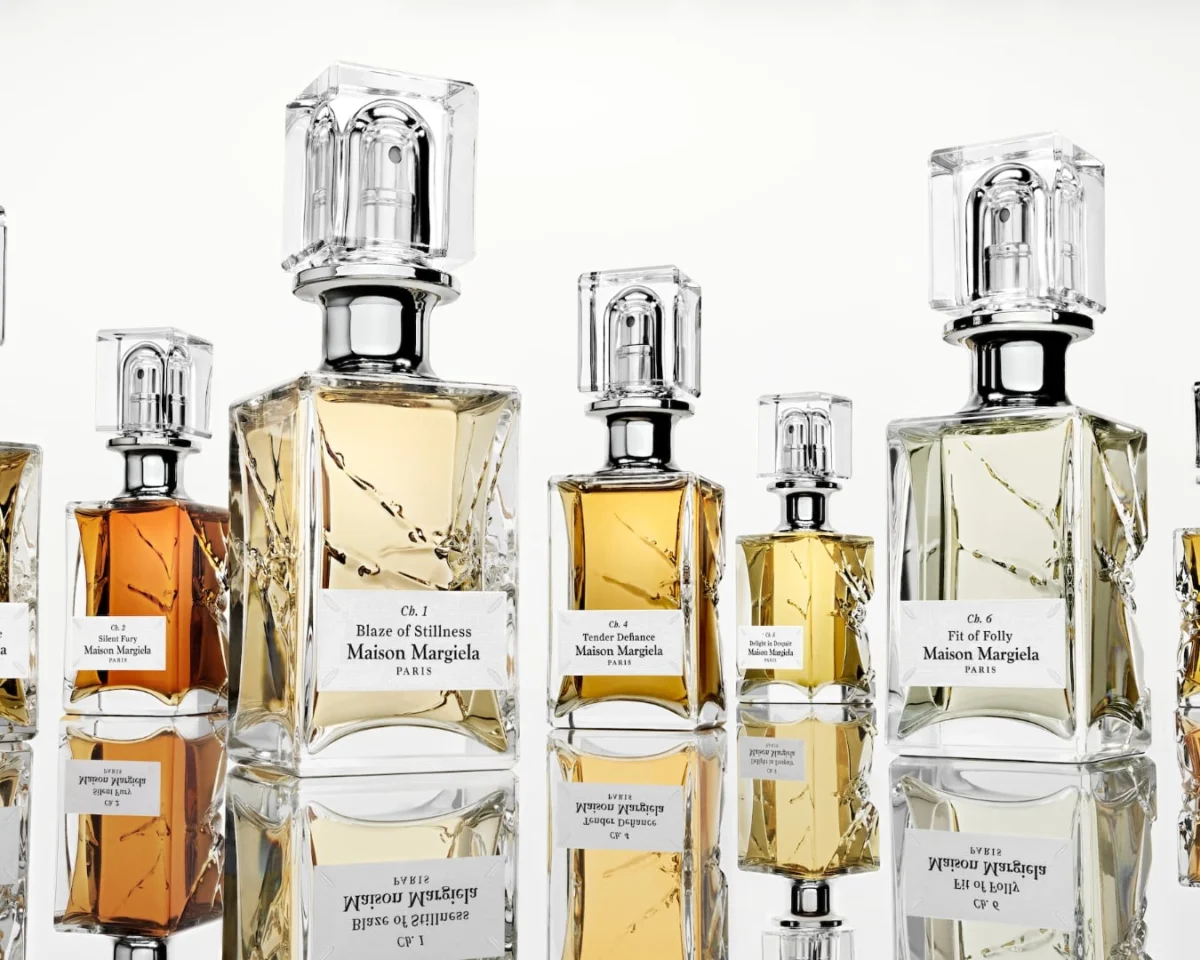
Maison Margiela, under license with L’Oréal, is making a significant strategic pivot in its fragrance division with the launch of its new "Scentsorium" collection. This ambitious initiative marks the iconic fashion house’s formal entry into the prestige fragrance market, a departure from its established "Replica" line which has historically catered to a more accessible, masstige segment. The move is a calculated response to an evolving consumer landscape, specifically targeting a burgeoning demographic of "scent connoisseurs" seeking more exclusive and artisanal olfactory experiences.
The Scentsorium collection, priced at $350 for a 75ml bottle, represents a deliberate effort to capture a higher echelon of the fragrance market. This positions Maison Margiela in direct competition with established luxury perfume houses, signaling a bold step towards redefining its presence in the beauty sector. The decision to diversify its fragrance portfolio underscores a broader trend within the fashion industry, where brands are increasingly recognizing the potent revenue streams and brand-building potential of elevated beauty offerings.
Strategic Rationale: Tapping into the Connoisseur Market
The fragrance industry has witnessed a notable shift in consumer behavior over the past decade. While mass-market fragrances continue to hold significant appeal, there has been a concurrent and growing demand for niche, artisanal, and high-quality scents. This "haute perfumery" segment is characterized by consumers who are not only seeking unique and complex fragrances but are also willing to invest more for exclusivity, craftsmanship, and storytelling. These connoisseurs often possess a deeper understanding of perfumery ingredients, extraction methods, and the artistic intent behind a scent.
Maison Margiela’s Replica line, which draws inspiration from iconic memories and moments, has successfully cultivated a loyal following by offering accessible yet evocative fragrances. However, the "Scentsorium" collection aims to cater to a different, more discerning palate. By introducing this new tier, the brand seeks to leverage its established reputation for conceptual design and artistic expression and translate it into the realm of haute perfumery. This strategy allows Maison Margiela to engage with consumers at multiple price points and with varying levels of olfactory engagement, thereby broadening its market reach and deepening customer loyalty.
The move is also supported by market data indicating robust growth in the luxury fragrance sector. According to reports from Grand View Research, the global fine fragrance market was valued at approximately USD 34.5 billion in 2022 and is projected to expand at a compound annual growth rate (CAGR) of over 5% from 2023 to 2030. This growth is fueled by increasing consumer disposable income, a rising interest in personalized beauty products, and the influence of social media platforms that often highlight luxury and artisanal brands. By entering this high-growth segment, Maison Margiela is positioning itself to capitalize on these favorable market dynamics.
Evolution of Maison Margiela Fragrances: A Chronology
Maison Margiela’s journey into the fragrance world has been marked by a gradual yet impactful expansion. The brand’s foray into fragrance began with the introduction of its "Replica" collection.
- 2010s: The launch of the Replica line, inspired by familiar scents and experiences from around the world. This collection, known for its evocative names and minimalist packaging, quickly gained traction, offering consumers a unique way to connect with olfactory memories.
- Mid-2010s Onwards: The Replica line experienced significant commercial success, establishing Maison Margiela as a notable player in the accessible luxury fragrance market. This success provided a solid foundation and consumer base for further expansion.
- Late 2010s – Early 2020s: L’Oréal, a global beauty conglomerate, acquired the license for Maison Margiela fragrances, a move that often signals an intent to scale and elevate the brand’s presence in the beauty sector. Under L’Oréal’s stewardship, there has been a strategic focus on innovation and market penetration.
- Present Day (2026): The introduction of the "Scentsorium" collection marks a significant departure, targeting the prestige segment. This launch represents the culmination of years of brand development and market analysis, aiming to capture a more exclusive and affluent consumer base.
This chronological progression highlights a deliberate and phased approach to building the Maison Margiela fragrance empire, moving from a foundational, accessible line to a sophisticated, high-end offering.
The "Scentsorium" Collection: A Deeper Dive
The "Scentsorium" collection is not merely an extension of the Replica line; it is conceived as an entirely distinct olfactory universe. The pricing, at $350 for 75ml, places it firmly in the luxury category, comparable to offerings from established houses like Chanel, Dior, and Tom Ford’s Private Blend. This price point reflects the anticipated use of higher concentrations of rare and precious ingredients, more complex fragrance compositions, and potentially more elaborate packaging and bottle design.
While specific details regarding the individual fragrances within the Scentsorium collection are still emerging, the concept of "haute perfumery" suggests a focus on:
- Artisanal Craftsmanship: Emphasizing traditional perfumery techniques and the meticulous blending of high-quality raw materials.
- Unique Ingredient Sourcing: Potentially featuring rare botanicals, ethically sourced precious materials, and novel synthetic compounds designed for distinct olfactory profiles.
- Complex and Evolving Scents: Fragrances designed to unfold over time on the skin, revealing multiple layers and nuances, offering a more sophisticated and long-lasting olfactory journey.
- Limited Editions and Exclusivity: The "connoisseur" market often values rarity and limited availability, suggesting that the Scentsorium collection may incorporate elements of exclusivity to further enhance its appeal.
The marketing and distribution strategy for Scentsorium will likely differ significantly from that of Replica. While Replica is widely available through various retail channels, Scentsorium is expected to be distributed through select high-end department stores, luxury perfumeries, and potentially Maison Margiela’s own flagship boutiques, creating an environment that reinforces its prestige positioning.
L’Oréal’s Role and Broader Industry Implications
L’Oréal’s involvement as the licensing partner for Maison Margiela fragrances is a critical factor in the success of this strategic shift. L’Oréal possesses extensive expertise in fragrance development, manufacturing, global distribution, and marketing within the luxury beauty sector. Their resources and market intelligence will be instrumental in navigating the complexities of the prestige fragrance market.
The launch of Scentsorium by Maison Margiela is indicative of several broader trends and implications for the fashion and beauty industries:
- The Rise of the "Beauty House": Fashion houses are increasingly leveraging their brand equity to build comprehensive beauty empires. The success of brands like Chanel and Dior in both fashion and fragrance serves as a compelling model.
- Segmentation of the Fragrance Market: The industry is becoming increasingly segmented, with distinct categories catering to different consumer needs and price points. Brands are finding success by offering diverse portfolios that address these varied demands.
- The Growing Importance of Experiential Retail: For luxury goods, the retail experience is paramount. The Scentsorium collection will likely be launched and promoted in environments that offer a high-touch, personalized experience, aligning with the expectations of discerning consumers.
- Data-Driven Product Development: The beauty industry, including fragrance, is increasingly reliant on data analytics to understand consumer preferences, market trends, and product performance. L’Oréal’s data capabilities will likely play a key role in refining the Scentsorium offering and future developments.
- Brand Storytelling and Authenticity: In the luxury space, consumers are drawn to brands that can effectively communicate a compelling narrative and demonstrate authenticity in their craftsmanship and heritage. Maison Margiela’s avant-garde fashion legacy provides a rich narrative to draw upon for its fragrance endeavors.
The successful execution of the Scentsorium strategy could have significant implications for Maison Margiela’s overall brand valuation and its competitive standing within the global luxury market. By successfully bridging the gap between its fashion heritage and the sophisticated world of haute perfumery, the brand aims to solidify its position as a multifaceted luxury icon. This move signifies a commitment to innovation and a keen understanding of the evolving desires of the modern luxury consumer, who seeks not just products, but experiences, artistry, and a profound connection to the brands they choose to adorn themselves with. The "Scentsorium" is not just a collection of perfumes; it is an embodiment of Maison Margiela’s artistic vision translated into an olfactory language, poised to captivate a new generation of fragrance aficionados.