Nila Kartika Wati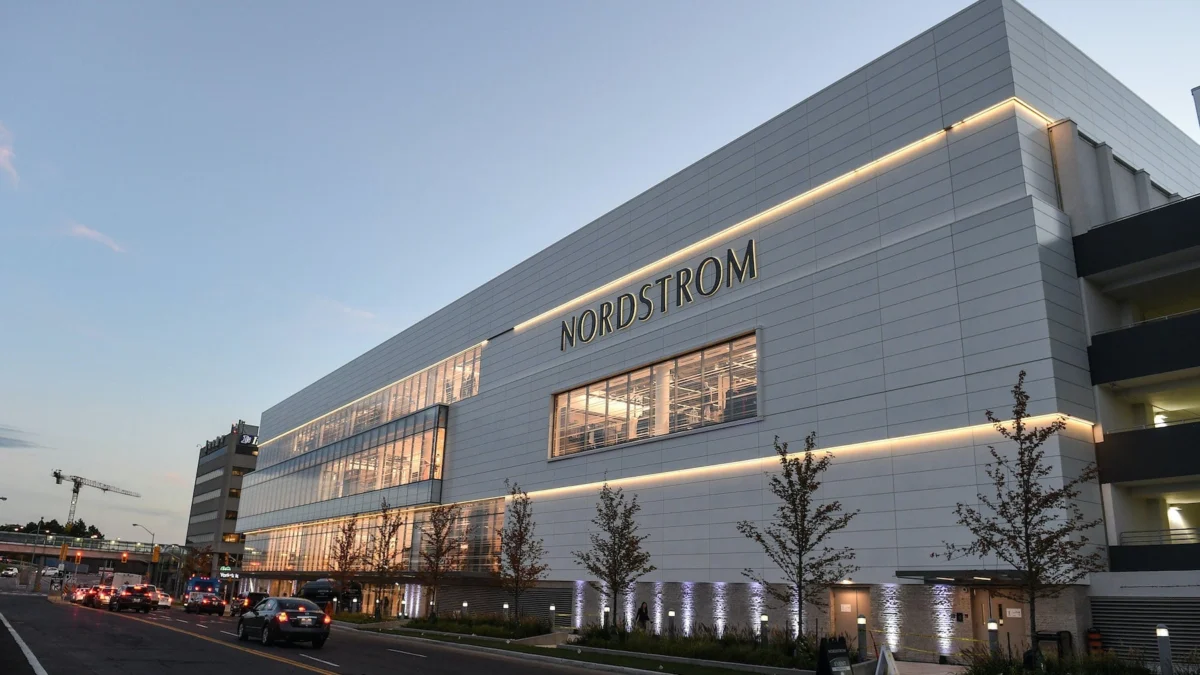
The venerable American department store chain, Nordstrom, has officially transitioned to new ownership, concluding a significant all-cash transaction valued at approximately $6.25 billion. The deal, finalized in May, sees the Nordstrom family, deeply intertwined with the company’s legacy, joining forces with the prominent Mexican department-store operator, El Puerto de Liverpool SAB. This landmark acquisition marks a pivotal moment for the 123-year-old retail institution, ushering in a new chapter under a combined leadership structure.
The transaction, which was initially announced and subsequently approved by shareholders, signifies a return to private ownership for Nordstrom after decades as a publicly traded entity. The all-cash nature of the deal provided certainty for stakeholders, effectively removing the complexities often associated with stock-based transactions. For El Puerto de Liverpool, this acquisition represents a substantial expansion into the United States market, leveraging Nordstrom’s established brand recognition and extensive retail footprint.
A Legacy of Retail Excellence and a New Era of Partnership
Nordstrom, founded in 1901 by John W. Nordstrom and Carl F. Wallin as a shoe store in Seattle, has long been synonymous with exceptional customer service, a curated selection of high-quality merchandise, and a commitment to innovation within the retail sector. Over the decades, it evolved into a national powerhouse, operating full-line department stores, Nordstrom Rack off-price outlets, and a robust e-commerce platform. The company’s consistent focus on customer experience, often cited as a key differentiator, has cultivated a loyal customer base.
The partnership with El Puerto de Liverpool, a retail giant in Mexico with a history dating back to 1847, brings a wealth of experience in operating diverse retail formats across a large and dynamic market. El Puerto de Liverpool is known for its extensive portfolio, which includes department stores, hypermarkets, and specialty stores, catering to a broad spectrum of consumers. This strategic alliance is expected to unlock synergies, potentially leading to enhanced operational efficiencies and expanded market reach for both entities.
The Road to Acquisition: A Detailed Chronology
The journey to this significant acquisition involved several key stages, reflecting a carefully orchestrated process.
- Early Speculation and Initial Interest: Rumors and exploratory discussions regarding a potential sale or strategic partnership for Nordstrom began to surface in the latter half of the previous year. The company, like many in the retail industry, had faced evolving consumer behaviors and increased competition, prompting a review of its long-term strategic options.
- Formal Announcement of the Deal: In a joint announcement, Nordstrom and El Puerto de Liverpool confirmed their agreement in principle for an all-cash acquisition. This initial announcement detailed the proposed valuation of approximately $6.25 billion, signaling the commencement of the formal due diligence and regulatory approval processes.
- Shareholder Approval: A crucial step in the acquisition process involved securing the approval of Nordstrom’s shareholders. The company convened a special meeting where the transaction was presented and subsequently ratified by a majority of its investors, underscoring their confidence in the strategic rationale and financial terms of the deal.
- Regulatory Review and Approvals: The acquisition also required clearance from relevant antitrust and regulatory bodies in both the United States and Mexico. These reviews are standard for transactions of this magnitude and are designed to ensure fair competition and market integrity.
- Closing of the Transaction: Following the satisfaction of all conditions, including regulatory approvals and shareholder consent, the deal was officially closed in May. This marked the official transfer of ownership and the beginning of the integration process.
Financial Landscape and Supporting Data
The $6.25 billion valuation reflects a significant investment, underscoring the perceived value of Nordstrom’s brand, customer base, and operational infrastructure. For context, Nordstrom reported net sales of approximately $15.8 billion for its fiscal year ending February 3, 2024. This figure highlights the scale of the business being acquired.
The all-cash transaction structure provides a clear financial exit for public shareholders and simplifies the integration for the acquiring parties. The financing for the acquisition was reportedly secured through a combination of debt and equity, reflecting the substantial capital required for such a deal. El Puerto de Liverpool’s financial strength and experience in managing large-scale retail operations were critical in facilitating this transaction.
Inferred Reactions and Strategic Motivations
While specific official statements from all parties involved beyond the initial announcements are limited due to the nature of private transactions, the strategic motivations can be inferred.
- For the Nordstrom Family: The decision to sell the company, while retaining a significant role, likely stems from a desire to ensure the long-term vitality and growth of the Nordstrom brand in a rapidly changing retail landscape. Partnering with a financially robust and experienced operator like El Puerto de Liverpool offers the potential for strategic investments and operational enhancements that might be more challenging as a standalone public company. The family’s continued involvement suggests a commitment to preserving the company’s core values and legacy.
- For El Puerto de Liverpool: This acquisition represents a bold strategic move into the competitive U.S. market. It provides immediate access to a well-established retail brand with a strong customer following and a significant physical and digital presence. The synergy between Nordstrom’s premium positioning and El Puerto de Liverpool’s broad market appeal could create a powerful combined entity, capable of competing more effectively across various consumer segments. Furthermore, it offers opportunities for cross-border learnings and potential expansion of both brands into new territories.
- For Nordstrom Employees and Customers: The transition to new ownership often brings a period of adjustment. However, the continued involvement of the Nordstrom family, coupled with El Puerto de Liverpool’s established reputation for operational excellence, suggests a focus on continuity and potential enhancement of the customer experience. Employees can anticipate potential integration of best practices and operational efficiencies, while customers can expect the continuation of the Nordstrom experience, potentially with new offerings and expanded reach over time.
Broader Impact and Future Implications
The acquisition of Nordstrom by the Nordstrom family and El Puerto de Liverpool carries several broader implications for the retail industry and beyond.
- Consolidation in Retail: This deal is indicative of ongoing consolidation trends within the retail sector, where larger, well-capitalized entities are acquiring established brands to gain market share and diversify their offerings. The challenges faced by traditional brick-and-mortar retailers in the digital age have made strategic partnerships and acquisitions increasingly attractive.
- Cross-Border Retail Dynamics: The acquisition highlights the growing importance of cross-border investments and the increasing interconnectedness of global retail markets. El Puerto de Liverpool’s successful entry into the U.S. market through this acquisition could pave the way for other international retailers to pursue similar strategies.
- The Future of Department Stores: The success of this partnership will be closely watched as a potential model for the future of the department store format. By combining the strengths of a premium American brand with the operational expertise of a large international retailer, the new ownership aims to revitalize the Nordstrom brand and ensure its continued relevance in the evolving retail landscape. The integration of digital and physical retail strategies, customer-centric approaches, and efficient supply chain management will be critical for their long-term success.
- Potential for Innovation: With the combined resources and expertise of the Nordstrom family and El Puerto de Liverpool, there is significant potential for innovation in areas such as personalized shopping experiences, loyalty programs, and the integration of sustainability initiatives into their business operations. The ability to leverage data analytics and emerging technologies will be paramount in adapting to changing consumer preferences and maintaining a competitive edge.
In conclusion, the acquisition of Nordstrom by the Nordstrom family and El Puerto de Liverpool represents a significant development in the retail sector. It is a testament to the enduring value of established brands and the strategic imperative for adaptation and growth in a dynamic global market. The success of this new chapter will hinge on the effective integration of operations, a continued commitment to customer excellence, and a forward-looking approach to retail innovation.