
 Johny Marice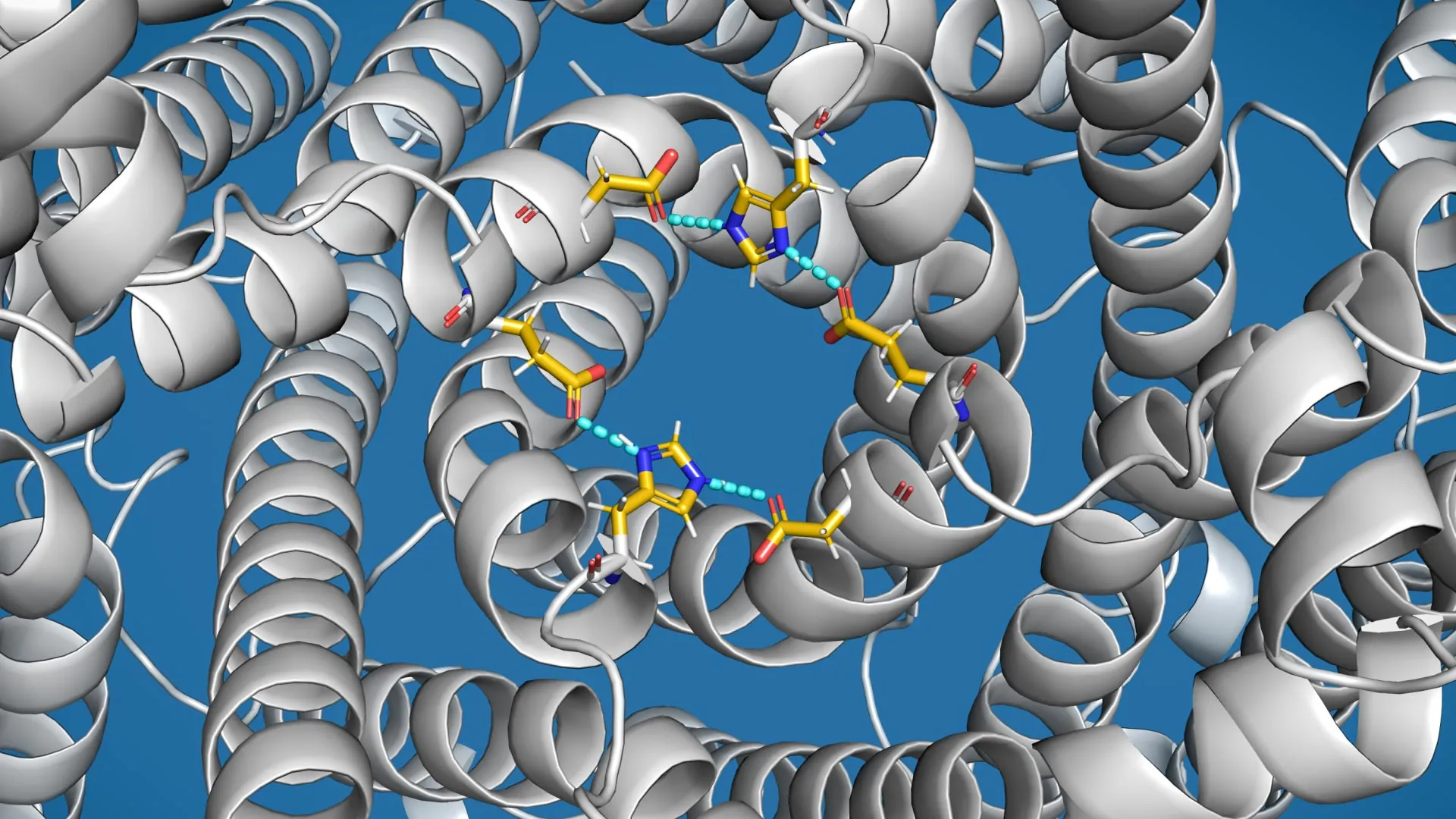
Researchers have uncovered how a mysterious ion channel helps cells break down waste, opening new possibilities for treating Parkinson’s disease. This groundbreaking discovery, stemming from a multi-institutional collaboration, sheds light on a fundamental cellular mechanism previously shrouded in scientific debate and offers a beacon of hope for combating neurodegenerative disorders.
The intricate world of cellular maintenance, often unseen and underappreciated, has just become significantly clearer. Scientists from the University of Applied Sciences Bonn-Rhein-Sieg (H-BRS), Ludwig Maximilian University of Munich (LMU Munich), Technical University of Darmstadt (TU Darmstadt), and Nanion Technologies have jointly published seminal findings in the prestigious journal PNAS (Proceedings of the National Academy of Sciences). Their work meticulously decodes the long-enigmatic function of the ion channel known as TMEM175, revealing its critical role as a cellular safeguard, akin to an overflow drain in a household plumbing system. This channel, they propose, acts as a crucial regulator within lysosomes, preventing their internal environment from becoming excessively acidic, a condition that can have dire consequences for cellular health.
The Lysosome: A Cell’s Recycling Center Under pH Scrutiny
Lysosomes are indispensable organelles within eukaryotic cells, serving as the primary sites for the degradation of cellular waste, damaged components, and internalized foreign material. These membrane-bound sacs are veritable recycling centers, equipped with a potent cocktail of hydrolytic enzymes that efficiently break down complex macromolecules into their constituent building blocks. These reusable components are then released back into the cytoplasm to be utilized by the cell for energy production or synthesis.
The efficacy of lysosomal function is intrinsically linked to its internal environment, which must be maintained at a highly acidic pH. This acidity is crucial for the optimal activity of the lysosomal enzymes. The creation and maintenance of this acidic milieu are orchestrated by a sophisticated interplay of proteins embedded within the lysosomal membrane. Foremost among these is a proton pump, which actively transports hydrogen ions (H+) into the lysosome, thereby lowering the pH. However, the process of acidification is not a simple unidirectional flow; it requires delicate regulation to prevent the lysosome from becoming too acidic, a state that could potentially damage the lysosome itself and the surrounding cellular machinery.
This delicate balance is where TMEM175 emerges as a pivotal player. The research team’s findings strongly suggest that TMEM175 acts as a crucial fine-tuning mechanism, modulating the proton concentration within the lysosome. In healthy cells, this channel is believed to ensure that the pH remains within the optimal range for efficient waste breakdown. Conversely, when genetic mutations or other factors compromise the integrity or function of TMEM175, the lysosome’s pH regulation falters. This disruption in pH homeostasis can lead to a cascade of detrimental effects, including the impaired degradation of proteins. Accumulation of undegraded proteins, particularly misfolded or aggregated ones, is a hallmark of many neurodegenerative diseases, including Parkinson’s disease, and is often associated with neuronal cell death.
Decades of Mystery: The Elusive TMEM175
The journey to understand TMEM175 has been a protracted one, marked by scientific curiosity and persistent investigation. For many years, the precise location and function of this transmembrane protein remained a significant enigma within cell biology. Its designation, TMEM175, simply denoting its transmembrane nature and numerical identifier, reflected the limited knowledge surrounding its biological role. However, as research into the cellular underpinnings of neurodegenerative disorders gained momentum, an increasing body of evidence began to link dysfunctions in lysosomal pathways to conditions like Parkinson’s disease, prompting a renewed focus on proteins residing within the lysosomal membrane.
Early hypotheses about TMEM175’s function were varied and often contradictory. While its presence in the lysosomal membrane was eventually confirmed, the exact nature of the ions it transported and its specific contribution to cellular processes remained subjects of intense debate. Some studies suggested it primarily facilitated the passage of potassium ions (K+), a critical cation involved in numerous cellular functions, including membrane potential regulation. Others posited a role in proton transport, aligning with the known importance of pH regulation in lysosomes. The lack of a definitive understanding hampered efforts to explore its potential therapeutic implications.
A Chronology of Discovery: From Uncertainty to Clarity
The path to unlocking TMEM175’s secrets involved years of dedicated research and technological advancement. The collaboration, spearheaded by Professor Christian Grimm from LMU Munich and Dr. Oliver Rauh from H-BRS, represents a culmination of these efforts.
- Early Years (Pre-2010s): TMEM175 identified as a transmembrane protein with an unknown function. Its association with lysosomes gradually established.
- Growing Interest (2010s): Emerging links between lysosomal dysfunction and neurodegenerative diseases, including Parkinson’s, heightened interest in TMEM175. Initial research began to investigate its ion transport properties, with conflicting results regarding potassium versus proton permeability.
- The CytoTransport Collaboration (Circa 2017 onwards): Dr. Oliver Rauh, then at TU Darmstadt and now leading research at H-BRS within the CytoTransport collaboration, embarked on a dedicated project to elucidate TMEM175’s function. This period saw extensive experimental work, leveraging advanced techniques.
- Key Experimental Breakthroughs (2020s): The use of sophisticated electrophysiological methods, particularly the patch-clamp technique, proved instrumental. These experiments allowed researchers to precisely measure the electrical currents flowing through individual ion channels under controlled conditions, providing direct evidence of TMEM175’s activity.
- Publication in PNAS (Present): The collaborative efforts culminate in the publication of their findings in PNAS, formally detailing TMEM175’s dual role in transporting both potassium and protons and its critical function in lysosomal pH regulation.
Dr. Oliver Rauh himself describes the challenging yet rewarding nature of this research: "I’ve worked on many ion channels, and TMEM175 is by far the strangest of them all," he stated. "When we started on the project around six years ago, it was assumed that TMEM175 was a potassium channel. Its function was completely unknown." This sentiment underscores the significant paradigm shift brought about by the current study.
Unveiling the Dual Transport Mechanism: Potassium and Protons
The critical breakthrough in the PNAS study lies in its definitive demonstration that TMEM175 is not exclusively a potassium channel, nor solely a proton channel, but rather exhibits a dual transport capability. This finding significantly expands our understanding of its regulatory role within the lysosome.
The research team employed the "patch clamp" technique, a gold standard in ion channel research, to meticulously analyze the electrical activity of TMEM175. This method involves isolating a small patch of cell membrane containing the ion channel and then applying controlled voltage or current stimuli to measure the resulting ion flow. Professor Christian Grimm, an expert in these electrophysiological techniques, explained the significance of their approach: "Most of the experiments were conducted using the patch clamp method." This allowed them to observe how TMEM175 behaved under varying conditions, particularly in response to changes in the lysosomal environment.
Their detailed experiments revealed that TMEM175 possesses a remarkable sensitivity to the surrounding pH. It acts as a sophisticated pH sensor, detecting when the proton concentration within the lysosome reaches a critical threshold. Upon sensing this change, the channel dynamically adjusts the flow of protons, effectively acting as a gatekeeper to prevent excessive acidification. Simultaneously, it continues to allow the passage of potassium ions, which are essential for maintaining the overall electrochemical balance across the lysosomal membrane.
"We’ve now been able to demonstrate that TMEM175 not only conducts potassium ions, but also protons, and is thus directly involved in the regulation of pH — that is, the proton concentration — in the interior of lysosomes," Dr. Rauh elaborated, highlighting the dual nature of the channel’s activity. This dual function is key to its role as a sophisticated cellular regulator, ensuring both efficient waste degradation and the preservation of lysosomal integrity.
Implications for Parkinson’s Disease and Beyond
The implications of this research are far-reaching, particularly in the context of neurodegenerative diseases. Parkinson’s disease is characterized by the progressive loss of dopaminergic neurons in the substantia nigra, a region of the brain crucial for motor control. A significant pathological hallmark of Parkinson’s is the accumulation of aggregated alpha-synuclein proteins within neurons, forming Lewy bodies. While the exact causes of this aggregation are complex, impaired lysosomal function and the subsequent failure to clear cellular waste are widely recognized as contributing factors.
The findings regarding TMEM175 provide a concrete molecular link between lysosomal pH dysregulation and the pathogenesis of Parkinson’s disease. If mutations in TMEM175 lead to impaired proton transport and subsequent aberrant lysosomal acidity, this could directly contribute to the accumulation of toxic protein aggregates, ultimately triggering neuronal death.
"Our study establishes that the ion channel TMEM175 plays a decisive role here," stated Dr. Oliver Rauh, emphasizing the direct relevance of their findings to neurodegeneration. The authors of the study collectively expressed optimism about the future applications of their work. "Our findings create an important foundation for a better understanding of functional processes in lysosomes and the function of the TMEM175 channel, which was contested before now," they concluded. "At the same time, our insights into the protein TMEM175 offer a promising target structure for the development of drugs to treat or prevent neurodegenerative diseases like Parkinson’s."
This opens up exciting avenues for therapeutic intervention. By developing drugs that can modulate TMEM175 activity – either by enhancing its function in cases of deficiency or by correcting aberrant activity – it may be possible to restore lysosomal pH homeostasis, improve waste clearance, and ultimately slow or even halt the progression of Parkinson’s disease and potentially other lysosome-related neurodegenerative disorders.
Broader Impact and Future Directions
Beyond Parkinson’s disease, the discovery of TMEM175’s function has broader implications for understanding cellular health and aging. Lysosomal dysfunction is implicated in a wide spectrum of age-related conditions and other diseases, including Alzheimer’s disease, Huntington’s disease, and certain lysosomal storage disorders. The precise regulatory role of TMEM175 in maintaining lysosomal integrity could therefore be relevant to a much wider array of human pathologies.
Future research will likely focus on several key areas:
- Detailed Mechanistic Studies: Further investigation into the precise molecular mechanisms by which TMEM175 senses pH and regulates ion flow is warranted. Understanding the structural basis of its interaction with protons and potassium ions could pave the way for highly specific drug design.
- Genetic Studies: Comprehensive analysis of TMEM175 genetic variations in human populations could reveal specific mutations associated with increased risk for neurodegenerative diseases. This would further solidify its role as a disease-associated gene.
- Drug Development: The identification of TMEM175 as a "promising target structure" will undoubtedly spur efforts to develop small molecules or other therapeutic agents that can specifically interact with and modulate the channel’s activity. This will involve extensive screening and preclinical testing.
- Exploration in Other Diseases: Research should extend to investigate TMEM175’s role in other lysosome-related disorders and aging processes to fully appreciate its pervasive impact on cellular health.
The journey from identifying a mysterious protein to understanding its intricate role in cellular waste management and its implications for devastating diseases is a testament to the power of scientific inquiry and collaboration. The work of Professor Grimm, Dr. Rauh, and their colleagues represents a significant leap forward, offering not only a deeper understanding of fundamental cellular biology but also a tangible glimmer of hope for millions affected by neurodegenerative conditions. The enigmatic TMEM175, once a puzzle, now stands as a critical piece in the complex mosaic of cellular health and disease.








