Danny Garick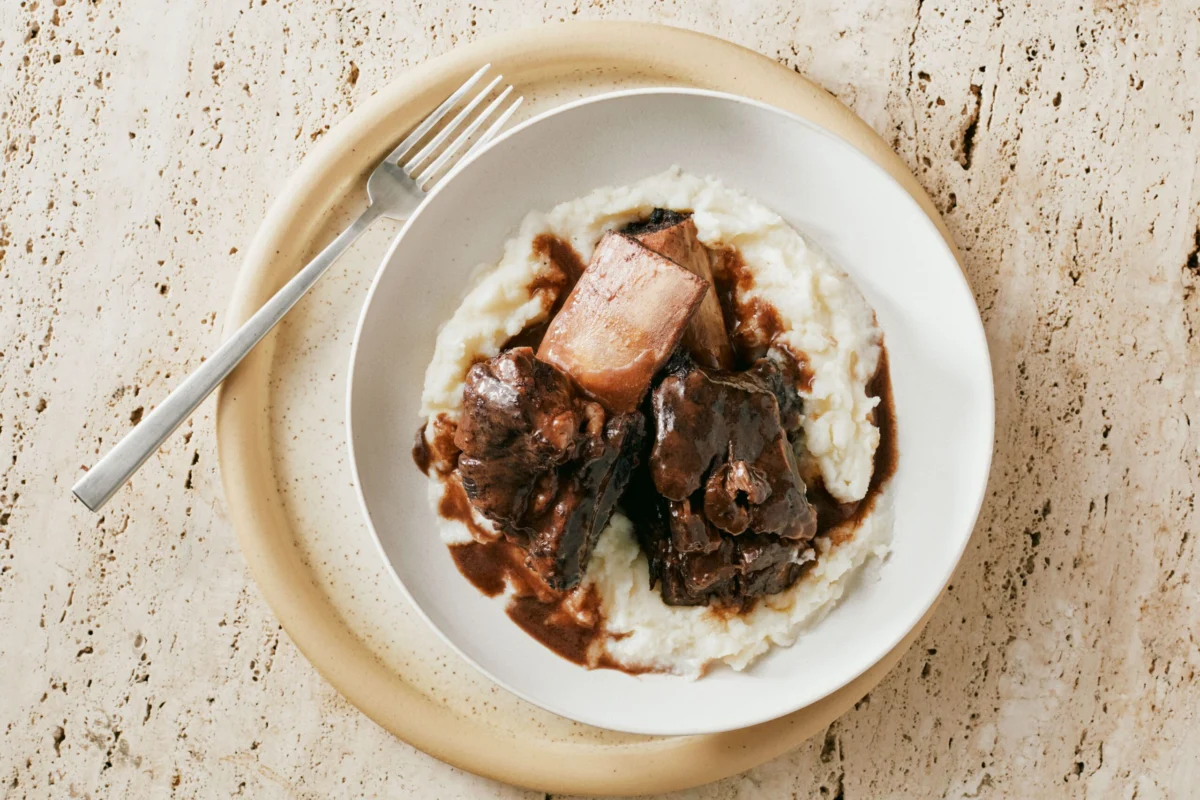
The red-wine-braised short rib has transitioned from a humble, utilitarian dish of European agrarian history to a cornerstone of modern fine dining and a gold standard for home-based entertaining. Celebrated for its deep savory profile and reliable preparation method, this specific recipe has garnered a dedicated following among culinary enthusiasts, often described as a "go-to" dish that consistently delivers "fall-off-the-bone" results. The enduring appeal of this preparation lies in its synthesis of simple ingredients—bone-in beef, aromatics, and dry red wine—into a complex, high-impact main course that bridges the gap between rustic comfort food and restaurant-quality elegance.
The Anatomy of the Braise: Historical and Technical Context
Braising is a combination cooking method that utilizes both wet and dry heats. Historically, this technique was developed to tenderize tougher, less expensive cuts of meat that were high in connective tissue. The short rib, specifically the serratus ventralis muscle, is ideally suited for this process. Unlike tenderloin or ribeye, which are best suited for quick, high-heat applications, the short rib contains a significant amount of collagen. When subjected to the low, slow, and moist heat of a braise, this collagen undergoes a chemical transformation into gelatin, providing the meat with its characteristic "melting" texture and creating a rich, viscous sauce.
In the late 19th and early 20th centuries, the codification of French cuisine by figures such as Auguste Escoffier elevated the braise into a sophisticated art form. The modern iteration of red-wine-braised short ribs reflects these classical foundations, emphasizing the importance of the "mirepoix"—the foundational blend of onions, carrots, and celery—and the "fond," the caramelized browned bits left in the pan after searing the meat.
The Scientific Methodology of Flavor Development
The success of the red-wine-braised short rib is rooted in a layered approach to flavor construction. This process begins with the Maillard reaction, a chemical reaction between amino acids and reducing sugars that occurs when meat is seared at high temperatures. By browning the bone-in ribs before the liquid is added, the cook creates a complex base of savory compounds that define the final profile of the dish.
Following the sear, the introduction of aromatics and tomato paste provides further depth. The tomato paste, when cooked down until it darkens, adds an "umami" punch and natural acidity that balances the richness of the beef fat. The choice of braising liquid is equally critical. A dry, full-bodied red wine serves multiple purposes: its acidity helps break down muscle fibers, its tannins provide structure to the sauce, and its alcohol acts as a solvent, extracting flavor molecules from the vegetables and herbs that water alone could not.
Culinary experts note that the straining of the vegetables is what separates a "rustic" home stew from a "restaurant-style" dish. By removing the spent aromatics and reducing the liquid, the cook produces a silky, glossy gravy—technically a jus lié or a reduced braising liquid—that coats the meat without the need for additional thickeners like flour or cornstarch.
Chronology of the Perfect Braise
To achieve the desired results, a specific timeline must be followed, typically spanning three to four hours of active and passive cooking time.
- Preparation and Searing (0–30 Minutes): The meat is seasoned aggressively with salt and seared in a heavy-bottomed vessel, such as a Dutch oven. This stage is crucial for developing the "fond."
- Aromatic Base (30–45 Minutes): The meat is removed, and the mirepoix is sautéed in the rendered beef fat. Tomato paste is added and caramelized.
- Deglazing and Submerging (45–60 Minutes): The wine is used to deglaze the pan, scraping up the browned bits. The ribs are returned to the pot and submerged approximately two-thirds of the way in the liquid.
- The Slow Braise (1 Hour–3 Hours): The vessel is covered and placed in a low-temperature oven (typically 300°F to 325°F). During this period, the collagen-to-gelatin conversion occurs.
- Refinement (Post-Braise): The meat is removed, and the sauce is strained and reduced. This stage ensures the "silky" texture highlighted by proponents of the recipe.
Economic and Market Trends: The Rise of the Short Rib
The popularity of short ribs has had a measurable impact on the beef industry and consumer pricing. Once considered a "secondary cut" or a "throwaway" piece used primarily for ground beef or stock, the short rib has seen a significant price increase over the last two decades. According to agricultural market data, the wholesale price of beef short ribs has risen steadily as demand from both high-end steakhouses and home cooks has surged.
This shift is attributed to the "nose-to-tail" eating movement and a growing consumer interest in "slow food" and traditional cooking methods. As home cooks have become more adventurous and equipped with professional-grade cookware, dishes like braised short ribs have moved from the "special occasion" category into the "reliable weekend staple" category.
Strategic Selection: The Role of Viticulture in Cooking
The FAQ section of the recipe emphasizes a critical point in the braising process: the selection of wine. While traditional wisdom often suggested using "cooking wine," modern culinary standards dictate that one should only cook with wine they would be willing to drink.
- Cabernet Sauvignon: Provides a heavy tannic structure that stands up well to the high fat content of the ribs.
- Pinot Noir: Offers a softer, fruitier profile that results in a more delicate sauce.
- Rhône-style Reds (Syrah/Grenache): Contribute spicy, peppery notes that complement the savory aromatics of the mirepoix.
The integration of a full bottle of wine into the braise is not merely for flavor; the volume of liquid ensures that the meat remains moist throughout the long cooking process. Furthermore, the practice of pairing the dinner with the same variety of wine used in the pot creates a cohesive gastronomic experience, a technique frequently employed by sommeliers and chefs to harmonize a meal.
Expert Analysis of the "Make-Ahead" Phenomenon
One of the most frequently cited benefits of red-wine-braised short ribs is their improved flavor profile upon reheating. This is not a culinary myth but a result of chemical stabilization. As the dish cools, the flavors of the wine, beef, and aromatics continue to meld and penetrate the meat.
From a logistical standpoint, making the dish a day in advance allows the fat to solidify at the top of the container, making it easy to "skim" and discard. This results in a cleaner, more refined sauce that lacks the greasiness often associated with heavy beef dishes. For the host of a dinner party, this "low-stress, high-impact" nature makes it a strategic choice, shifting the labor-intensive portion of the meal to the day before the event.
Broad Implications for Contemporary Home Cooking
The success of this recipe reflects a broader trend in the digital age of recipe sharing: the search for "fail-proof" luxury. In an era where home cooks are inundated with content, recipes that prioritize "reliable methods" and "meltingly tender" results gain viral status. The short rib represents a manageable challenge—it requires patience rather than high-level knife skills or specialized equipment beyond a heavy pot and an oven.
Furthermore, the versatility of the dish allows it to adapt to various cultural contexts. While the red wine braise is quintessentially French, the serving suggestions—mashed potatoes, polenta, risotto, or egg noodles—demonstrate its ability to anchor a variety of culinary traditions. Each starch serves as a vehicle for the "rich, glossy sauce," ensuring that no part of the labor-intensive braising liquid is wasted.
Conclusion: The Future of the Braise
As the culinary landscape continues to evolve toward a mix of high-tech convenience and traditional techniques, the red-wine-braised short rib remains a resilient favorite. It stands as a testament to the power of slow cooking in an increasingly fast-paced world. For the home cook, it offers a sense of mastery over the elements of heat, time, and chemistry, resulting in a dish that, as many commenters have noted, "never fails." Whether served in a Michelin-starred restaurant or at a family kitchen table, the dish remains a definitive example of how basic ingredients, when treated with technical precision, can be transformed into something extraordinary.