Kang Muslim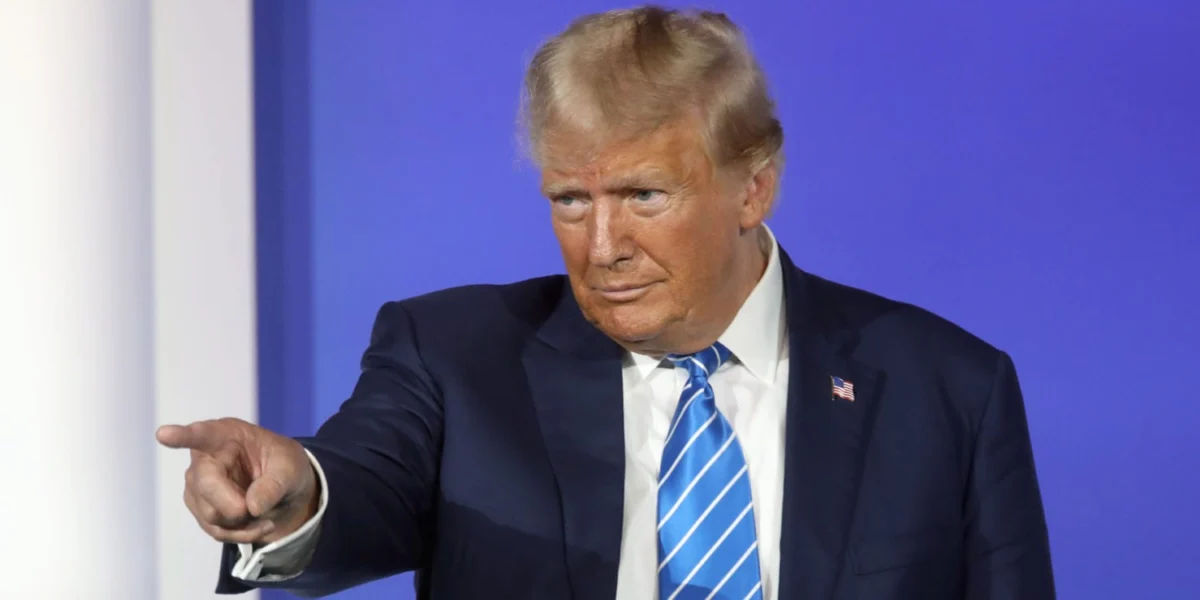
The Psychological Intersection of Policy and Well-Being
The fundamental premise of the research rests on the observation that politics is not merely a background element of civic life but a primary driver of resource distribution, personal rights, and social hierarchy. When a government implements sweeping changes, the resulting shifts in the socio-political environment can create a sense of either profound security or acute threat. The study arrived during the early months of President Donald Trump’s second term, a period characterized by rapid-fire executive orders and a departure from established administrative norms. This environment provided a unique "natural laboratory" for psychologists to study the effects of what some scholars term "democratic backsliding"—the process by which democratic institutions or norms are perceived to be weakened.
According to Deborah Wu, an assistant professor of psychology and head of the Identity Development, Emotions, and Attitudes (IDEA) Lab at Arizona State University, the motivation for the study was rooted in the increasing polarization of the American public. While historical data has frequently shown that conservatives or Republicans tend to report higher baseline levels of well-being than their liberal or Democratic counterparts, the researchers wanted to understand the longitudinal dynamics of this phenomenon. Specifically, they aimed to determine if well-being fluctuates in direct response to specific governmental actions and whether the "person-environment fit" of living under a preferred administration provides a quantifiable psychological buffer.
Theoretical Framework: Why Alignment Affects the Mind
To interpret their findings, the research team utilized three core psychological theories. The first is "system justification theory," which posits that individuals possess an inherent motivation to defend and justify the status quo to maintain a sense of order and reduce existential dread. For those who support the current administration, every policy success reinforces the legitimacy of the system, thereby enhancing well-being.
The second framework, "motivated cognition," suggests that individuals process information in a way that protects their existing identities and beliefs. In a highly polarized environment, a Republican might view a new tariff as a victory for domestic labor, while a Democrat might view it as a catalyst for inflation. These differing interpretations lead to vastly different emotional outcomes.
Finally, the concept of "person-environment fit" suggests that human flourishing is maximized when an individual’s internal values are reflected in their external surroundings. When the government—the most powerful entity in one’s environment—acts in a way that contradicts an individual’s core morality, it creates a state of "mismatch" that can lead to chronic stress and diminished life satisfaction.
Chronology of the Study: Five Weeks of Political Volatility
The study was conducted over a five-week period from late February to late March 2025. This timeframe was strategically chosen to capture the immediate psychological aftermath of a new administration’s initial policy blitz. The researchers recruited a balanced sample of 601 American adults, consisting of 306 Democrats and 295 Republicans, with an average age of 42.
The methodology involved a longitudinal survey design. In the first week, participants established a baseline for their happiness and life satisfaction. From the second week onward, the researchers introduced a controlled variable: participants were asked to read and react to three current news stories regarding federal actions. These stories were not hypothetical; they covered high-stakes issues including:
- The imposition of international trade tariffs.
- Aggressive shifts in immigration enforcement and border policy.
- Significant funding reductions for federal scientific research.
- Legal challenges and court orders aimed at blocking administration policies.
Participants were required to rate their support for these actions on a standardized scale, while simultaneously reporting their weekly levels of happiness and life satisfaction on a scale of one to seven. By the end of the five-week period, 397 participants had completed all phases of the study, providing a robust dataset for analysis.
Divergent Emotional Trajectories: Republicans vs. Democrats
The data revealed a stark divergence in the emotional experiences of the two groups. Republicans entered the study with higher levels of well-being and maintained a consistent, upward trend throughout the five weeks. For these individuals, the rapid pace of policy change appeared to serve as a source of validation and psychological "nourishment." As the administration checked off items from its legislative and executive agenda, Republican participants reported feeling increasingly satisfied with their lives.
Conversely, Democrats experienced an initial "shock" period. During the first few weeks, their reported happiness and life satisfaction took a statistically significant dip. This decline mirrored the "alienation" described in the person-environment fit theory, as the political environment shifted away from Democratic values. However, the study’s most surprising finding occurred in the latter half of the month. Despite the continued rollout of policies they opposed, the well-being levels of Democratic participants began to rebound.
This phenomenon is attributed to "hedonic adaptation." As Wu explained, humans have a remarkable ability to return to a baseline level of happiness even after significant negative shifts in their environment. This suggests that while political opposition is taxing, the human psyche eventually develops coping mechanisms—such as seeking support within like-minded communities or mentally "tuning out" the news cycle—to mitigate the long-term impact on mental health.
Statistical Analysis and Policy Impact
When the researchers applied statistical models to account for demographic variables—such as age, race, gender, and socioeconomic status—the correlation between government support and happiness remained significant. The study found "medium-to-large" effects of political party affiliation on well-being, but it also found that "support for government actions" was an independent predictor of happiness.
This means that even within a specific party, those who felt most strongly aligned with the administration’s specific actions were the happiest. Conversely, a Republican who might have disagreed with a specific scientific funding cut would see a slight decrease in the "well-being boost" usually provided by their party affiliation.
The size of the association between policy support and well-being was categorized as "small-to-medium." This indicates that while politics is a vital component of the modern American psyche, it is part of a larger mosaic that includes personal health, financial stability, and social relationships. However, in an era of 24-hour news and social media saturation, the "political piece" of that mosaic appears to be growing in relative importance.
Broader Implications and Future Research
The implications of the study, titled "The politics of well-being during democratic backsliding: How partisan affiliation and support for government actions relate to happiness and life satisfaction," extend beyond academic curiosity. They suggest that political polarization is not just a legislative hurdle but a public health concern. If half of a population feels a sense of "person-environment mismatch" for years at a time, the cumulative toll on national mental health could be substantial.
Furthermore, the study highlights the role of "perceived" democratic backsliding. Regardless of the objective legal reality of a policy, the perception that democratic norms are being eroded creates a psychological environment of uncertainty and threat for the opposition.
The researchers acknowledged several limitations. The study’s five-week window, while useful for capturing immediate reactions, cannot account for the long-term effects of living under a specific administration for four or eight years. Additionally, the exclusion of political independents remains a gap in the data; those who do not feel a strong "team" identity may experience these shifts differently, perhaps with less intensity but more cynicism.
Future research aims to investigate the specific coping strategies used by those in political opposition. Understanding how individuals maintain well-being in a "mismatched" environment could provide valuable insights for clinical psychology. Moreover, there is a pressing need to study marginalized groups who may face direct material consequences from policy changes, as their well-being is tied not just to "values" but to physical and economic survival.
Ultimately, the study by Wu and her colleagues underscores a sobering reality of modern American life: the ballot box does more than choose a leader; it sets the emotional thermostat for the nation. As the country moves further into 2025, the psychological divide between those who feel "at home" in the current political climate and those who feel like strangers in their own land continues to widen, with profound consequences for the collective American psyche.