
 Ana Megawati
Fashion icon Stella McCartney and her husband, Adidas creative director Alasdhair Willis, have successfully navigated a complex three-year planning battle to secure permission for their ambitious £5 million family home on a dramatic Highland peninsula. The decision, granted by the Highland Council following a recommendation from its officers on Wednesday, paves the way for a modernist, split-level property overlooking the serene waters of Loch Ailort, situated west of Fort William. The approval, however, comes with stringent conditions aimed at safeguarding the region’s delicate ecosystem and ensuring public access, underscoring the ongoing tension between private development and environmental conservation in Scotland’s most pristine landscapes.
The Planning Saga Unfolds: A Battle for the Moidart Peninsula
The journey to approval has been protracted and contentious, highlighting the significant challenges faced by developers in areas of outstanding natural beauty and ecological importance. McCartney and Willis’s initial proposal for their "forever home" on the remote Moidart peninsula, a site of considerable historical and natural significance, immediately drew a barrage of objections. These concerns primarily revolved around the perceived threat to local wildlife, particularly the protected otter population, and the visual impact of the proposed modernist design on the rugged, unspoiled landscape.
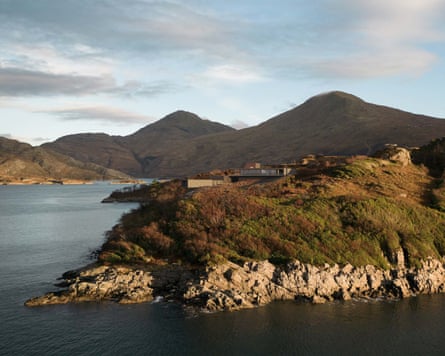
The couple, known for their deep appreciation of Scotland—McCartney spent many childhood holidays on the Kintyre peninsula, famously immortalised by her father Paul in the Wings song "Mull of Kintyre," and they married on the Isle of Bute in 2003—sought to build a residence that, in their view, was both architecturally sensitive and environmentally responsible. Their chosen location, a rocky outcrop approximately 30 metres above sea level, offers unparalleled vistas across Loch Ailort, but its very remoteness and natural grandeur made it a magnet for scrutiny. The proposed structure features a turf roof and natural stone walls, elements intended to help it blend into its surroundings.
Local residents and environmental groups voiced strong opposition, citing the property’s considerable size and contemporary aesthetic as potentially intrusive. One local councillor, Bill Lobban, notably described the initial design as "hideous," drawing a stark comparison to a "second world war concrete bunker," a reference to the site’s historical designation as Commando Rock, a training ground during World War II. The Gaelic name for the location, Creag na Speireig, meaning "crag of the sparrowhawk," further underlines its wild and untamed character, which opponents feared would be irrevocably altered by such a significant development.

Design Evolution and Environmental Concessions
In response to the widespread opposition and the rigorous scrutiny from planning authorities and environmental bodies, McCartney and Willis submitted amended plans. These revised proposals were presented as being "more environmentally sensitive and less visually intrusive" than the original, or indeed, than a previously approved design for the site that the couple inherited. This iterative process of design refinement is a common feature in high-profile developments within sensitive landscapes, reflecting a developer’s need to balance their vision with regulatory demands and community expectations.
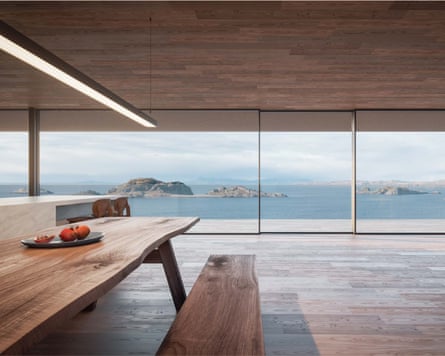
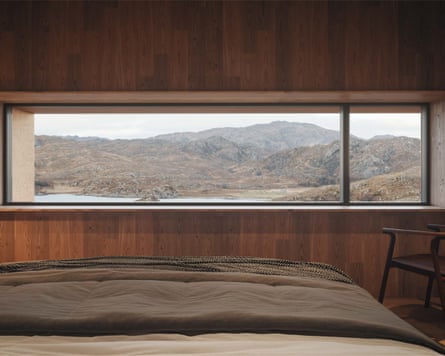
The architectural plans, conceived by Brown & Brown Architects, depict a dwelling that attempts to harmonise with the topography. The split-level structure is designed to follow the natural contours of the land, while the turf roof and natural stone cladding aim to minimise its visual prominence. A spokesperson for the couple emphasised that the house would be "sympathetically designed, using natural Scottish stone with a turfed roof, and will be secluded and barely visible due to the site’s contours, including views from the water." Councillor Lobban, while still expressing reservations about the modernist style, conceded that the revised "hideous design" was "less hideous" than the one previously granted permission, indicating a reluctant acceptance of the improvements made.
Beyond aesthetics, the amended plans included detailed provisions for environmental mitigation. These measures were crucial in swaying the Highland Council’s planning officers, who ultimately recommended approval. Key conditions included robust protection for local wildlife, the assurance of continued public access to the beach below the property, and specific measures to mitigate the effect of external lighting on the surrounding landscape, crucial for preserving the area’s dark skies and minimising disturbance to nocturnal species.
Safeguarding Scotland’s Wildlife: The Otter Controversy
At the heart of the planning dispute was the significant concern for the local otter population. Otters (Lutra lutra) are a European Protected Species, afforded stringent legal protection under the Conservation (Natural Habitats, &c.) Regulations 1994 and the Wildlife and Countryside Act 1981 in Scotland. This legal framework makes it an offence to intentionally or recklessly disturb, injure, or kill an otter, or to damage or destroy its breeding or resting place (holt). Multiple objections related specifically to the presence of otter holts—underground dens—around the proposed building site.
Wildlife experts and conservationists highlighted the potential for harm or disruption to these elusive animals and their cubs during construction. The initial plans lacked sufficient detail regarding otter protection, prompting calls for an exclusion zone to be established around any known holts. Such zones typically involve restricting human activity and machinery within a specified radius of an active holt, particularly during sensitive periods like breeding season.
NatureScot, Scotland’s nature agency, played a pivotal role in resolving this particular impasse. After Alasdhair Willis commissioned a comprehensive wildlife survey of the site, NatureScot indicated its willingness to license the plans. This licensing is a critical step for any development impacting a protected species, ensuring that any potential disturbance is minimised and legally permissible. NatureScot stipulated that surveillance cameras should be installed during the entire building process to continuously monitor for otters and their cubs, providing real-time data to ensure their safety and prevent any unforeseen impacts. This proactive monitoring requirement underscores the agency’s commitment to robust wildlife protection, setting a precedent for future developments in ecologically sensitive areas.
The recovery of the otter population in Scotland is a conservation success story, having rebounded significantly since declines in the mid-20th century due to pesticide use and habitat loss. The Highlands, with its clean waters and abundant fish, remains a stronghold for these charismatic semi-aquatic mammals, making their protection a high priority for environmental bodies and local communities alike.
The Historic Canvas: Moidart Peninsula’s Broader Significance
The Moidart peninsula is not merely a beautiful landscape; it is a tapestry woven with threads of history, culture, and natural heritage. The very rock upon which the McCartney-Willis home will stand, known as Commando Rock, evokes powerful memories of World War II, when it served as a vital training ground for elite special forces. This historical layer adds another dimension to the debate, as the landscape holds collective memory and cultural significance for many.
Furthermore, the area has long been a muse for artists and naturalists. The Victorian artist Jemima Blackburn, renowned for her intricate bird paintings, found deep inspiration in the Moidart landscape. Her work, capturing the local avifauna, speaks to the enduring appeal and ecological richness of the region. The Gaelic name, Creag na Speireig, or "crag of the sparrowhawk," is a testament to the area’s enduring wild character and its role as a habitat for diverse birdlife.
The Moidart peninsula, characterised by its dramatic sea lochs, ancient woodlands, and rugged coastline, is part of a wider network of ecologically important areas in the West Highlands. Developments in such locations are invariably subject to intense scrutiny, not just for their immediate impact but also for their potential to alter the character of a region prized for its wildness and tranquility. The balance between allowing controlled development and preserving the inherent qualities of such places is a constant challenge for planning authorities.
Community Voices and Official Responses
The planning process generated significant engagement from various stakeholders. Beyond the environmental groups, numerous local people voiced objections. A common concern, often heard in remote and scenic areas, was the fear that the development would primarily serve as a holiday home, potentially contributing to the erosion of community cohesion and the affordability of local housing. However, McCartney and Willis have firmly stated their intention to use the property as a permanent residence, addressing this concern directly.
In previous submissions, Alasdhair Willis articulated this commitment, stating: "This is not a speculative investment or holiday let. We want to live here full-time and be part of the community." This sentiment was reiterated by a spokesperson for the couple following the approval: "We are pleased that our planning application has been granted, subject to conditions, and are most grateful to officers and councillors for their support. Unlike many of the homes in the area, this is not a holiday home; it is a house that the family will live in, our forever home. We look forward to continuing to engage with the local community as we progress our development and when we move into our new home." This emphasis on integration and long-term residency aims to allay fears about absentee ownership and its potential socio-economic impacts.
The Highland Council’s decision reflects a careful balancing act, weighing the applicants’ right to develop their land against the public interest in preserving environmental integrity and landscape character. Council officials would have considered the National Planning Framework for Scotland, local development plans, and the outcomes of environmental impact assessments. Their recommendation for approval, conditional on robust mitigation measures, signifies their belief that the amended plans adequately address the most significant concerns.
Broader Implications and Future Outlook
The approval of Stella McCartney and Alasdhair Willis’s Highland home carries broader implications for future development in Scotland’s sensitive natural landscapes. It underscores the increasing importance of thorough environmental impact assessments and the necessity of proactive engagement with conservation bodies like NatureScot. The requirement for continuous monitoring of protected species during construction, as mandated for this project, could become a more common condition for similar developments, setting a higher bar for ecological stewardship.
The architectural debate surrounding the modernist design in a traditional Highland setting also highlights ongoing discussions within planning circles. While some advocate for designs that strictly adhere to local vernacular, others argue for the integration of high-quality contemporary architecture that responds sensitively to its context through material choice and form. The McCartney-Willis home, with its turf roof and natural stone, attempts to bridge this gap, aiming for a design that is both modern and rooted in the landscape. This approach reflects a growing trend towards sustainable architecture that minimises environmental footprint while embracing innovative design.
Economically, a £5 million construction project in a remote area like Moidart can bring significant benefits. It will generate employment for local tradespeople, suppliers, and service providers during the construction phase. Furthermore, the couple’s stated intention to make it their permanent residence suggests a long-term economic contribution to the local community, supporting local businesses and potentially attracting further investment in the area.
Ultimately, the resolution of this three-year planning saga represents a microcosm of the larger debate unfolding across Scotland: how to accommodate development and growth while fiercely protecting the nation’s unparalleled natural heritage. The McCartney-Willis project, now moving forward, serves as a significant case study in navigating this complex landscape, demonstrating that with careful planning, robust environmental mitigation, and a commitment to community engagement, even high-profile developments in sensitive areas can find a path to approval. The focus will now shift to the meticulous execution of the construction, ensuring that the promised environmental sensitivities are indeed upheld and that the "forever home" truly becomes a harmonious addition to the majestic Moidart peninsula.








